




What is Shinjuku like?
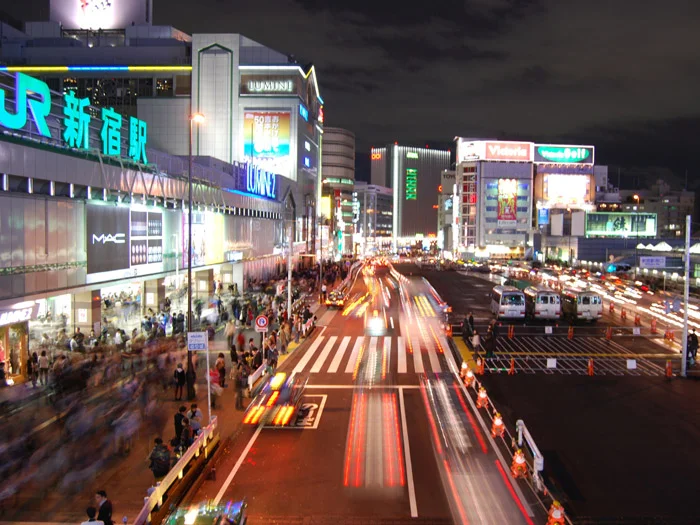
When people hear "Shinjuku," they often immediately picture the unique, high-energy atmosphere of Kabukicho, the world's most famous entertainment district.
Historically, the Shinjuku area flourished during the Edo period as "Naito Shinjuku," a post town on the Koshu Kaido road. Following the arrival of the railway and its resilience during the Great Kanto Earthquake due to its stable ground, the area developed into the hub it is today.
While Shinjuku Station is surrounded by massive commercial and entertainment districts, the area also offers lush green spaces like Shinjuku Gyoen National Garden, as well as historic neighborhoods where traditional streetscapes and local life continue to thrive.
Every year, local shrines hold festivals where portable shrines (mikoshi) are paraded through the streets, fostering a sense of community that connects long-time residents with those who have recently moved to the area.
- Shinjuku: A Megacity Where People from Around the World Converge
- Convenient Share Houses for Working, Studying, and Playing!
- Unparalleled Convenience: A Hub of Commerce, Offices, and Entertainment
- Enjoy Urban Energy and History Amidst the Skyscrapers
Shinjuku: A Megacity Where People from Around the World Converge
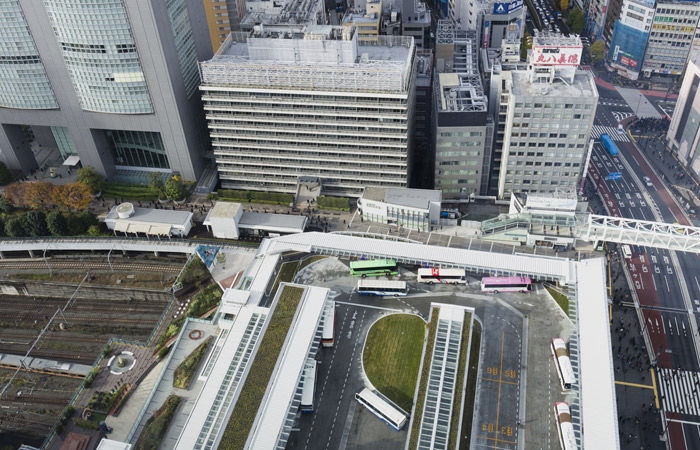
Shinjuku's origins lie in "Naito Shinjuku," established on the Koshu Kaido, one of the five major roads created shortly after the Edo Shogunate was founded.
Shinjuku Station serves as a massive terminal for numerous lines, including the JR Yamanote, Chuo, Saikyo, and Shonan-Shinjuku lines, as well as the Keio, Odakyu, Tokyo Metro Marunouchi, and Toei Oedo lines. Both the Keio and Odakyu lines originate here. As a historic transportation hub, Shinjuku Station is recognized by the Guinness World Records for its staggering number of daily passengers.
The area is also highly accessible by bus, with the "Busta Shinjuku" highway bus terminal directly connected to the station's New South Gate. Furthermore, the Shinjuku area is served by a dense network of major expressways and arterial roads, including the Shuto Expressway and National Route 20. This exceptional public transport infrastructure ensures stress-free travel to any destination.
A Vibrant Neighborhood with Unique Share Houses
As one of Tokyo's three major sub-centers alongside Shibuya and Ikebukuro, Shinjuku’s entertainment districts are active 24/7. However, once you step away from the immediate vicinity of Shinjuku or Okubo stations, you will find quiet, established residential neighborhoods.
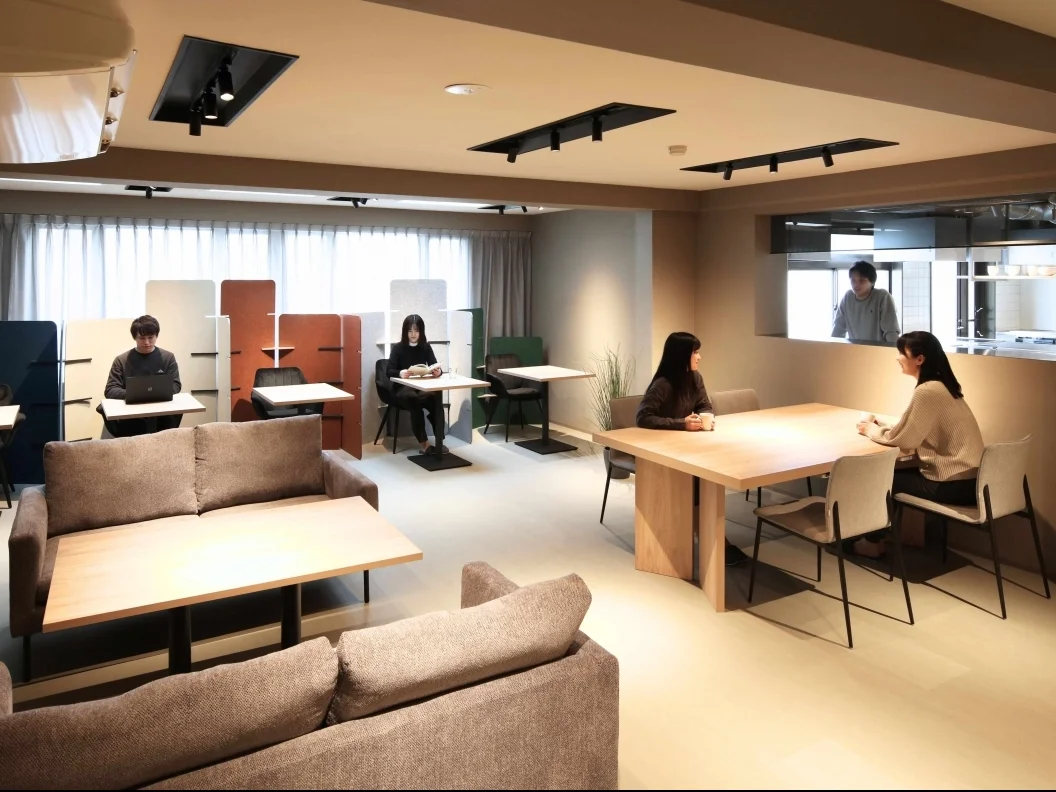
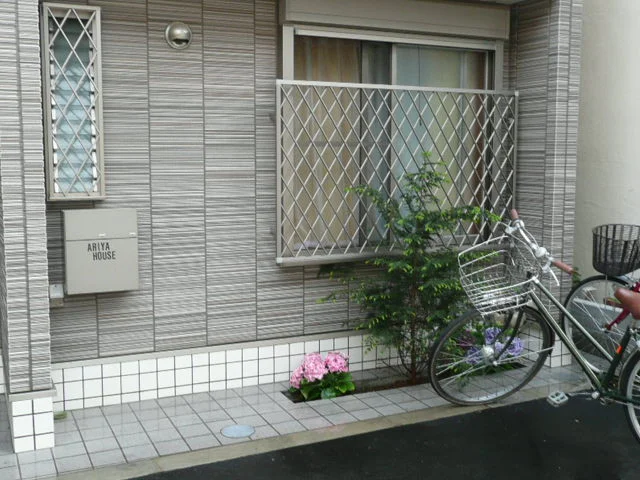
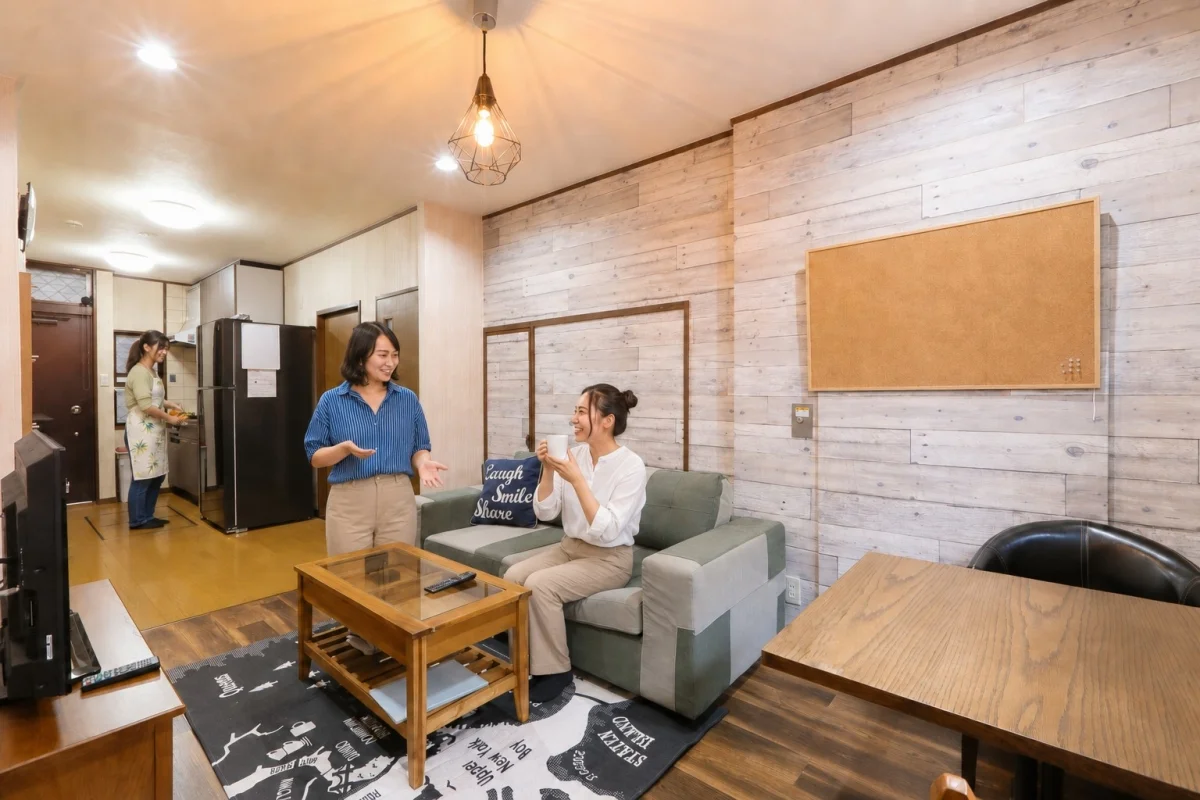
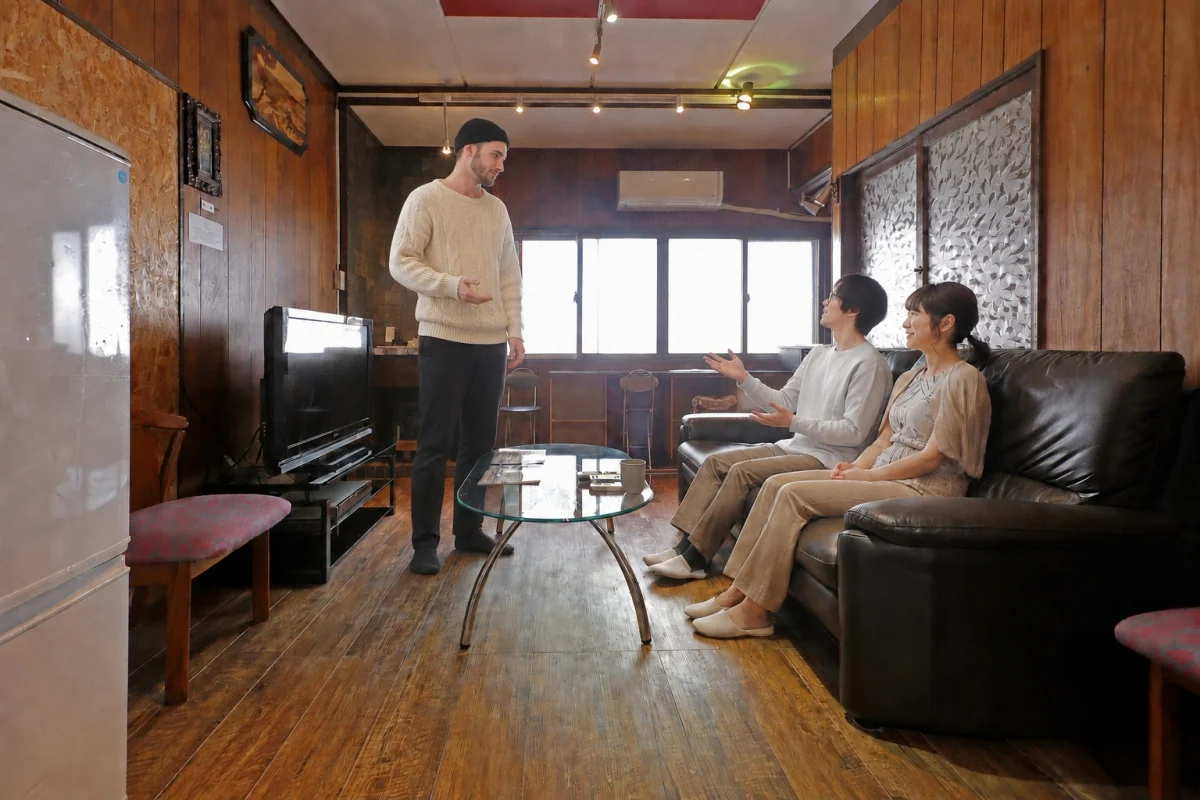
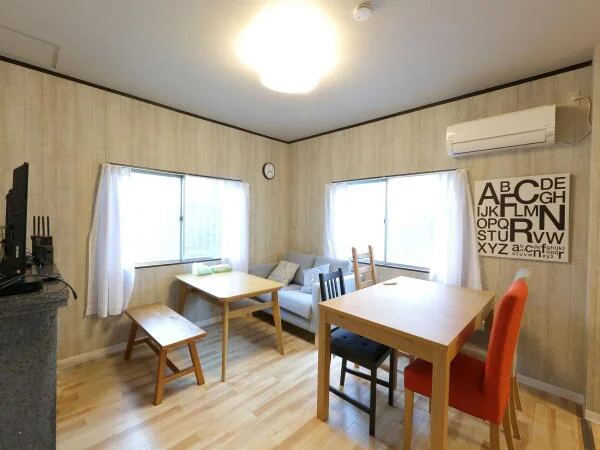
Share houses in Shinjuku are typically small-to-medium-sized, often renovated from private homes or apartments. Near Shinjuku Station, you can find stylish renovations of entire building floors or charming, retro houses. Around Takadanobaba and Waseda, there are many medium-sized properties converted from former student dormitories.
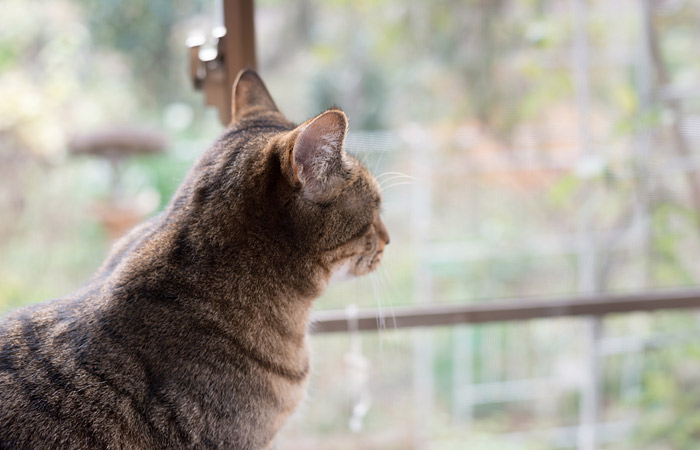
In the sophisticated Yotsuya area, you can find diverse concepts, including pet-friendly (cat) share houses, traditional Japanese-themed homes, and properties designed for SOHO or business networking.
In popular, quiet neighborhoods like Kagurazaka—known for its elegant French bistros and traditional Japanese restaurants—and Mejiro, you will find smaller, tucked-away share houses that offer a peaceful retreat.
Unparalleled Convenience: A Hub of Commerce, Offices, and Entertainment
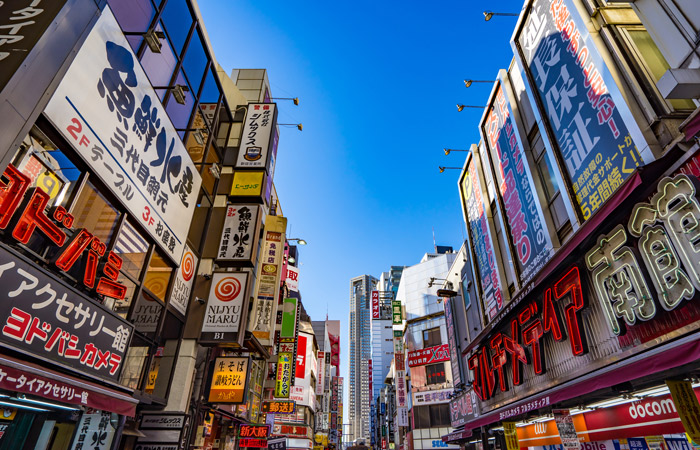
Shinjuku is a premier center of commerce and economy within Tokyo.
Its history dates back to the Edo period when Naito Kiyonari, a retainer to Tokugawa Ieyasu, was granted land in the area. His troop of musketeers was stationed in what is now the Hyakunincho neighborhood, a name that literally translates to "100-man town."
Because it has served as a vital transportation hub since the days of the Koshu Kaido post town, Shinjuku offers top-tier convenience. While the area around the station is bustling, those who prefer a quieter environment can find pockets of calm. Areas like Yotsuya-Araki-cho, a former geisha district, still retain an Edo-era atmosphere with unique, hidden dining spots. With so many people living here, daily shopping and errands are incredibly convenient.
Why not live in a Shinjuku share house and uncover the deep history hidden within this charming area?
Enjoy Urban Energy and History Amidst the Skyscrapers
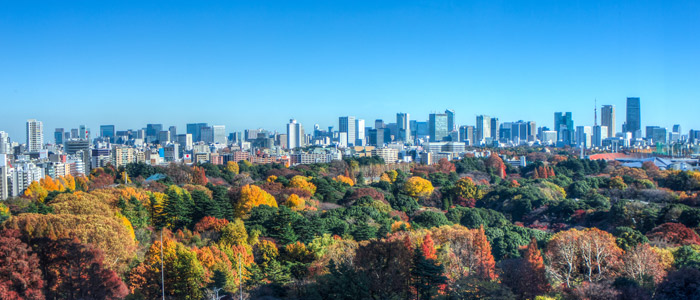
Shinjuku is located in the west-central part of Tokyo's 23 wards, sitting on the border between the Musashino Plateau and the Edo lowlands. Because it sits on the plateau, it suffered minimal damage during the Great Kanto Earthquake, leading to a rapid population surge and commercial development.
Shinjuku is also a place that preserves its history through its unique town names, such as Naito-machi (named after the Naito family estate) and others like Yarai-cho and Waseda-Tsurumaki-cho, which reflect the area's rich past.
Beyond the modern skyscrapers of the West Exit, Shinjuku is a rare area where you can truly feel the unique atmosphere of the city's history. Living in a convenient Shinjuku share house allows you to enjoy a graceful lifestyle—strolling through parks like Shinjuku Gyoen on your days off and fully savoring the charm of the city.
Share houses in Shinjuku