







What is Kamata like?
Kamata is located in Ota Ward, in the southeastern part of Tokyo.
Historically known as "Kamata-go," this area was once a "city of cinema," home to film studios where movie stars would walk the streets. It was even considered a hub for the latest trends.
After the studios relocated, the area became known for its small factories. While their numbers have decreased in recent years, they can still be found scattered throughout the residential neighborhoods.
Kamata is a popular area for business professionals due to its excellent accessibility, yet it remains a convenient and comfortable place to live, thanks to its vibrant and charming local shopping streets.
- Kamata: A convenient hub with easy access to Haneda Airport
- Experience unique, character-filled share houses in a neighborhood with heart
- Enjoy a fulfilling lifestyle with the perfect balance of convenience and comfort
- Enjoy the blend of timeless warmth and urban transformation from your share house
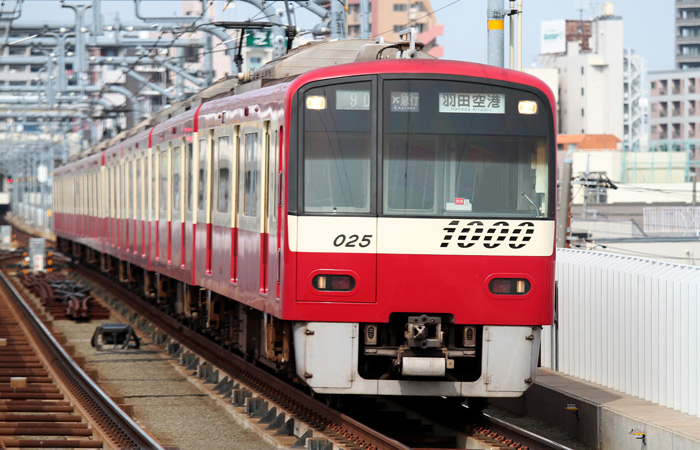
Kamata: A convenient hub with easy access to Haneda Airport
Kamata has a long history of human habitation, with archaeological sites such as pit dwellings and burial mounds discovered in the area.
Though little remains today, the area was once home to a famous iris garden from the Meiji to Taisho periods. It was a popular destination for visitors from afar, bustling with shops and seasonal flowers.
The Keikyu line station opened in 1901, followed by the current JR Tokaido Main Line station in 1904, which some say was built specifically to cater to the crowds visiting the iris garden.
Today, Kamata Station serves the JR Keihin-Tohoku Line (Tokaido Main Line) and is the terminal for the Tokyu Ikegami and Tamagawa lines. By JR, you can reach Shinagawa in about 10 minutes, Tokyo Station in about 23 minutes, and Yokohama in about 17 minutes. The Keikyu Kamata Station is located about a 10-minute walk east of the JR/Tokyu station. It serves the Keikyu Main Line and is the terminal for the Airport Line, providing exceptional access to Haneda Airport.
Due to this connectivity, there is high demand for business hotels, and many are clustered around the station.
The ability to travel easily to various destinations is the greatest strength of the Kamata area.
Experience unique, character-filled share houses in a neighborhood with heart
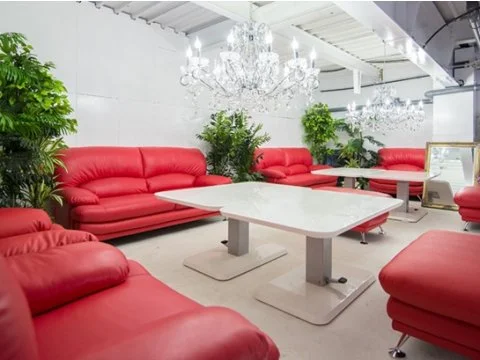
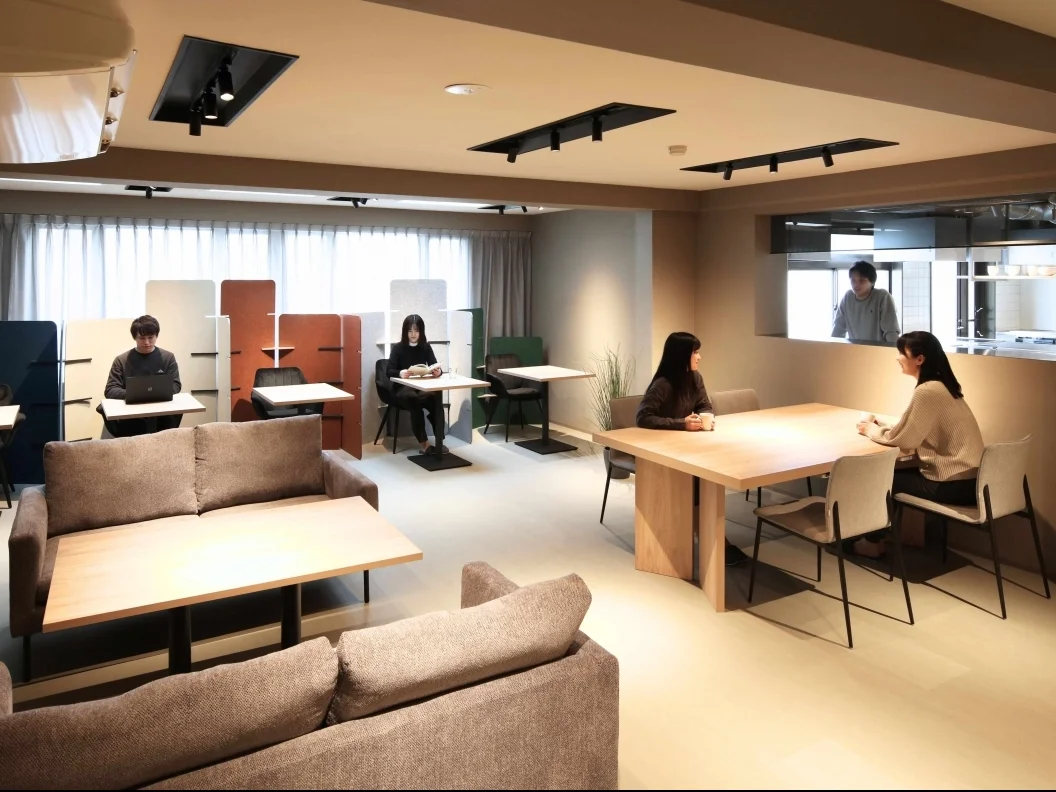
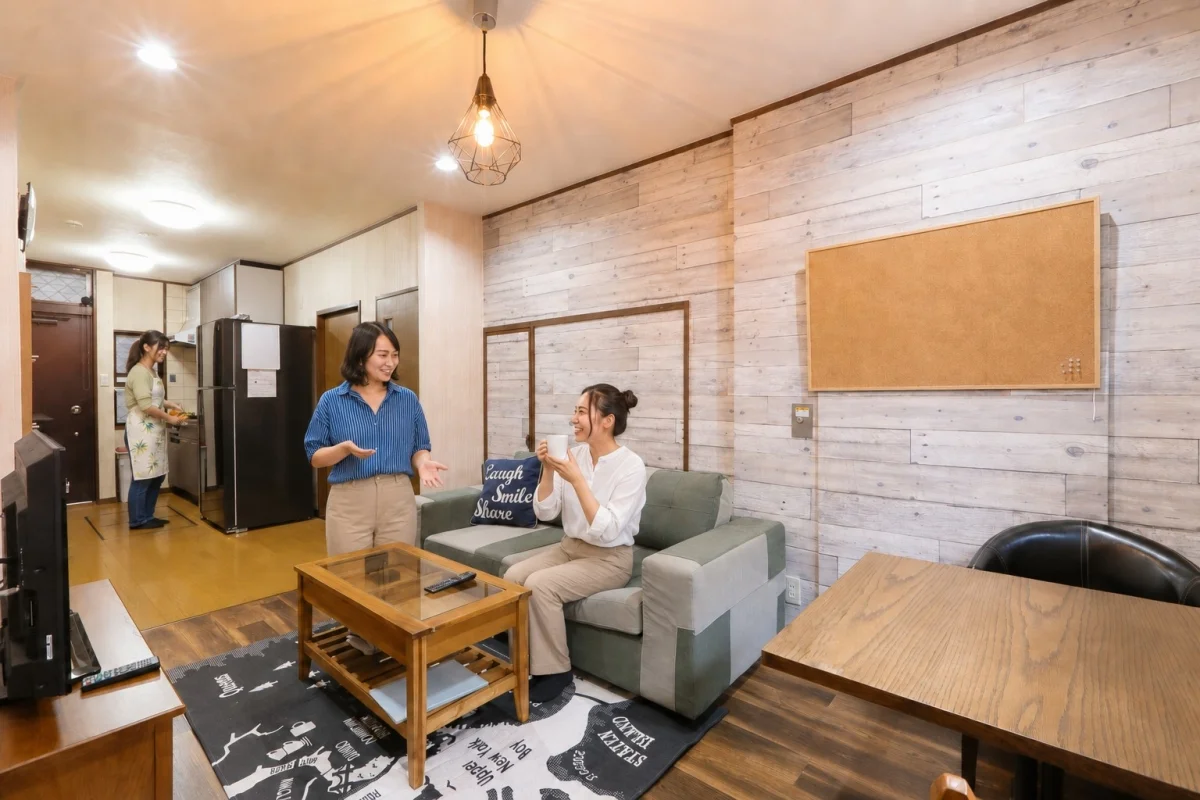
Most share houses in the Kamata area are small-to-medium-sized properties renovated from former corporate dormitories or offices, or smaller homes converted into shared living spaces.
Every property is well-maintained, with many featuring designer concepts that emphasize lighting and furniture, or retro aesthetics that incorporate traditional tatami rooms. Many renovated houses also include bathtubs, perfect for refreshing your body after a long day.
Before the iris garden became famous in the Meiji era, Kamata was known during the Edo period as a famous spot for plum blossoms, famously depicted by Utagawa Hiroshige. It was even called the "Plum Village," and pickled plums made from the local harvest were a popular specialty.
Even after the iris garden was established, Kamata remained a quiet, isolated station until the Shochiku Kamata Film Studio changed everything. When the studio opened in 1920, the area around the station flourished, leading to the development of shopping streets that laid the foundation for the town's growth today.
Enjoy a fulfilling lifestyle with the perfect balance of convenience and comfort
Located in southeastern Tokyo, Kamata borders Kawasaki, Kanagawa Prefecture, across the Tama River. In ancient times, this area was submerged under the sea, and along with plums, cultivated seaweed was once a well-known local specialty.
Although the area was devastated by air raids during World War II, it rebuilt itself with small factories, developing world-class craftsmanship and technology.
The shopping streets around Kamata Station, which have their roots in post-war black markets, feature arcades on both the east and west sides, making shopping easy even on rainy days. Most of these are independent shops where owners often chat with customers, making it easy to become a regular. This natural human connection is a wonderful perk you won't find in large supermarkets. You can also enjoy a nostalgic, "shitamachi" (downtown) atmosphere with retro izakayas and eateries lining the streets.
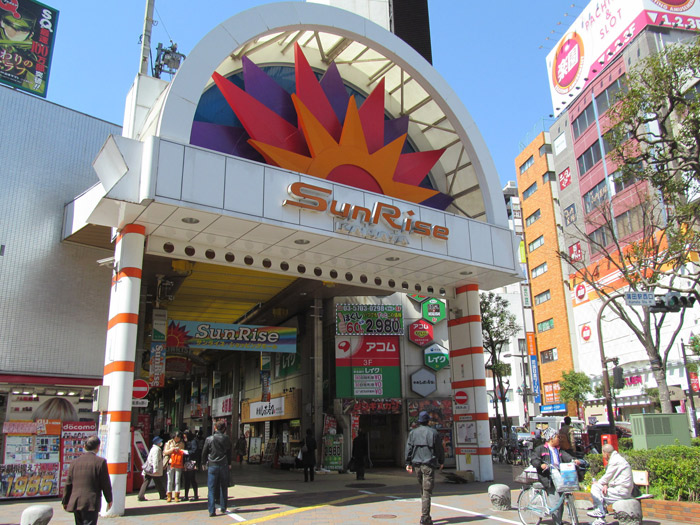
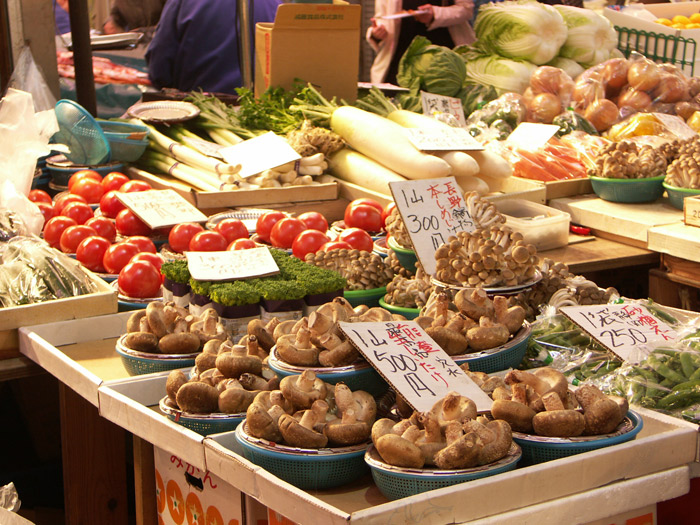
Amidst this, there are plenty of shops and commercial facilities catering to younger generations, meeting the needs of all ages.
While there have been discussions about connecting the JR/Tokyu Kamata Station and the Keikyu Kamata Station to improve convenience, progress on these plans has unfortunately been slow.
With direct bus routes to Haneda in addition to the Keikyu Airport Line, the Kamata area is a magnet for business professionals. Why not start your Tokyo life by experiencing it from a share house?
Enjoy the blend of timeless warmth and urban transformation from your share house
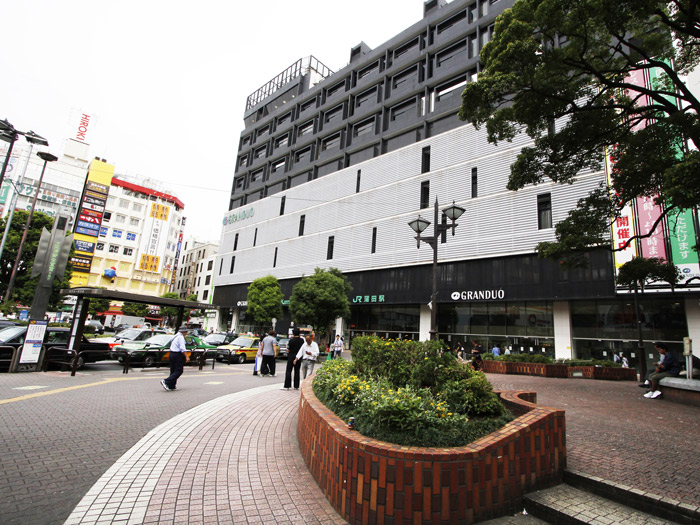
Back when the film studios were in Kamata, many silver-screen stars lived in the area. The shopping streets were modernized to match, and at its peak, the area was packed with people hoping to catch a glimpse of their favorite stars.
Today, the numerous business hotels around the station reflect the high demand for business travel. Meanwhile, many of the independent shops in the shopping streets have survived since the post-war era, offering a charming, retro downtown atmosphere. The cost of living in the area is reasonable, making it a great place for both those who cook at home and those who prefer dining out.
The area is currently undergoing redevelopment, including projects around the station and the elevation of the Keikyu line. Kamata now possesses two faces: the good old days and the evolving modern city. The community is dedicated to urban planning that meets the needs of its residents, ensuring the shopping streets remain vibrant.
Living in a Kamata share house allows you to wrap yourself in the atmosphere of the Showa era while feeling the enduring, authentic spirit of the neighborhood amidst the bustle of city life.
Share houses in Kamata