






What is Omiya like?
Omiya is an area with a rich history, once thriving as a post town on the Nakasendo trail and home to the Hikawa Shrine, from which it takes its name. Following the arrival of the railway, it became famous as a "railway town" due to the many related industrial facilities established there.
Omiya Station serves as a major railway hub, boasting exceptional convenience with numerous lines heading both north and toward central Tokyo. As the economic and commercial center of Saitama Prefecture, the area has undergone significant redevelopment in recent years, featuring modern public facilities and offices, making it an ideal environment for both working and living.
It is an excellent area for those seeking a balance between work and home, offering more than just a commute to the city center.
- A city that grew as a railway hub, offering outstanding convenience with its dense network of lines!
- Keep your living costs low in this high-rent area by choosing a share house!
- From renovated traditional homes to purpose-built share houses!
- An area where you can find share houses with a rich living environment in every aspect!
A city that grew as a railway hub, offering outstanding convenience with its dense network of lines!
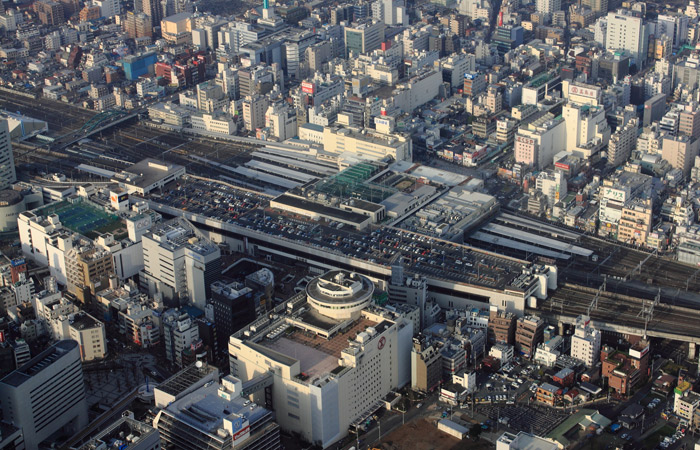
The area around Omiya Station is the commercial and economic core of Saitama Prefecture.
Omiya Station is a major terminal served by the JR Saikyo Line, Shonan-Shinjuku Line, Keihin-Tohoku Line, Musashino Line, Kawagoe Line, and Utsunomiya Line, as well as Shinkansen lines heading north, including the Akita, Joetsu, and Tohoku Shinkansen. You can reach Tokyo Station in about 30 minutes via the Ueno-Tokyo Line, or Shinjuku in about 30 minutes using the Saikyo Line rapid service. It also serves as a terminal for the Tobu Urban Park Line and the Saitama New Urban Transit (New Shuttle). An extensive network of local buses further enhances connectivity to nearby areas like Ageo, Kasukabe, and Tokorozawa, as well as local hospitals, residential complexes, and shopping malls. Direct airport limousine buses to Haneda and Narita airports are also available, making travel and business trips a breeze.
The commercial district is vast and highly convenient for daily life. If you consider properties near Omiya-Koen or Nishi-Omiya stations, your options for finding the perfect home expand even further!
Keep your living costs low in this high-rent area by choosing a share house!
The Omiya area is a premier commercial hub in Saitama.
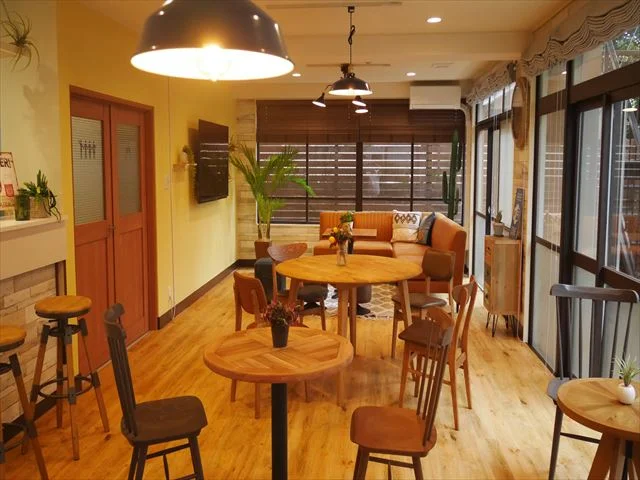
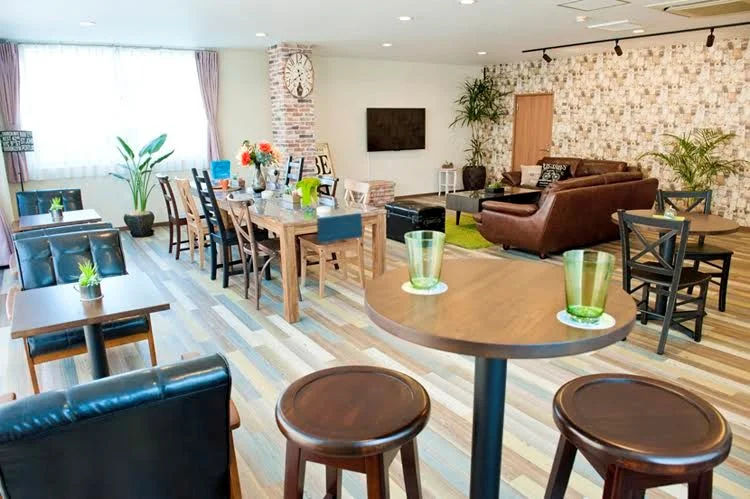
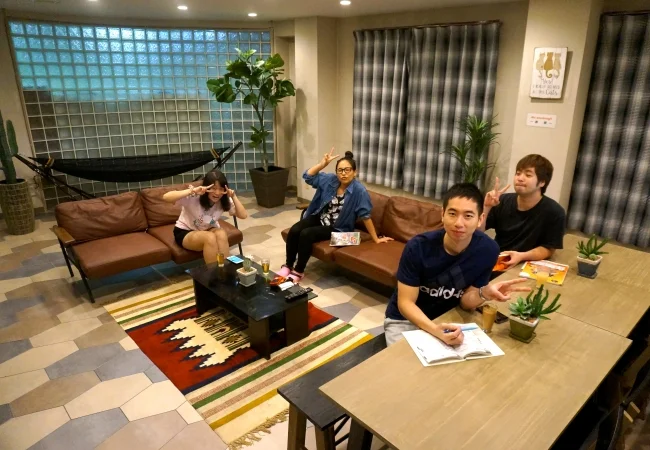
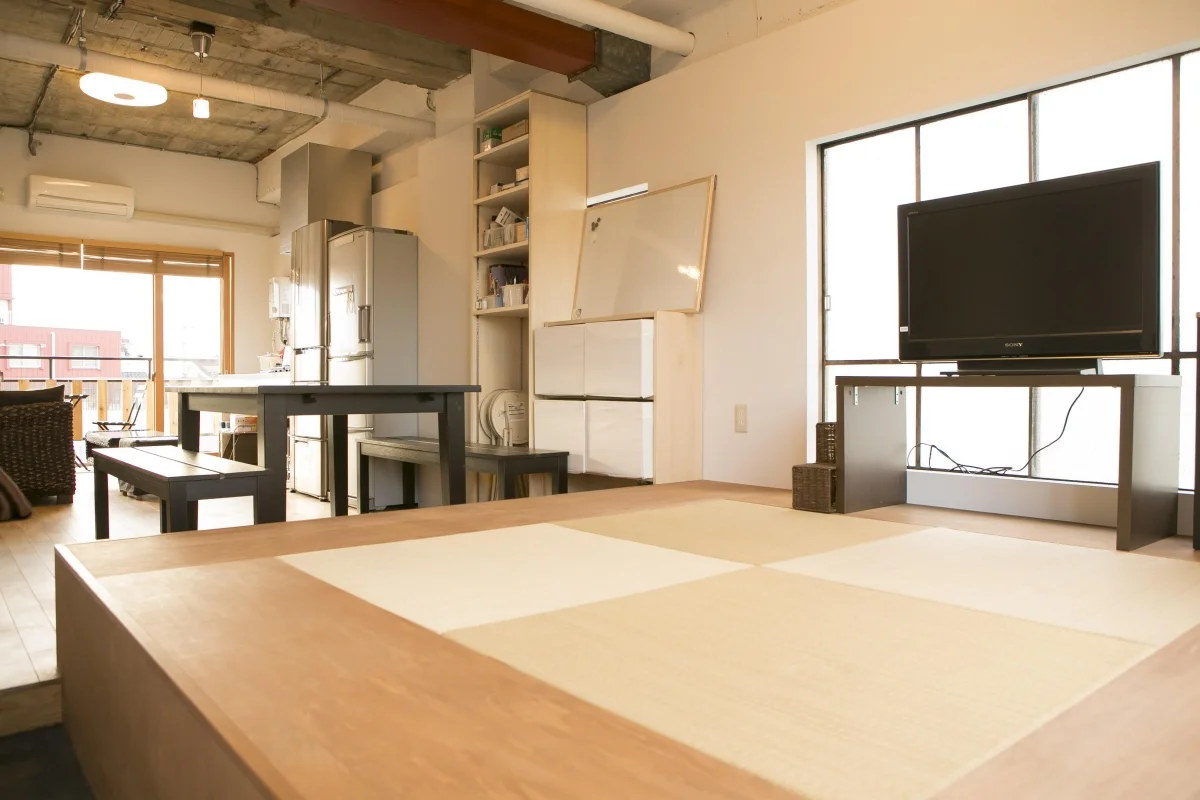
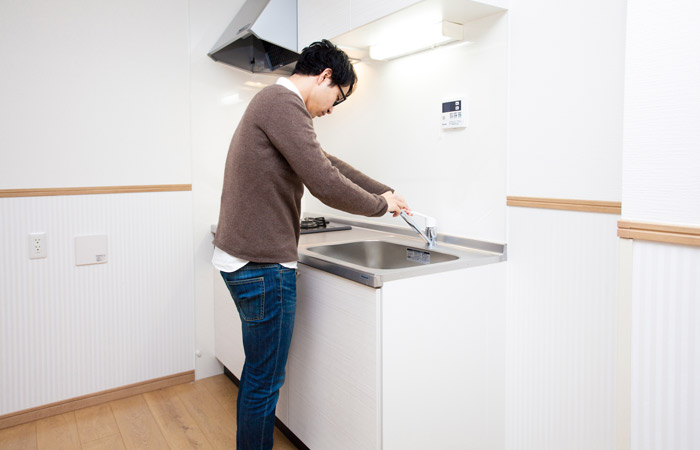
Share houses in Omiya range from small-scale renovations of traditional houses to medium-sized apartment conversions. Some properties offer a "studio apartment" style within a share house setting, where each room is equipped with its own shower, though these may lack the communal living rooms typically found in traditional share houses.
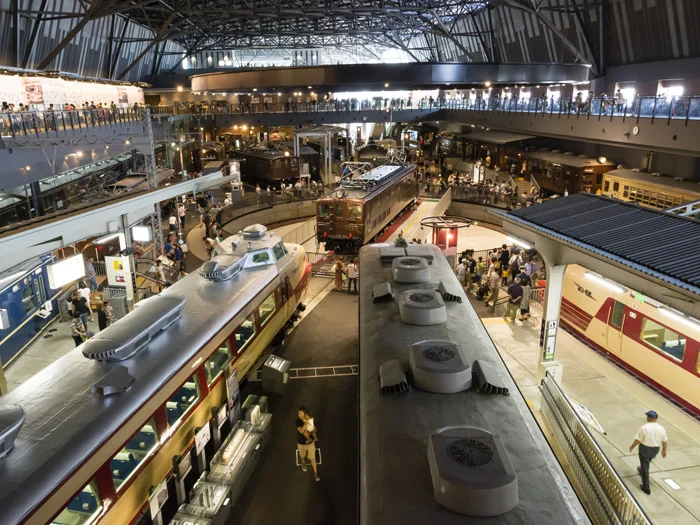
Around Omiya Station, you will find department stores, commercial facilities, banks, and cultural attractions like the Railway Museum. Most daily needs can be met within the area, and it remains highly convenient for trips into central Tokyo. While there are some designer share houses built specifically for that purpose, they are limited in number, so it is recommended to check our website regularly if you are interested.
Because the living environment is so well-developed, rents in Omiya tend to be higher than in other parts of Saitama, but choosing a share house makes this much less of a concern.
The cost of living is quite reasonable compared to central Tokyo, making it a very comfortable place to live!
From renovated traditional homes to purpose-built share houses!
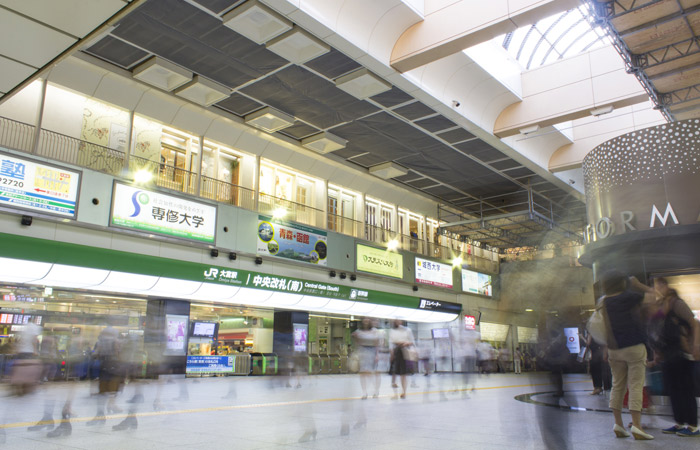
Omiya Station was established as a junction when the current Tohoku Main Line was constructed. Following the development of railway-related factories, the area flourished as a "railway town."
The greatest appeal of the Omiya area is the convenience of Omiya Station, which serves over ten different lines. You can access major terminal stations like Tokyo, Shinagawa, Shinjuku, Shibuya, and Ikebukuro without needing to transfer.
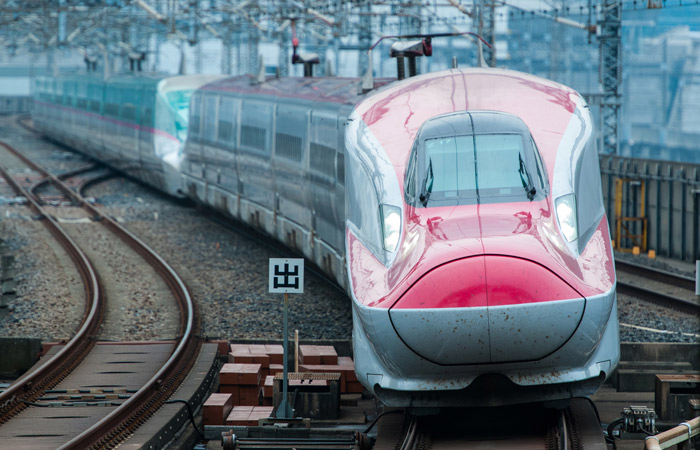
With the opening of the Ueno-Tokyo Line, you can reach Tokyo or Shinjuku in about 30 minutes and Shinagawa in about 40 minutes. The fact that Shinkansen lines stop at Omiya is also a huge advantage, especially for those who travel frequently for work. As a large-scale terminal, the station itself is packed with facilities and shops that stay open late, which is very convenient if you are returning home late at night. While the area around the station has a somewhat modern, urban feel due to redevelopment, it is incredibly attractive when you consider the balance of convenience and cost-performance.
Start by enjoying a stress-free life in an Omiya share house!

An area where you can find share houses with a rich living environment in every aspect!
Omiya is located in the southern part of Saitama City. During the Edo period, it prospered as Omiya-juku on the Nakasendo trail and was known as a temple town for the Hikawa Shrine, from which the name "Omiya" (meaning "Great Shrine") is derived.
Although close to Edo, Omiya-juku was a large and bustling post town, comparable to others like Warabi-juku and Fukaya-juku.
From the mid-Meiji period, the area developed as a railway junction. Even after the original factories disappeared, the relocation of the Railway Museum to the area—complete with its own station—serves as a reminder of its deep-rooted history.
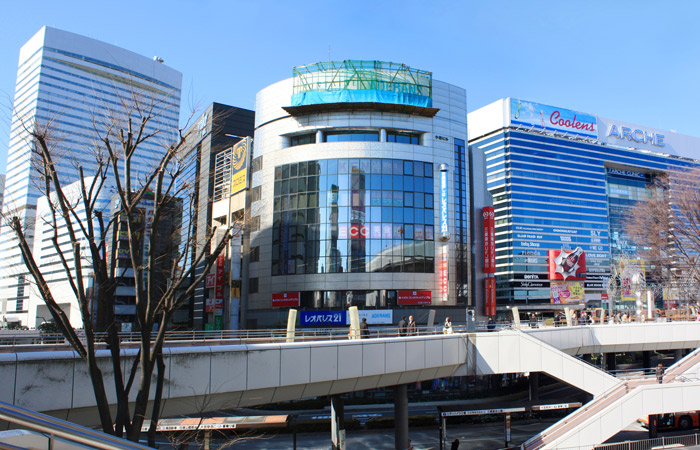
The west side of the station was redeveloped early on, featuring Omiya Sonic City—a large complex connected to the station by a pedestrian deck that houses offices, a hotel, a passport center, a multi-purpose hall, a library, and a community center. In contrast, the east side retains a traditional shopping street atmosphere and a lush, 2km-long approach leading to the Hikawa Shrine.
For those who enjoy the contrast between a modern, urban landscape and a nostalgic, retro vibe, this is the perfect location.
Why not experience the convenience, cost-effectiveness, and great living environment of this city by moving into a share house?
Share houses in Omiya