
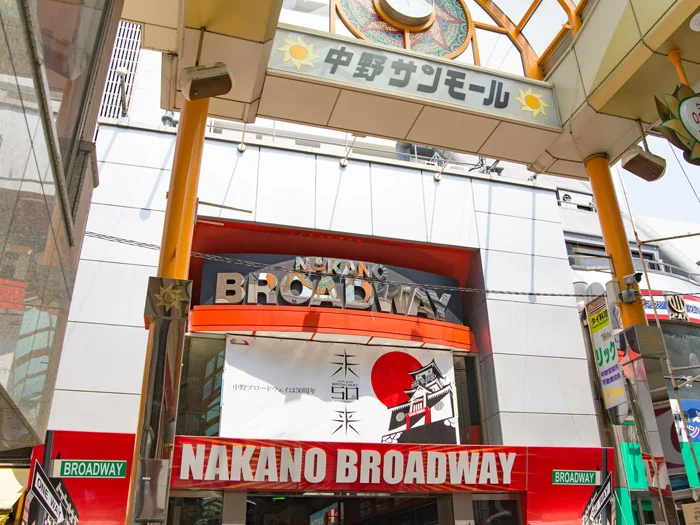
What is Nakano like?
Located in the western part of Tokyo's 23 wards, Nakano boasts exceptional convenience, sitting just one stop from Shinjuku on the Chuo Line.
The area is a deep, character-filled spot known for its unique cafes and bars. It is also home to Nakano Broadway, a hub for subculture that adds an even deeper layer to the neighborhood's identity.
While you won't find large department stores, the area around the station is filled with vibrant shopping streets packed with unique independent shops. With large-scale redevelopment projects underway on the north side—including the iconic Nakano Sunplaza—Nakano is a city where the new and the old coexist like a mosaic.
- Nakano: The area that shines with the convenience of being just one stop from Shinjuku
- Many share houses that preserve and embrace a retro atmosphere!
- A highly convenient town near Shinjuku, served by the Seibu Shinjuku Line to the north and the Marunouchi Line to the south!
- Enjoy the retro charm that shines through the stylish atmosphere from your share house!
Nakano: The area that shines with the convenience of being just one stop from Shinjuku
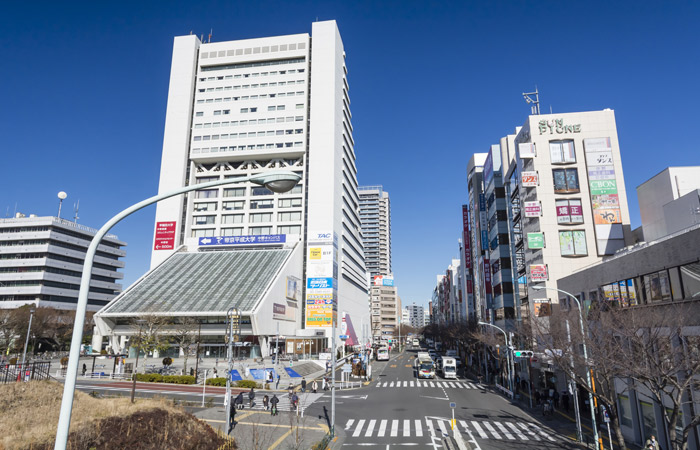
Nakano is located in the western part of Tokyo's 23 wards.
Nakano Station is served by the JR Chuo Line Rapid, the Chuo-Sobu Line, and the Tokyo Metro Tozai Line, with the latter originating and terminating at Nakano. It takes just 5 minutes to reach Shinjuku via the Chuo Line Rapid. You can reach Tokyo Station in about 20 minutes and Kichijoji in about 10 minutes. Since many Tozai Line and Chuo-Sobu Line trains originate at Nakano, you can often get a seat if you prefer a more relaxed commute away from the crowds.
There are bus terminals in front of Nakano Sunplaza at the North Exit and at the South Exit, offering numerous bus routes. Because the Seibu Shinjuku Line runs to the north and the Tokyo Metro Marunouchi Line runs to the south, many bus routes connect these areas. There are also buses heading to Shinjuku, Shibuya, Eifukucho, and Kichijoji, further enhancing the area's accessibility.
Additionally, Shin-Nakano Station on the Marunouchi Line and Araiyakushi-mae Station on the Seibu Shinjuku Line are within walking distance, making it easy to utilize two different stations if you live in between.
In terms of access, it is a stress-free area with nothing left to be desired.
Many share houses that preserve and embrace a retro atmosphere!
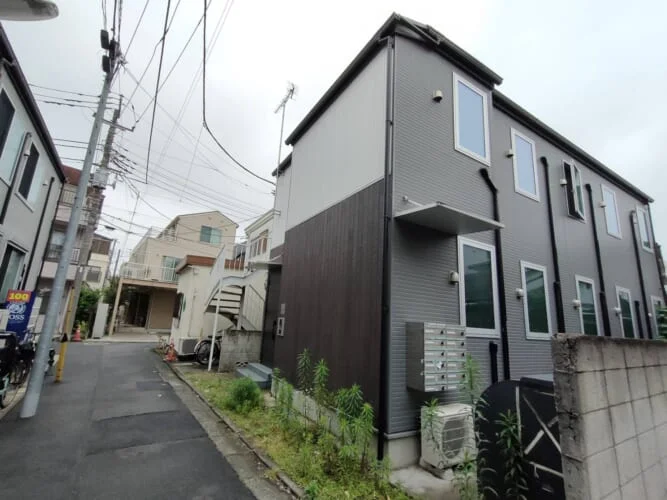
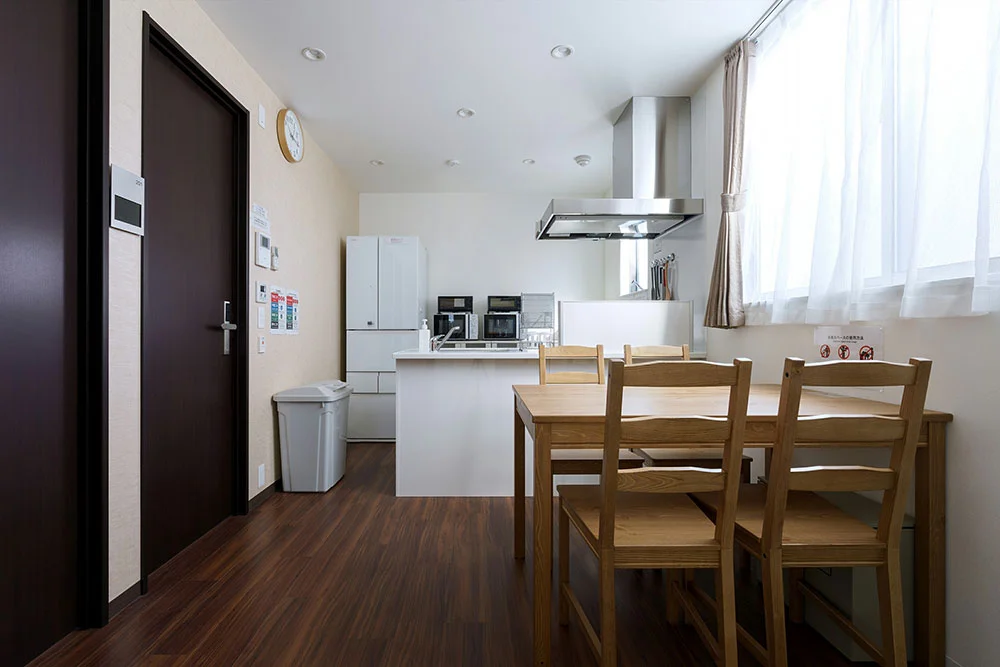
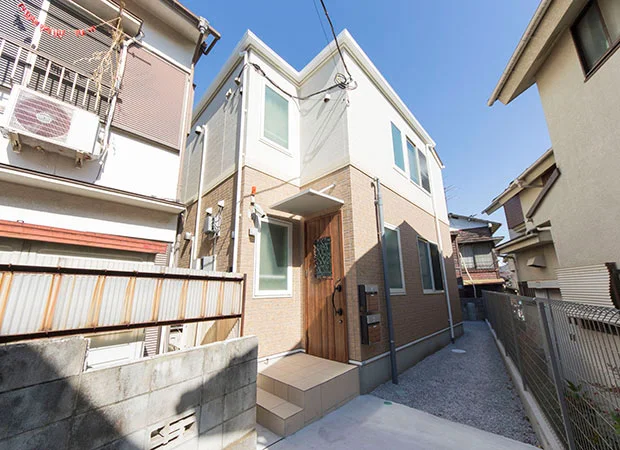
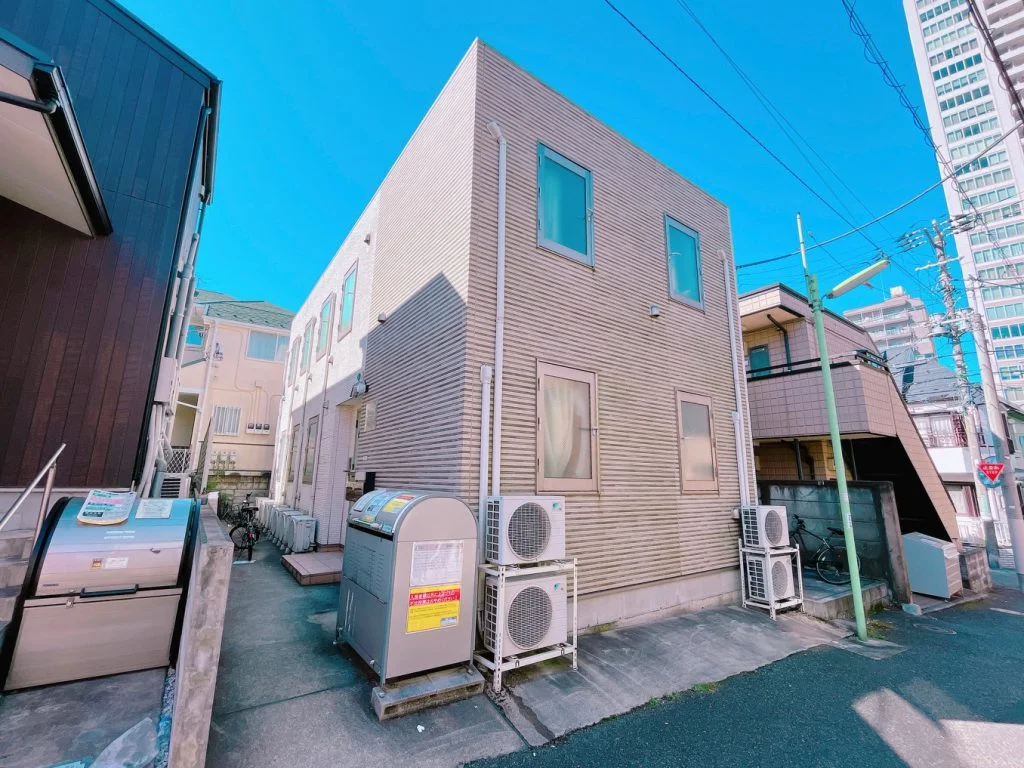
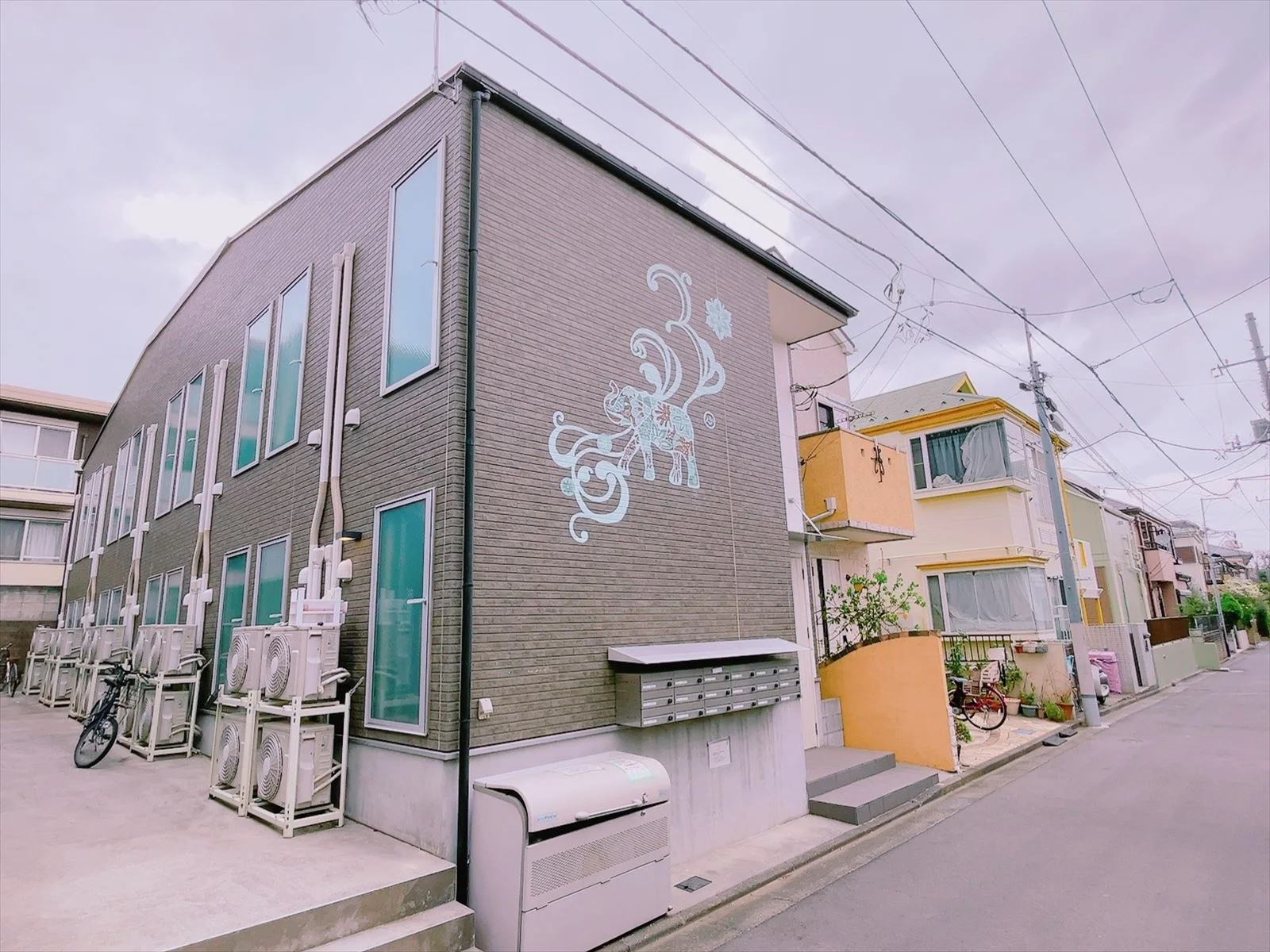
Most share houses in the Nakano area are small-scale, renovated from private homes, apartments, or residences; there are very few medium-to-large scale properties.
Even though the area around the station is bustling, Nakano has always been a place where residential streets spread out just a short walk away. This remains true today, which means there are many buildings with a retro feel. Many share houses have been renovated to be comfortable while retaining the "Showa-era" charm, such as tasteful gates, beautifully maintained gardens, traditional verandas (engawa), and transom windows (ranma). Even if the buildings are older, the plumbing and facilities have been modernized, so there is no inconvenience in daily life.
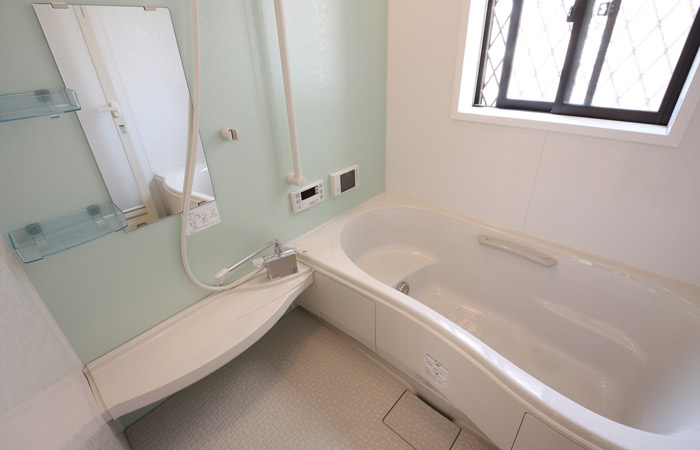
Furthermore, these properties often feature full bathrooms in addition to shower rooms—a welcome bonus for those who like to soak in a tub to relieve their fatigue.
A highly convenient town near Shinjuku, served by the Seibu Shinjuku Line to the north and the Marunouchi Line to the south!
When Nakano Station first opened, it was located about 100 meters west of its current position, and the surrounding area was a quiet place with nothing but Musashino woodlands and a few small fields.
After the Great Kanto Earthquake, the population of the Nakano area surged due to an influx of residents from downtown Tokyo. Shops began to appear around the station, and after the war, it grew rapidly as a commuter town for the city center. The site of the former Nakano School (a military academy) north of the original station location has been redeveloped into what is now Nakano Central Park.
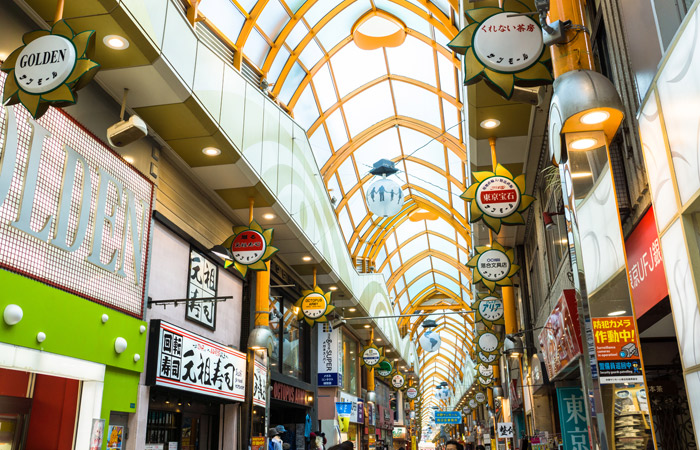
When people think of Nakano, many think of Nakano Broadway, but the Nakano Sunmall shopping arcade leading up to it, as well as the South Exit arcade, are also bustling with various shops. The streets around the station are lined with delicious restaurants, and there is a special joy in exploring the independent shops. As it is a densely populated area, daily shopping is incredibly convenient.
While there are no large department stores or station malls, you can easily head to Shinjuku or Kichijoji for anything you might need, which is never a burden.
It might not be the place for those seeking high-end luxury, but why not start your Nakano life in a share house, where you can enjoy friendly interactions with local shopkeepers and residents, and take advantage of the many great spots to explore?
A town where you can find many share houses that reflect the lovable atmosphere of Nakano!
Nakano Station opened in 1889 as the "Nakano Teishajo" when the Koshu Railway (the predecessor to the Chuo Line) began service between Shinjuku and Tachikawa. When the station was moved to its current location, Nakano-dori Avenue was excavated, allowing for north-south traffic without the need for railroad crossings.
The area around the station, which long consisted of only a few shops, gradually grew. In 1966, with the opening of the Tozai Line, Nakano Broadway—now a mecca for subculture—also opened its doors.
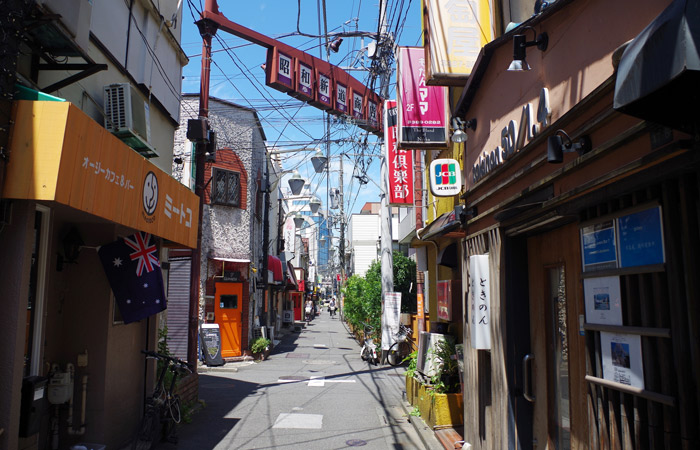
The arcades around the station, the narrow alleys connected to them, and the fascinating restaurants lining those streets are a must-see.
Additionally, Shin-Nakano Station on the Marunouchi Line is only about 1km away from Nakano Station, and while Araiyakushi-mae Station on the Seibu Shinjuku Line is a bit further, living in between makes it easy to use two different stations.
While the front of the station features large, well-maintained spaces following redevelopment, one step into the backstreets reveals narrow alleys and independent shops, creating a retro atmosphere. It is a town with two distinct faces.
Many share houses here blend into the local vibe, allowing you to interact with residents and enjoy the area. It is a truly interesting place for walking and exploring.
Why not experience the atmosphere of Nakano for yourself from a share house?