


What is Hachioji like?
Hachioji is a representative area located in the Tama region of western Tokyo.
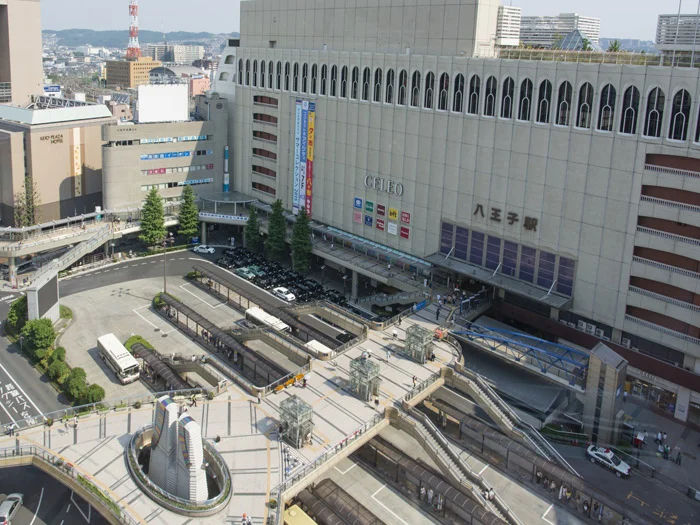
JR Hachioji Station is a major terminal served by multiple lines, while Keio-Hachioji Station (Keio Corporation) is located to the northeast. The area between these two stations is lined with numerous restaurants and shops, forming a bustling downtown district. Just to the north runs the Koshu Kaido (National Route 20), an important historical highway. The city’s development as a vital transportation hub—where routes like the Kawagoe, Nikko, Kamakura, and Odawara highways once intersected—is still evident today.
Although somewhat distant from the city center, the area around the station is well-equipped with department stores, hotels, and large commercial facilities, making it a convenient place to live.
- Hachioji: A city that has flourished as a key transportation hub since ancient times
- A "Gakuen Toshi" (Academic City) with studio-style share houses!
- A cost-effective city with excellent commercial facilities near the station and main roads!
- A city where you can easily enjoy nature while living in Tokyo!
Hachioji: A city that has flourished as a key transportation hub since ancient times
Hachioji is an area with a long history, with evidence of human habitation dating back to prehistoric times.
During the Sengoku period, it was ruled by the Hojo clan. After the fall of Odawara Castle, it came under the direct control of the Shogunate and flourished as Hachioji-juku, the largest post town on the vital Koshu Kaido highway.
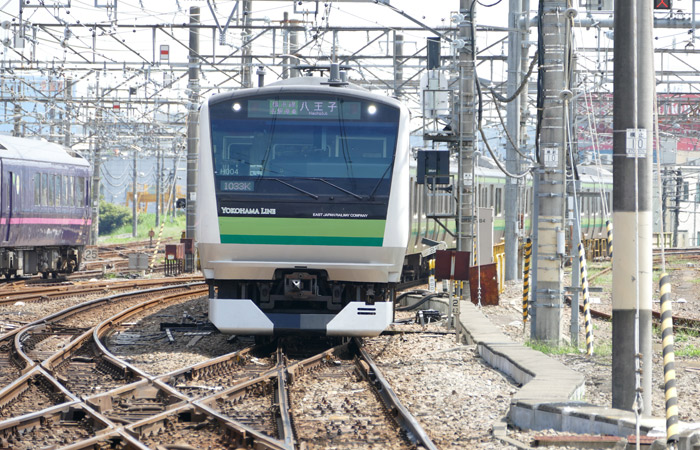
Today, JR Hachioji Station is a major terminal served by the Chuo Line, the Yokohama Line (connecting to the Keihin-Tohoku Line), the Sagami Line, and the Hachiko Line. The Yokohama and Hachiko lines both use Hachioji as a terminal. About five minutes northeast of the JR station is Keio-Hachioji Station, which also provides access to Shinjuku, though it follows a route further south through Kanagawa Prefecture and near the Tama River. The area is also well-served by buses, with terminals at the north and south exits connecting to residential complexes, universities, industrial parks, and hospitals. Airport limousine buses to Haneda and Narita are also available, further enhancing convenience.
Using the Chuo Line Special Rapid, you can reach Shinjuku Station in about 40 minutes without transfers, making it a highly accessible area for those commuting to the city center.
A "Gakuen Toshi" (Academic City) with studio-style share houses!
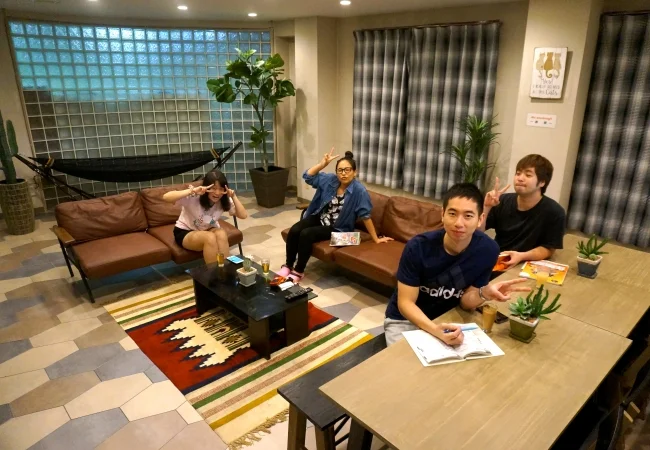
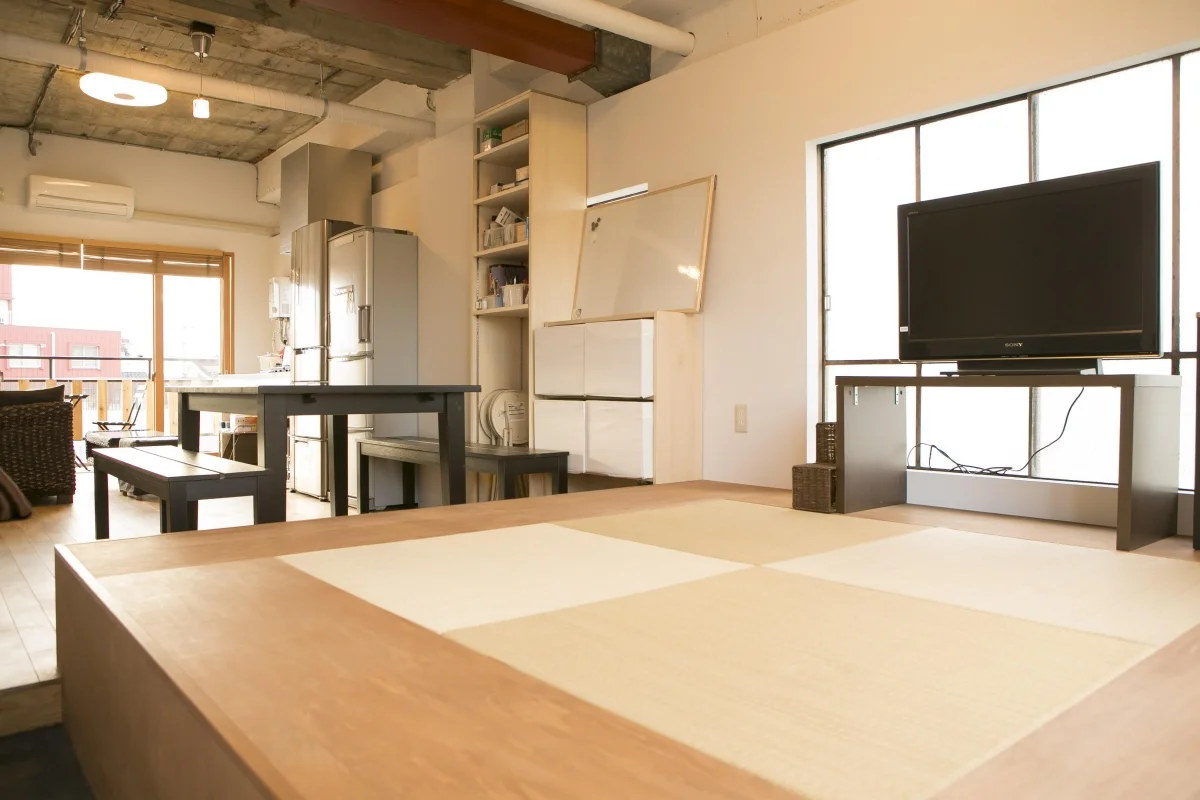
Share houses in the Hachioji area range from large-scale properties converted from dormitories to smaller, more intimate ones renovated from private homes.
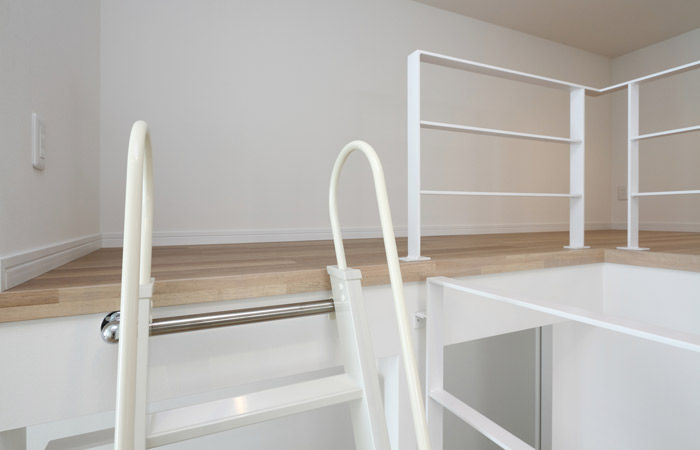
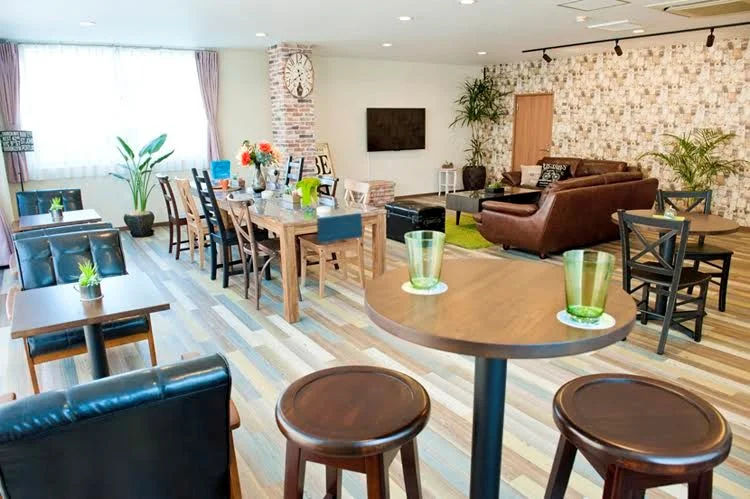
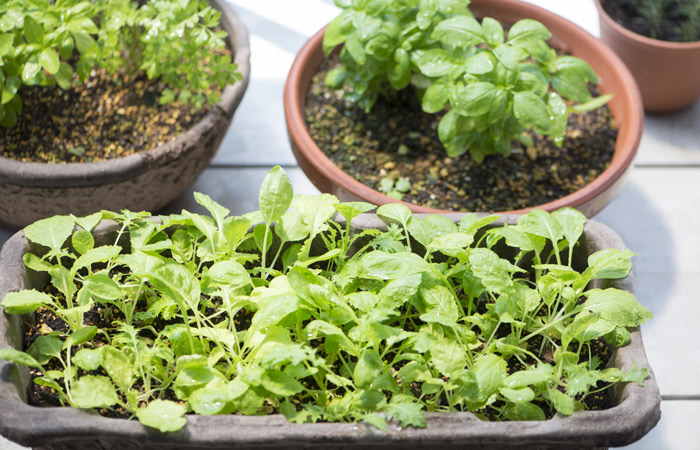
Because the area has many universities and a high concentration of studio apartments for students, the number of share houses is still growing. Larger properties often feature spacious communal living areas and rooms with lofts, retaining the unique character of the original buildings. Some even include full bathrooms in addition to shower rooms. Properties renovated from private homes often feature community gardens where residents grow their own herbs and vegetables, reflecting the unique lifestyle concept of each house.
Most properties are located near Hachioji Station, ensuring daily life is convenient. Since you are never far from rich natural surroundings, it is an ideal environment for those looking to settle down and focus on their personal projects.
A cost-effective city with excellent commercial facilities near the station and main roads!
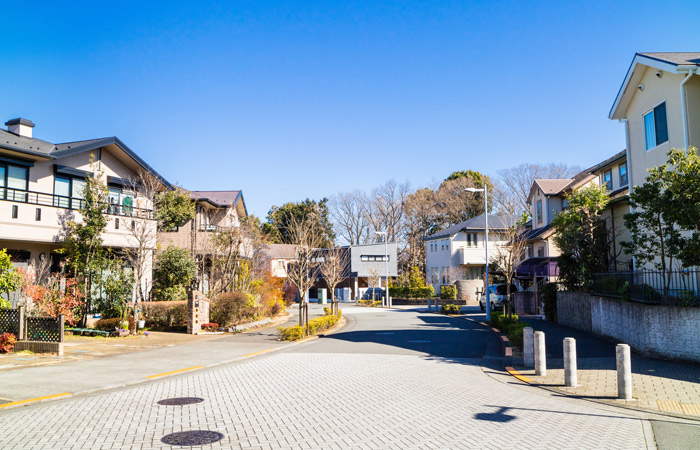
Hachioji City is located in the western part of Tokyo and covers a vast area.
The western half of the city is mountainous, dotted with university campuses that moved from central Tokyo in search of space. The eastern side has grown as a commuter town for the Tokyo metropolitan area, thanks to the convenience of the Chuo and Keio lines. Mount Takao, a Michelin-starred destination, is also located within Hachioji. Because many families live here, the area around the station is packed with commercial facilities, making daily shopping very convenient. Recent redevelopment projects, including pedestrian decks connecting facilities and improved road and parking infrastructure, have eased traffic congestion and made moving between the north and south exits much easier. However, public transport like buses can get crowded, especially in the morning, so finding a property within walking or cycling distance of the station might help you avoid the stress.
If you are looking to commute to work or school within Hachioji, this area is incredibly convenient—why not enjoy it by living in a share house?
A city where you can easily enjoy nature while living in Tokyo!
The Hachioji area has been inhabited since the Kofun period, and many archaeological sites have been excavated here.
During the Sengoku period, the local ruler, the Oishi clan, built a castle on the current Shiroyama mountain near the Koshu Kaido. The castle was named "Hachioji Castle" after the Hachioji Gongen, the eight prince deities worshipped at the foot of the mountain. This is the origin of the city's name. After the Tokugawa Shogunate took control, Hachioji Castle was abandoned, and residents were moved to the new post town along the Koshu Kaido. Hachioji-juku subsequently flourished as the largest post town on the highway. The region became a hub for silk and tea production, and even after the Meiji Restoration, it prospered as a center for the raw silk trade. During the post-war economic boom, the area developed into a commuter town, yet it remains a place where you can easily enjoy nature. Beyond the famous Mount Takao, you can explore the Takiyama Castle ruins (a designated historic site) or enjoy playing by the Tama River.