









Interested in a share house? It’s normal to wonder, "Is this really okay?"
Lower rent, furnished rooms, and the chance to meet new people—share houses offer a unique appeal that living alone simply doesn't have.
On the other hand, it is natural for first-timers to feel anxious, wondering: "Is it okay to live with strangers?" "What about my privacy?" "Will there be conflicts?" or "How much does it actually cost?"
To be clear, a share house is not necessarily the right fit for everyone. However, if you check the points you are concerned about in advance and choose a property that matches your lifestyle, there is no need to be overly worried.
Here, we will go through the questions that first-time share house seekers are most concerned about.
Is living with strangers really okay?
When people hear "share house," the first thing they often worry about is the relationships between residents.
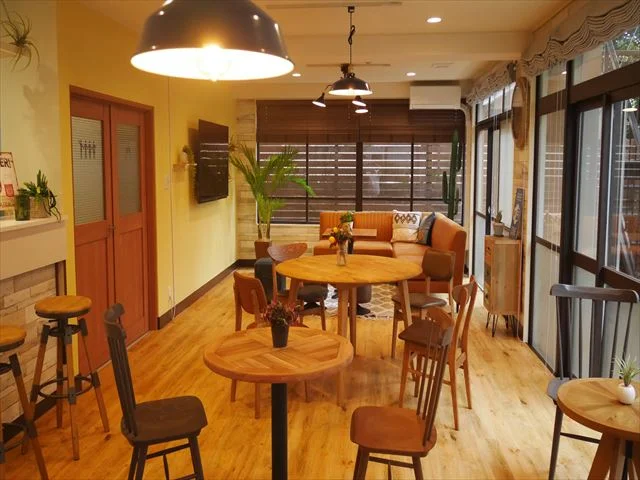
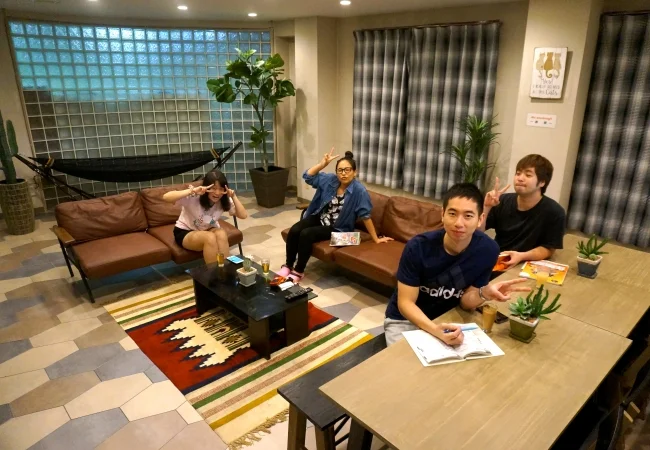
Some imagine that everyone eats together every day or hangs out on weekends, but the actual level of interaction varies greatly depending on the property. Some large share houses prioritize social interaction, while others maintain a more reserved atmosphere where a simple greeting is enough.
The important thing is to consider how much interaction you are looking for.
If you enjoy talking to people, properties with large living rooms or organized events are good candidates. On the other hand, if you prefer to spend your time at home quietly, you might choose a smaller property or one that emphasizes private space.
During a viewing, checking the age range of residents, the gender ratio, how common areas are used, and the general vibe between residents will help reduce any surprises after you move in.
Can I really maintain my privacy?
Even in a share house, you can secure your own private space if you choose a private room type. Depending on the property, each room may have a lock, and some come equipped with a bed, desk, storage, and even a refrigerator.
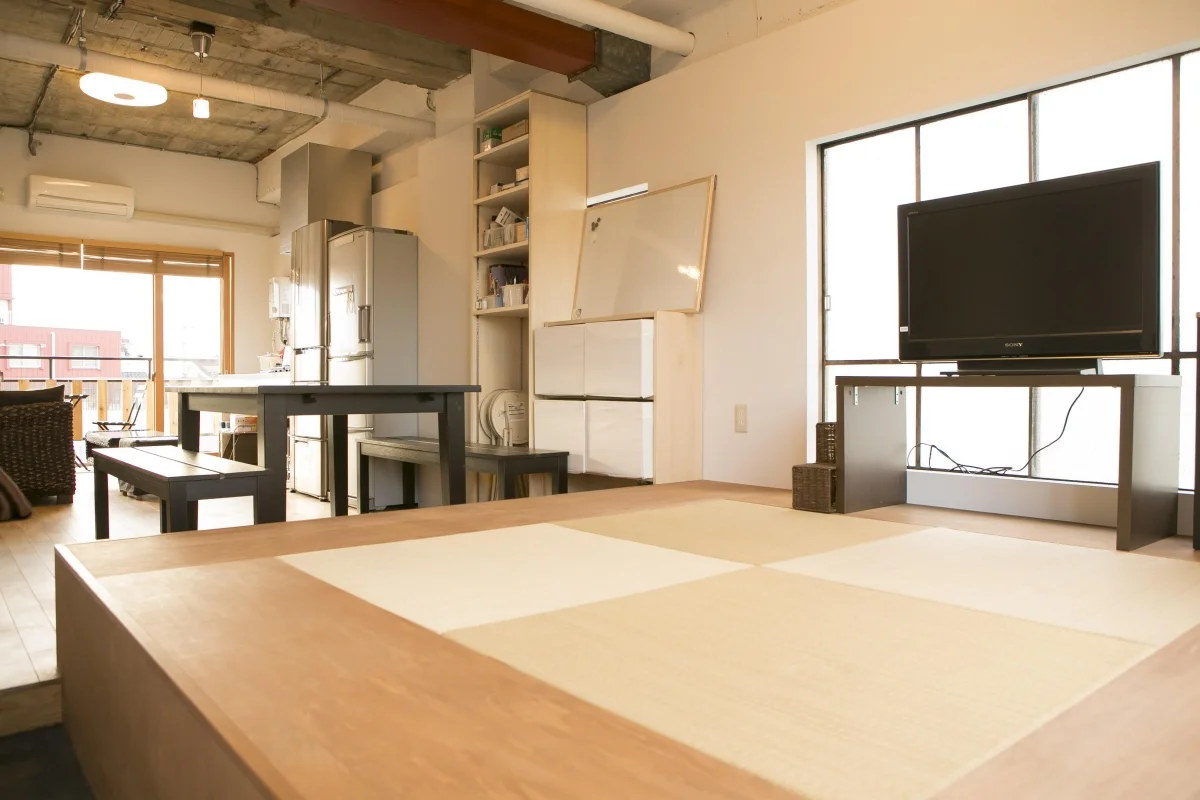
However, kitchens, living rooms, showers, sinks, and toilets are generally shared.
Therefore, if you have specific needs like "I want to be alone in my room" or "I'm worried about bathroom congestion," it is important to check not only if your room has a lock, but also how many showers and toilets are available for the number of residents.
Since this is hard to tell from photos alone, try to visit in person to check the distance between private rooms and common areas, noise levels, and storage space.
Is security a concern?
Security features also vary by property.
Some properties are equipped with auto-locks, security cameras, and private room locks. There are also women-only share houses or properties that separate floors and facilities by gender.
Rather than labeling all share houses as "safe" or "dangerous," it is important to check the facilities and management system one by one, just as you would when choosing a regular rental property.
Especially if you are a woman moving from living alone to a share house, you will feel more at ease if you confirm the entrance locking system, private room locks, security cameras, guest rules, and how to contact the management company.
Are cleaning and house rules strict?
Since it is communal living, there are certain house rules.
Typical rules cover taking out the trash, cleaning common areas, noise at night, smoking, overnight guests, and cleaning up after using shared facilities. However, not all properties rely on a rotating chore schedule for residents. Some properties have management companies or professional cleaning services that regularly clean common areas.
In fact, properties with clear rules are often better at preventing issues where "everyone uses things differently."
When viewing or inquiring, be sure to specifically ask about the items you are concerned about, such as "Who does the cleaning?", "Is there a trash rotation?", "Can I have guests over?", and "Are there rules for nighttime?"
How much does a share house actually cost?
Costs vary greatly by property, but generally, the monthly base cost is "Rent + Common Service Fee."
The common service fee in a share house often includes water, electricity, gas, internet, common area cleaning fees, and consumables. Therefore, instead of looking only at the rent, it is important to compare the total monthly payment.
Initial costs also differ by property. Some cases require a security deposit, contract fees, administrative fees, and fire insurance, while others may have no deposit or key money, or offer campaigns to lower initial costs.
In short, rather than assuming "a share house will always cost X amount," the key is to check the breakdown of initial and monthly costs for each property you are interested in.
On the Share Clip property details page, you can check rent, initial costs, and common service fees. Comparing multiple properties will help you get a better sense of your budget.
What happens if there is a problem?
Since it is communal living, there is a possibility that opinions may clash regarding noise or the use of common areas.
This is where you should check the management system. If the property allows you to consult with the operating company or manager rather than having to resolve issues only between residents, you will have a point of contact when you are in trouble.
Before inquiring, it is a good idea to check how to contact the management company, the frequency of cleaning and patrols, and how they handle disputes.
Also, you yourself need to be considerate, such as "not making loud noises late at night" and "putting things back after using common areas." A share house is not a hotel; it is a home where multiple people live.
Who is a share house for—and who is it not for?
Share houses are well-suited for people who want to keep housing and initial costs down, those who want to avoid the burden of buying furniture and appliances from scratch, those who enjoy moderate social interaction, and those who value flexibility when moving.
Conversely, if you feel significant stress from sharing common spaces with others, prefer to prioritize your own unique lifestyle rules, or are very sensitive to living noises, living alone might be a better fit for you.
The important thing is not whether a share house is "good or bad," but whether it fits your lifestyle.
If you are searching for the first time, check these 5 points
If you are looking for a share house for the first time, please check at least these 5 points:
① Does the private room have a lock?
② What is the total monthly payment?
③ Rules regarding cleaning, trash, and guests.
④ The number of showers/toilets relative to the number of residents.
⑤ Is there a management system you can consult if you have trouble?
Furthermore, if you are concerned about the actual atmosphere, it is recommended to view the property in person rather than deciding based on photos alone. If a property supports online viewings, it is easier to check even if you are moving from far away.
Summary | Address your "vague anxieties" one by one before choosing
It is natural to feel anxious when considering your first share house.
However, instead of vaguely thinking "it might be scary because it's communal living," if you break it down into relationships, privacy, security, rules, costs, and management, it becomes easier to judge whether a property is right for you.
Every share house has a different atmosphere, facilities, and rules. Comparing several properties you are interested in and asking questions before moving in is the shortcut to starting your new life with peace of mind.
At Share Clip, you can search for share houses by area, features, and specific conditions. Start by looking for share houses that interest you from the perspective of "what kind of property could I see myself living in?"