







What is a Share House?
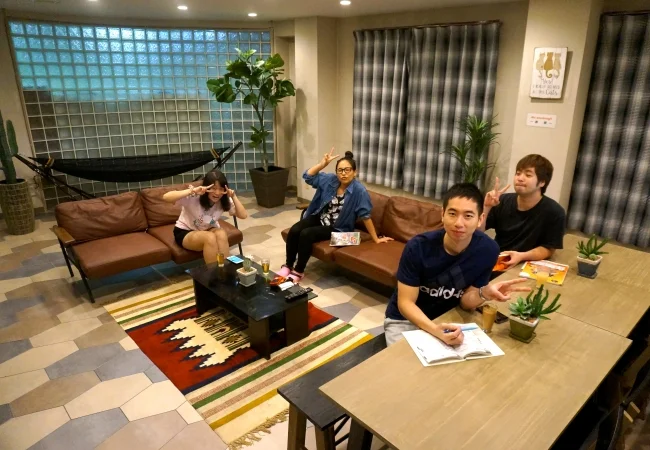
A share house is a rental residence where you have a private room or dedicated bed space while sharing facilities such as toilets, bathrooms, showers, living rooms (lounges), and kitchens. The property and its daily operations are managed by a professional operator or management company.
Because you share common spaces, share houses naturally foster interaction among residents. For properties without restrictions on nationality or gender, this cross-cultural exchange is a major appeal. Conversely, there are many properties restricted to women-only or Japanese-only, providing plenty of options for those who may feel uncomfortable in mixed-gender environments.
Since share houses are managed by professional operators, you have the peace of mind that support is available should any trouble arise, even while sharing living spaces with others.
Most share houses come fully furnished with essentials like beds, desks, and storage, eliminating the need for a major move. Initial move-in costs are significantly lower compared to standard rentals, and utility fees are often fixed (or sometimes actual costs), which is another unique benefit of share house living.
The ability to move in easily with minimal belongings is one of the true charms of a share house.
- Is the share house you imagine just one of many types?
- It’s the residents who create the unique atmosphere!
- What it means to "share."
Is the share house you imagine just one of many types?

Share houses have become increasingly popular in media and television.
Most of what you see featured are large-scale "concept" share houses. Do you assume that social interaction is the main purpose of all share houses? Or perhaps you assume they are simply a way to save on rent?
Actually, both are correct.
There are many share houses where social interaction is vibrant, and many where rent is affordable.
However, the share house model isn't defined by just those two benefits; there are many different types.
For example:
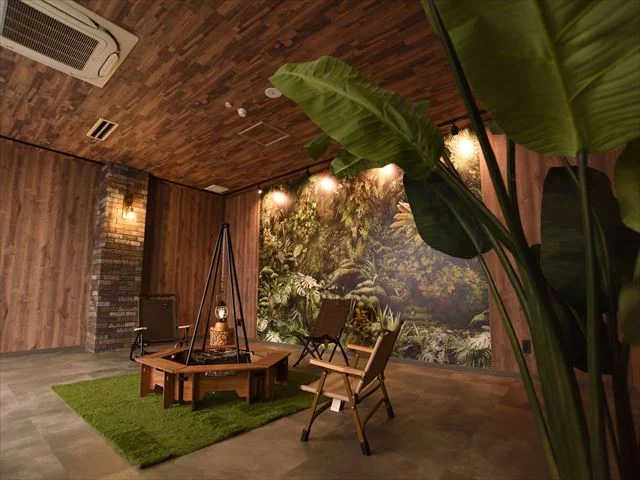
- Concept-based share houses for people with shared hobbies or goals.
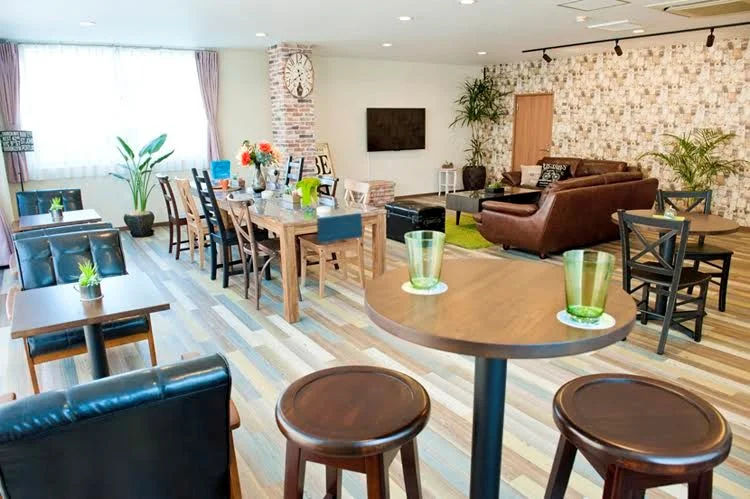
- Large properties with a strong focus on community and interaction.
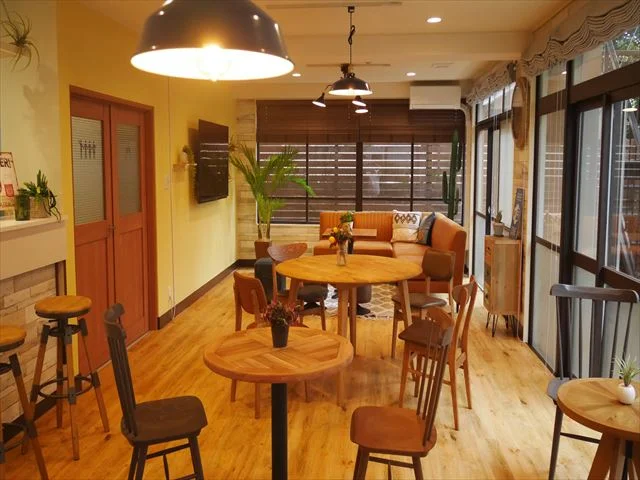
- Small, cozy share houses converted from private homes.
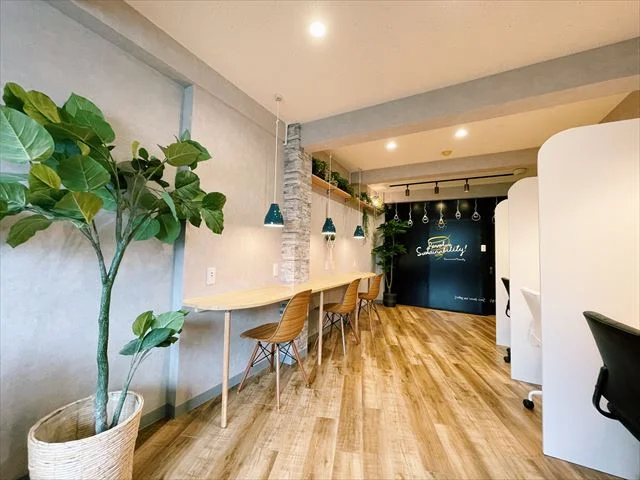
- Affordable share houses in the city center for an easy commute, even if private rooms are compact.
And so on.
While interaction is natural in houses where residents share hobbies or goals, smaller share houses with a few to a dozen residents may offer a more balanced distance between people. Some have spacious rooms with higher rent, while others have smaller rooms with lower rent. The variety is truly endless.
It’s the residents who create the unique atmosphere!

Since a share house is a place to live, your first priorities will naturally be the same as finding a standard apartment: proximity to the station, commute time, rent, and the condition of the property. This is, of course, perfectly valid.
However, when choosing a share house, focusing only on these specs can lead to anxiety after moving in.
Because share houses vary so much, choosing an environment that doesn't fit your personality can make daily life feel dull, exhausting, or even unsustainable.
The most important characteristics of a share house aren't just created by the operator's concept or the design of the common areas.
It is the atmosphere created by the people who live there!
This is where the biggest differences between share houses lie.
To take extreme examples:
- A house where everyone greets each other with a smile vs. one where people just nod without making eye contact.
- A house where everyone cleans the kitchen after use vs. one where food waste is left in the sink.
It’s obvious which one most people would prefer. Greetings are fundamental to human relationships.
Also, consider:
- A house with frequent social events vs. one with no particular events.
How would you choose between these two?
The preference depends entirely on your personality and lifestyle.
What are you looking for, and what do you hope to gain from living in a share house?
The collective mindset of the residents determines the "vibe" of the house. When searching for a share house, try to consider the atmosphere as one of your key criteria.
What it means to "share."
As mentioned, share houses come in many varieties, but the one thing they all have in common is the act of sharing.
If you live in a detached house, you might not worry much about daily noise, but even in apartments, you are usually mindful of your neighbors. In a share house, you need to take that mindfulness a step further, but it is simply common courtesy when living with others.
Specifically:
- Avoid making loud noises or causing disturbances late at night.
- Do not leave personal belongings in common areas like the living room or kitchen.
- Clean up after yourself.
If you think about what you would find unpleasant if someone did it to you, these rules are easy to follow.
While the distance between residents varies by house, the fact that interaction happens naturally is the greatest charm of share house living. You may have the opportunity to meet people of different genders, nationalities, and professions.
Being in an environment that requires natural interaction and consideration for others is a fantastic way to grow as a person and prepare for your future. Why not find a share house that suits you and experience a more fulfilling lifestyle?