







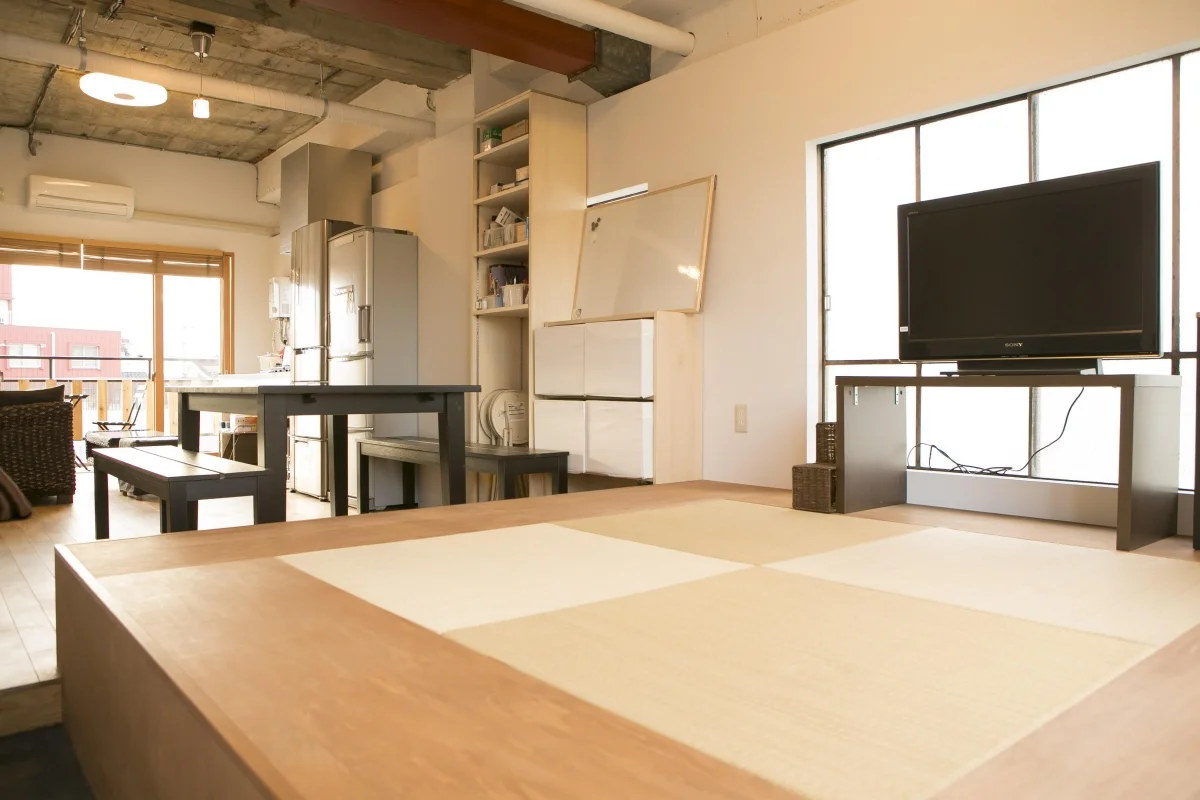




Key Points for Choosing a Share House
What do you prioritize when choosing a share house?
Beyond rent and location, there are many factors to consider, such as the size of the house and the available facilities.
In this guide, we will focus on the following four key points:
1. Compatibility with housemates
2. Rent and utility costs
3. House facilities and conditions
4. Location
Compatibility with housemates

Compatibility with your housemates is a crucial factor that directly impacts the comfort and satisfaction of your share house life.
We will break this down into five key areas.
1. Communication
Understanding different communication styles is essential for smooth interactions. Some people are outgoing and social, while others may be introverted and quiet. Consider your own style and discuss expectations regarding communication frequency. At Share Clip, we provide data on the social atmosphere and events for each house, which you can use as a reference.
2. Lifestyle
Matching daily rhythms is vital. For example, if a "morning person" and a "night owl" live together, it can lead to scheduling conflicts or noise issues. Respecting each other's habits and schedules is key.
3. Preferences and Hobbies
Differences in tastes—such as music, TV, cooking, or cleaning standards—can affect shared spaces. Understanding these differences and being willing to compromise or show consideration for one another is necessary to avoid friction.
4. House Rules
Most share houses have established rules regarding the use of common areas. When assessing compatibility, look for a sense of responsibility and a willingness to follow these guidelines. Keeping shared spaces clean and following the rules helps prevent unnecessary stress.
5. Conflict Resolution
Conflicts may arise in any shared living situation. Good problem-solving skills, such as the ability to communicate openly, compromise, and respect others' opinions, are essential. If an issue occurs, address it calmly to find a solution.
By keeping these points in mind and fully understanding the rules of each house, you can ensure a stress-free communal living experience.
Rent and utility costs
Rent and utilities are significant financial factors. Here is a detailed breakdown:
Rent
Rent is the base fee for living in the share house, determined by several factors:
- The size and amenities of your private room generally influence the price.
- Location matters; houses in city centers or areas with excellent transportation tend to be more expensive.
- The quality and size of common areas, such as kitchens and living rooms, also affect the rent.
Utilities
Utilities include water, electricity, and gas. Whether these are included in your rent varies by property, so be sure to check the listing or ask the management company.
- If utilities are included, you don't have to worry about monthly fluctuations, though you should still be mindful of excessive usage.
- If utilities are not included, they are typically split among residents. It is important to ask about the average monthly cost and past usage patterns to plan your budget accordingly.
Always consider your personal budget and financial situation to ensure that your housing costs remain comfortable and sustainable.
House facilities and conditions
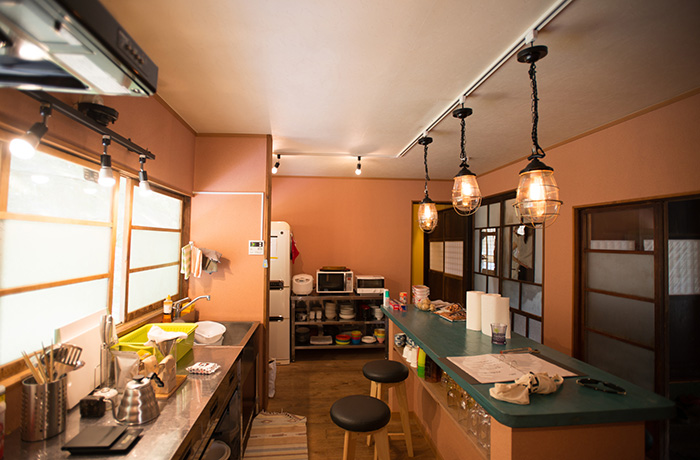
The facilities and conditions of a share house are vital for a comfortable daily life.
1. Private Room Size and Furniture
Choose a room size that fits your lifestyle. Many share houses come fully furnished (bed, desk, closet, etc.). Always confirm what is provided versus what you need to bring yourself.
2. Common Area Facilities
Common areas are where you socialize and handle daily tasks.
- Kitchen: Check for essential appliances like refrigerators, ovens, cookware, and tableware.
- Living Room: Look for comfortable seating, tables, and entertainment systems.
- Bathroom: Check the number of toilets and showers/bathtubs, and ensure they are well-maintained and clean.
3. Internet Connection
High-speed, stable internet is essential today. Confirm the availability of Wi-Fi and the location of routers.
4. Safety and Security
To protect yourself and your belongings, pay attention to security:
- Locks: Ensure that both the main entrance and your private room have reliable locking systems.
- Crime Prevention: Research the safety of the surrounding area, including street lighting and the presence of security cameras.
Before choosing a house, research these details thoroughly to ensure the environment matches your needs.
Location
Location is a critical factor. Consider your commute, school, and daily lifestyle when making your choice.
1. Transportation Convenience
Check the distance to the nearest train station or bus stop. Easy access to public transport saves both time and money.
2. Proximity to Daily Amenities
Having supermarkets, convenience stores, banks, and post offices within walking distance makes daily life much more convenient.
3. Safety and Neighborhood
Research the crime rate and general safety of the area. Check if the streets are well-lit at night.
4. Noise Levels
Avoid locations near major roads, train tracks, or nightlife districts if you are sensitive to noise. A quiet environment is often key to a good night's sleep.
5. Natural Environment
While not always a priority, being near parks or jogging paths can be a great way to refresh and maintain your physical and mental health.
By weighing these factors, you can find a location that fits your lifestyle and ensures a comfortable living experience.