

What is Ueno like?
Ueno is an area that flourished as a temple town for Kaneiji, a temple built at the "demon gate" (northeast) of Edo Castle to protect the Tokugawa Shogunate, and which served as the family temple for Tokugawa Ieyasu.
Ueno Station, with its many intersecting lines, served as the gateway to Tokyo for many years, acting as the primary terminus for lines coming from the Tohoku region before the JR lines were reorganized to center on Tokyo Station.
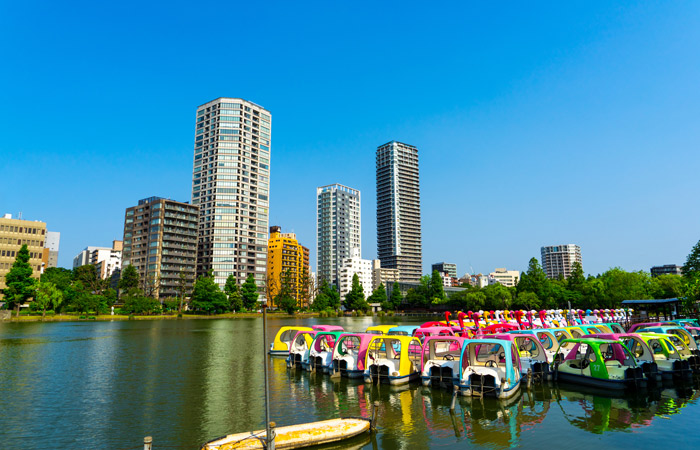
With the vast Ueno Park, numerous institutions including the National Museum, and the campus of the Tokyo University of the Arts, the area is surrounded by a cityscape that retains a deep sense of history, culture, and the nostalgic atmosphere of "shitamachi" (old downtown). It is a truly charming area that evokes the good old days.
- A city with excellent access to everywhere via numerous lines at a historic station!
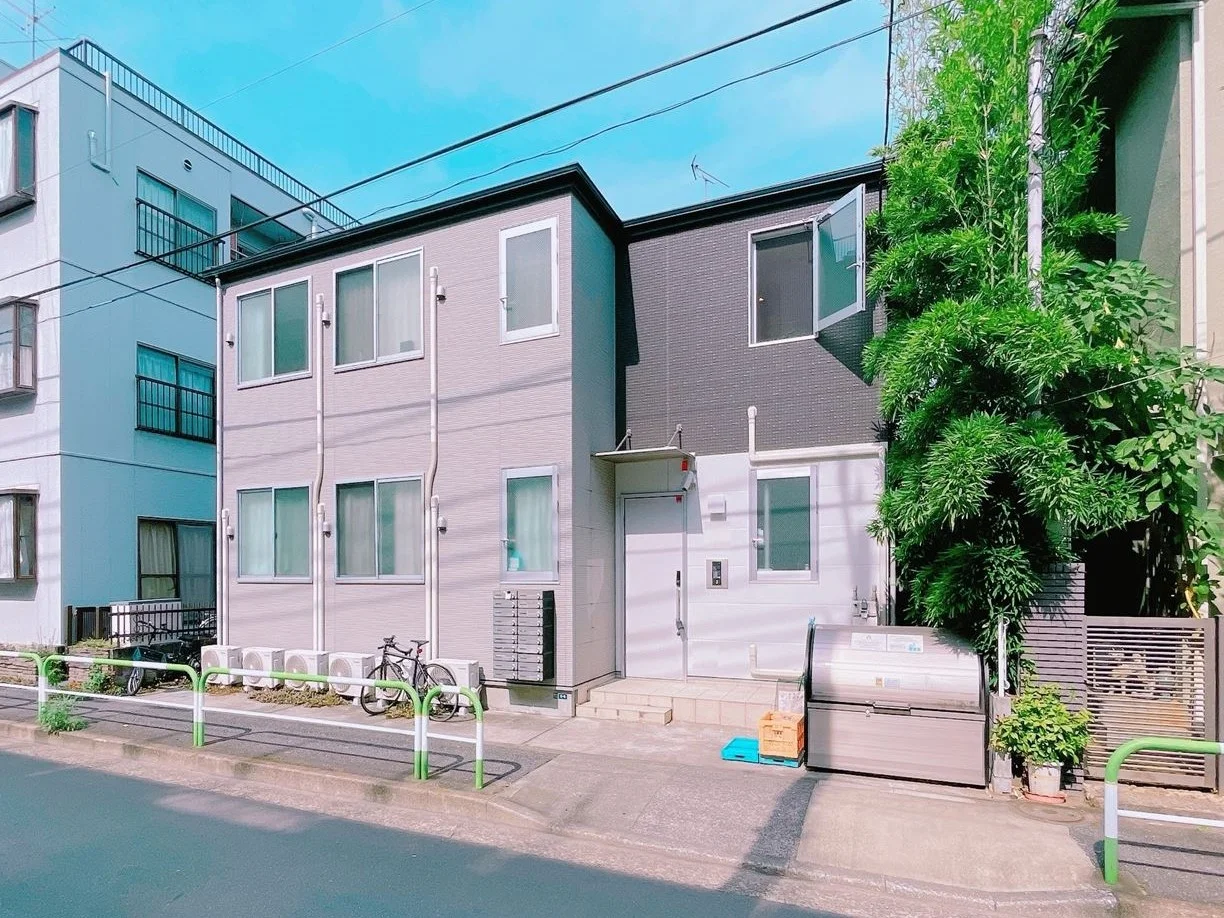
- A collection of unique share houses that match the local atmosphere!
- Enjoy the history and cultural facilities of the city from your share house!
- Experience the timeless scenery of Ueno through share house living!
A city with excellent access to everywhere via numerous lines at a historic station!
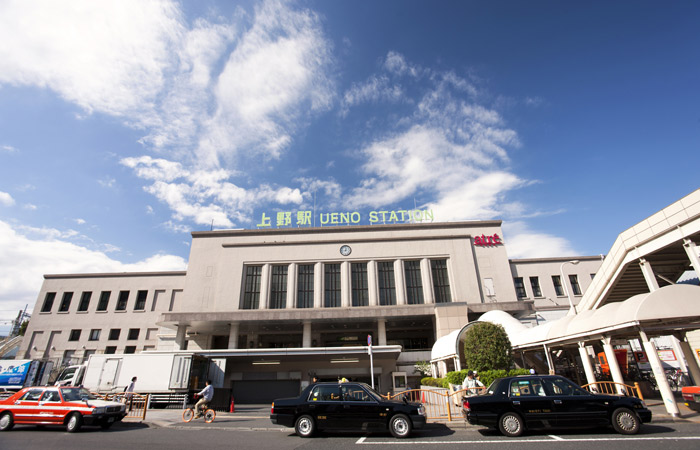
Ueno is located in Taito Ward, Tokyo, and is a famous tourist destination.
Ueno Station is a historic station that opened alongside the Nippon Railway, Japan's first private railway. It has long prospered as a major terminal for JR lines heading north toward Tohoku and Northern Kanto. Ueno Station serves the JR Yamanote Line, Keihin-Tohoku Line, Joban Line (including rapid trains), Utsunomiya Line, Takasaki Line, Ueno-Tokyo Line, as well as the Tohoku, Yamagata, Akita, Hokkaido, Joetsu, and Hokuriku Shinkansen lines. It is also served by the Tokyo Metro Ginza and Hibiya lines. Its convenience is self-evident, but the Keisei Main Line's Ueno Station is also adjacent, offering the direct Keisei Liner to Narita Airport. Furthermore, Haneda Airport can be reached in about 40 minutes via the Tokyo Monorail from Hamamatsucho Station on the Yamanote/Keihin-Tohoku lines. Nearby stations such as Ueno-hirokoji (Ginza Line), Yushima (Chiyoda Line), Okachimachi (Hibiya Line), and Ueno-okachimachi (Toei Oedo Line) further enhance accessibility.
While there is no central bus rotary, there are bus stops serving routes to Kanamachi, Asakusa, and Kanda, as well as various highway buses.
A collection of unique share houses that match the local atmosphere!
Ueno is a popular area close to convenient transport hubs like Tokyo Station and tourist spots like Asakusa.
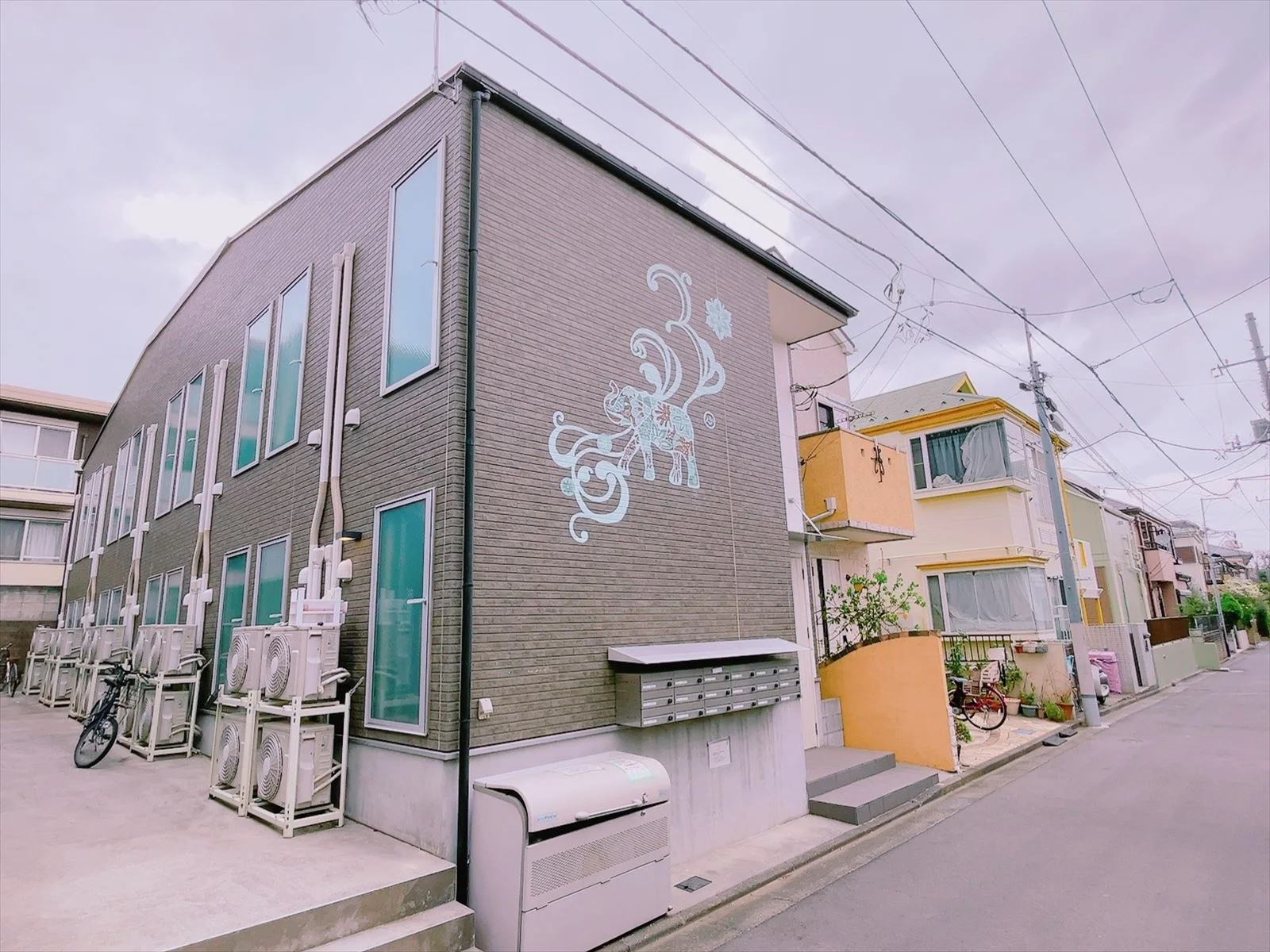
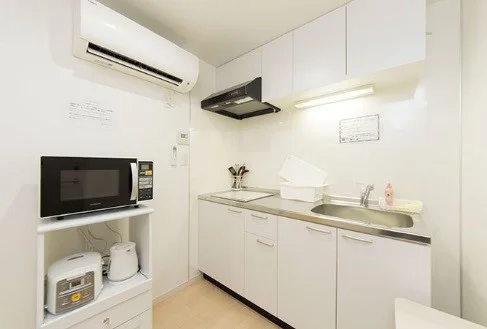
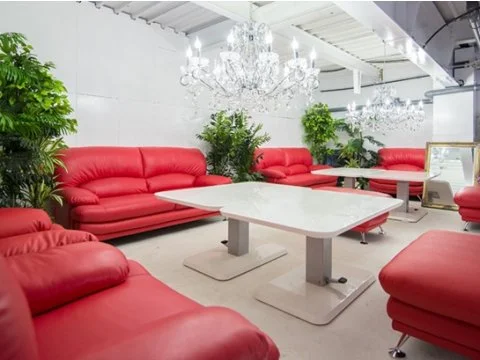
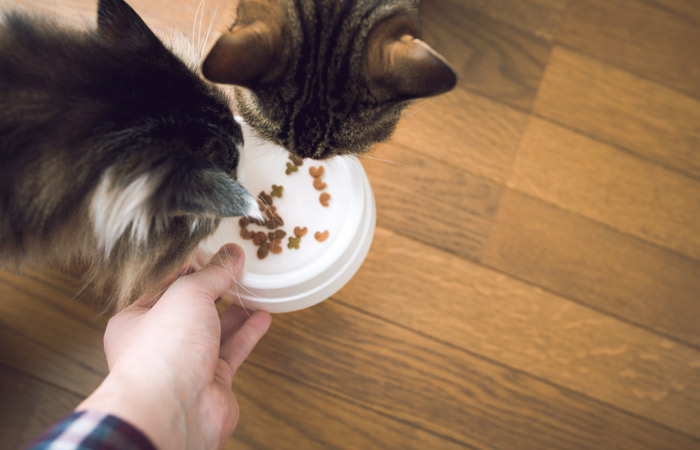
Most share houses in Ueno are small to medium-sized. Smaller properties are often renovated private homes, apartments, or single floors of larger buildings. Many renovated private homes emphasize a retro aesthetic, perfectly matching Ueno's historic character. These smaller properties often feature unique concepts, such as being pet-friendly or centered around shared hobbies. Medium-sized share houses often consist of entire renovated buildings or former apartment complexes; the latter are particularly well-equipped, often featuring auto-lock security systems due to their original design.
As a long-established residential area, it is lively, convenient, and highly popular.
Enjoy the history and cultural facilities of the city from your share house!
Ueno is located in Taito Ward, in the eastern part of Tokyo.
During the Sengoku period, it was known as "Shinobugaoka" and was sparsely populated. In the Edo period, during the time of the third Shogun, Iemitsu, Kaneiji Temple was built here as the Tokugawa family temple, leading to the development of a temple town. As it became the burial site for successive Shoguns, the area was protected, and the town flourished. The location was chosen specifically because it lay in the "demon gate" direction from Edo Castle, a detail that highlights the deep historical significance of the area.
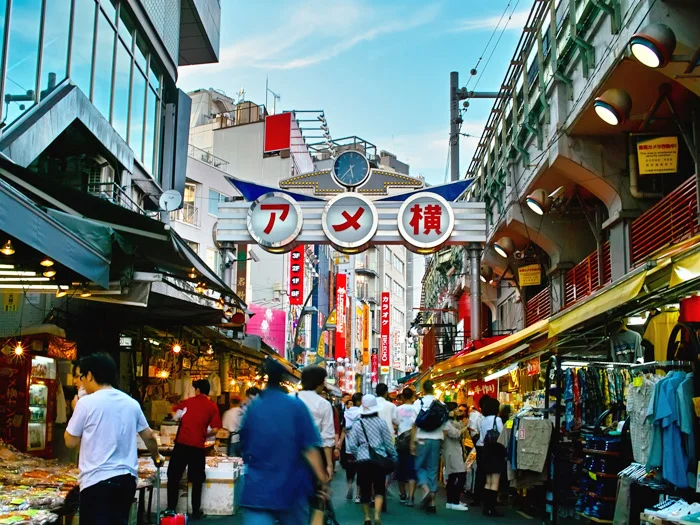
While Ueno Station is surrounded by bustling commercial and entertainment districts, quiet, traditional residential neighborhoods lie just a short distance away. With proximity to the wholesale district of Okachimachi and the famous Ameyoko market, it is a convenient area for daily life with many affordable shopping options. While the area around Ueno Park, home to many cultural facilities, gets crowded with tourists on holidays and during cherry blossom season, the park itself is dotted with hidden gems.
Living in a Ueno share house, you'll be able to find your own favorite spots!♪
Experience the timeless scenery of Ueno through share house living!
As the name suggests, "Ueno-no-yama" (Ueno Hill) is located on a tongue-shaped plateau at the edge of the Musashino Terrace.
In ancient times, it was a cape jutting into Tokyo Bay. As the coastline receded and the surrounding area became low-lying, it came to be called "Ueno" (meaning "upper field" or "plateau"). The surrounding lowlands were called "Shitaya" (meaning "lower valley"), a name that remains today.
Once just a hill and lowlands, the area became a city of temples and cultural facilities following the establishment of Kaneiji Temple. Ueno Hill was famous for its cherry blossoms as early as the Edo period. However, the Boshin War at the end of the Edo period left Kaneiji Temple burned and the area devastated. It was later developed into Japan's first "park," and today it is once again a renowned cherry blossom spot.
The surrounding residential areas retain a strong "shitamachi" charm, with retro streets and shops. You can also enjoy traditional Japanese comedy at the Ueno Hirokoji-tei or Suzumoto Engeijo theaters.
Beyond the Ueno Zoo and its pandas, the area is rich in culture, featuring the National Museum, the National Museum of Western Art (a World Heritage site), the National Museum of Nature and Science, and the nearby Tokyo University of the Arts.
Why not live in a share house and enjoy all that this area has to offer?♪