




What is Shibuya like?
Shibuya is a major commercial hub, now recognized globally as a premier tourist destination. However, before the railways were laid, it was simply a quiet residential area located away from the station.
As Shibuya Station became a major terminal for various railway lines, the surrounding areas developed into residential neighborhoods. Beyond the bustling city center, you will find upscale residential districts like Aoyama, Shirokane, Shoto, and Kakinokizaka, many of which are home to various foreign embassies.
There are many reasons to choose Shibuya as your home, from its exceptional transport convenience to its abundance of department stores and commercial facilities. Furthermore, the city’s charm lies in its unique blend of the old and the new, with the vast, forested grounds of Meiji Jingu Shrine nearby and hidden backstreets where tradition and modernity coexist in perfect harmony.
- Shibuya: A City of Constant Redevelopment and Unmatched Convenience
- A Wide Range of Share Houses to Suit Every Lifestyle
- Enjoy Both Quiet Living and the Vibrant Energy of the City
- Perfect for Those Who Want to Embrace the Urban Hustle
Shibuya: A City of Constant Redevelopment and Unmatched Convenience
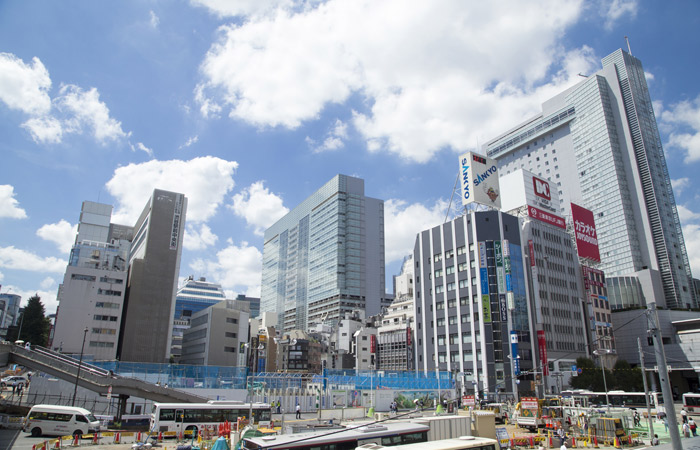
Shibuya is a cutting-edge hub for fashion and business, characterized by remarkable commercial and economic growth.
At its heart lies Shibuya Station, a massive terminal served by the JR Yamanote, Saikyo, and Shonan-Shinjuku lines, as well as the Keio Inokashira Line, Tokyu Toyoko and Den-en-toshi lines, and Tokyo Metro Ginza, Hanzomon, and Fukutoshin lines. For many of these non-JR lines, Shibuya serves as the starting or terminal station.
The bus network is equally impressive, with major terminals at both the East and West exits. The East Exit terminal offers routes to Gotanda via Ebisu, and to Ikebukuro via Omotesando, Shinjuku, and Takadanobaba. The West Exit terminal serves community buses and routes to Chofu via Sangenjaya and Komae. Additionally, the Mark City building houses a long-distance bus terminal with limousine buses to Narita and Haneda airports, as well as highway buses to cities like Sendai, Kanazawa, and Kobe. The Toei Bus from the East Exit to Shimbashi is particularly convenient, running frequently through Nishi-Azabu, Roppongi Hills, and Akasaka Ark Hills with minimal delays even during peak hours. With easy access to Meiji-dori, Inokashira-dori, and Aoyama-dori, as well as the nearby Osaki Junction on the Shuto Expressway, traveling by car is also stress-free.
Shibuya offers some of the best public transportation access in all of Tokyo.
A Wide Range of Share Houses to Suit Every Lifestyle
As one of Tokyo’s three major sub-centers, Shibuya forms a bustling commercial area alongside Shinjuku and Ikebukuro.
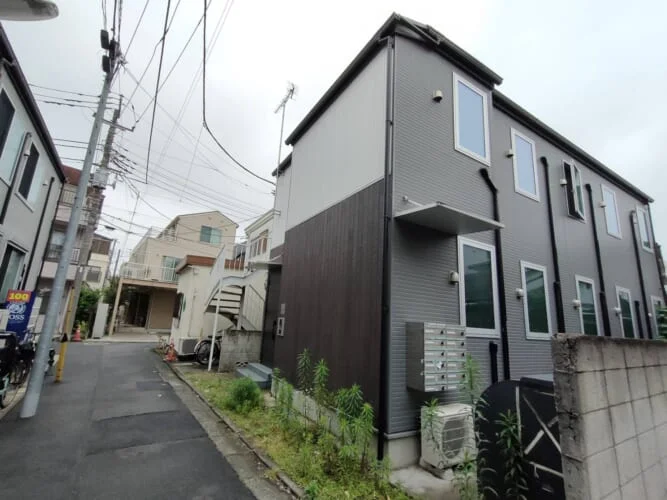
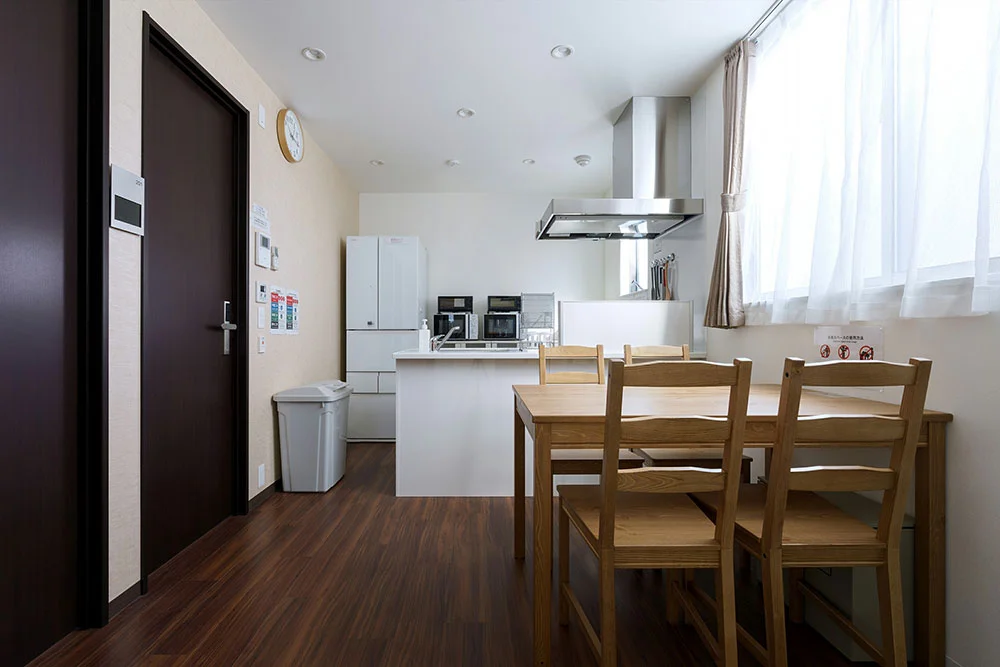
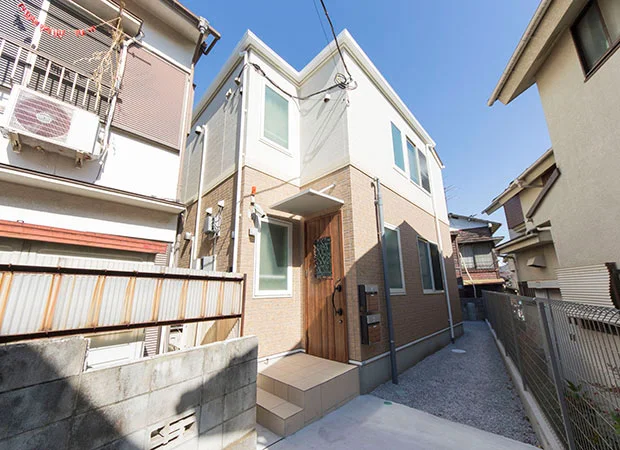
Share houses in Shibuya vary widely: from small-scale properties for three people renovated from traditional houses, to medium-sized apartments and mansions, and even large-scale buildings renovated in their entirety.
You can find a diverse array of concepts, including retro Showa-era interiors, stylish designer spaces, and share offices tailored for digital nomads. While some older properties may look traditional on the outside, their interiors are beautifully renovated to match their specific concepts, ensuring comfortable living spaces and modern plumbing. Many apartment-style share houses also offer female-only floors, providing extra peace of mind regarding security.

Shibuya is a unique area that blends a commercial and business district with high-end residential neighborhoods like Shoto and Aoyama.
Exploring the different faces of the city—beyond just the hustle and bustle—is one of the many joys of living in a Shibuya share house.
Enjoy Both Quiet Living and the Vibrant Energy of the City
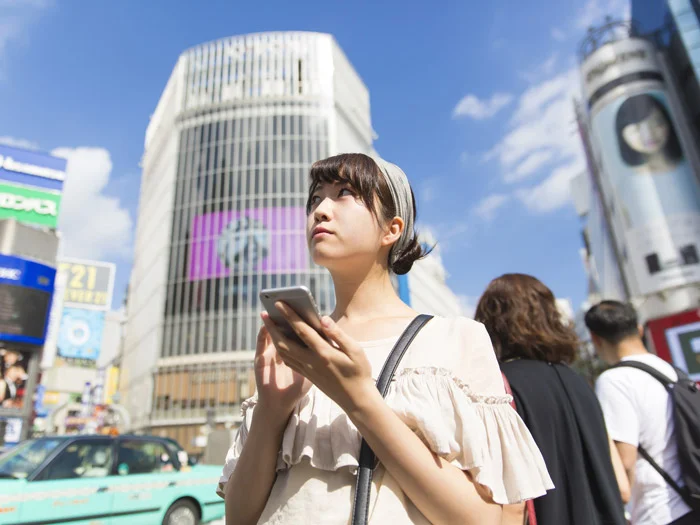
The commercial and entertainment districts around Shibuya Station are world-famous, with the Hachiko Crossing now a popular spot for tourists from across the globe.
Large-scale redevelopment projects have brought high-rise complexes like Shibuya Mark City and Shibuya Hikarie to the area. With the Tokyu Toyoko Line moving underground to connect with the Tokyo Metro Fukutoshin Line, further massive redevelopment is currently underway. While the area around the station is lively and crowded all day, a short walk to neighborhoods like Shoto, Shirokane, Aoyama, or Daikanyama reveals quiet residential streets, small parks, and perfect spots for a stroll.
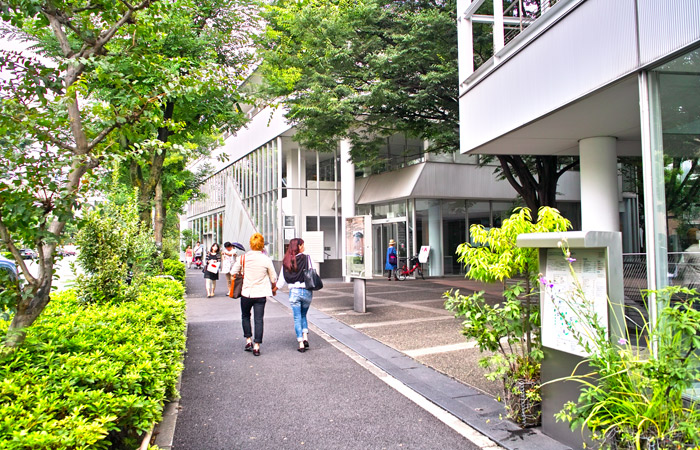
It is worth noting that, as the name suggests, Shibuya is a city of hills. You will likely find yourself walking up an incline no matter which direction you head from the station. Also, because the area is a major hub, crowds can gather for various events, which might be a slight frustration if you prefer a quieter pace.
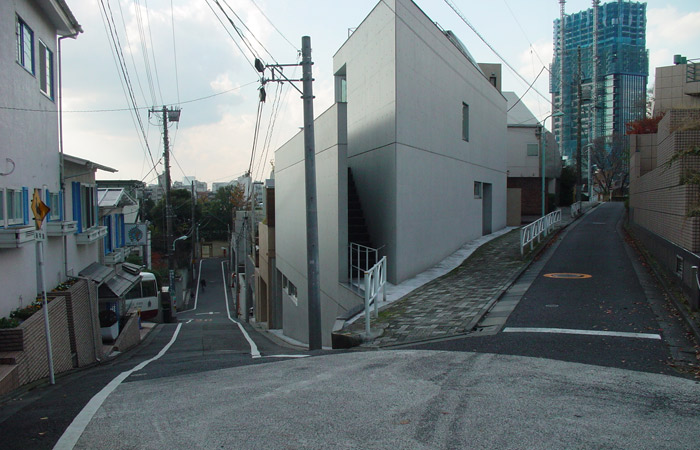
For those who love a vibrant, active lifestyle, a share house in the ever-evolving Shibuya area is highly recommended!
Perfect for Those Who Want to Embrace the Urban Hustle
Located in the western part of Tokyo's 23 wards, Shibuya has a large population of young residents and, consequently, a high number of share houses.
Shibuya was originally a valley town formed at the confluence of the Shibuya and Uda rivers. The area around Maruyamacho, above Dogenzaka to the west of the station, was once a post town. The station's famously complex structure—often called the "Shibuya Dungeon"—is a direct result of its location at the bottom of this valley. As various railway lines sought stable ground for their tracks and stations, they were built in a multi-layered, intersecting fashion, making the station layout difficult to navigate.
A prime example of this is the Tokyo Metro Ginza Line, which operates on the third floor—the highest point of any line in the station—with its depot located on the third floor of Shibuya Mark City, even higher than the Keio Inokashira Line (2nd floor) or the elevated JR Yamanote Line tracks.
Because the city is bustling around the clock, it is perfect for those who want to soak up its energy. However, if you want to enjoy the convenience while keeping your home life quiet, try looking for share houses a bit further away from the station.
Residential areas are filled with small shops and supermarkets, allowing you to enjoy home-cooked meals alongside the convenience of dining out, ensuring a well-rounded daily life.
Share Houses in Shibuya