


What is Roppongi like?
Roppongi is now one of Tokyo’s most famous entertainment districts, but its transformation into a bustling hub only began after World War II. During the Edo period, it was a quiet area occupied primarily by feudal lords' residences and temples. Today, while the area around Roppongi Station is lined with stylish restaurants, shops, and large-scale commercial complexes, just a short walk away you will find prestigious residential neighborhoods like Azabu, Aoyama, and Hiroo.
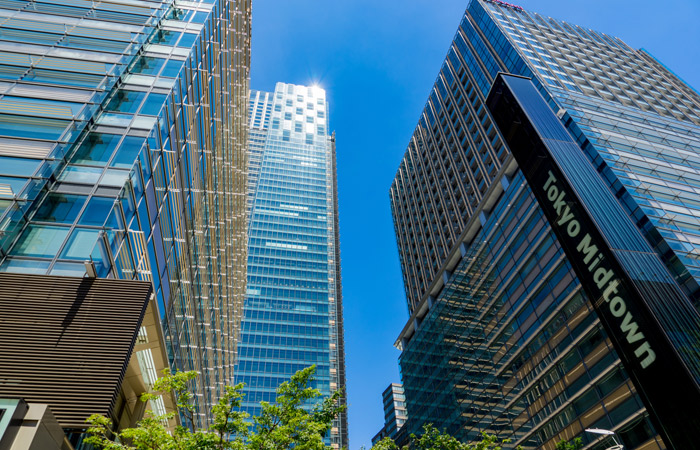
Although there are no traditional department stores, the area is highly convenient and popular, anchored by major mixed-use complexes like Tokyo Midtown and Roppongi Hills, and cultural landmarks such as The National Art Center, Tokyo.
- Roppongi: A hub where subway lines meet convenient bus routes
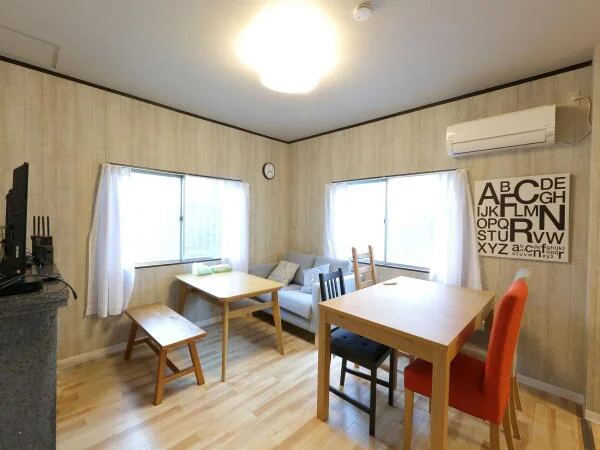
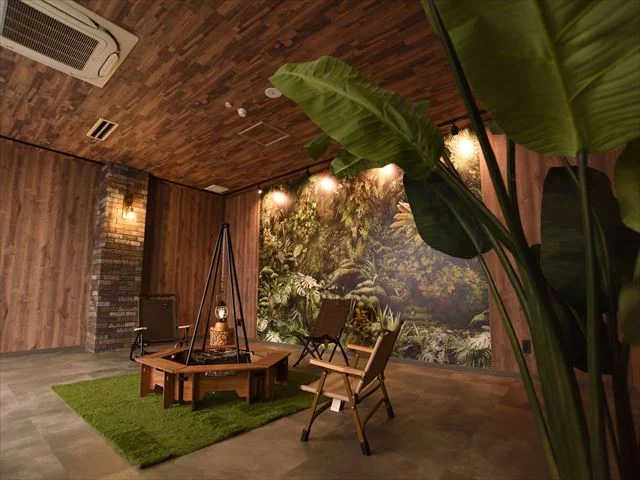
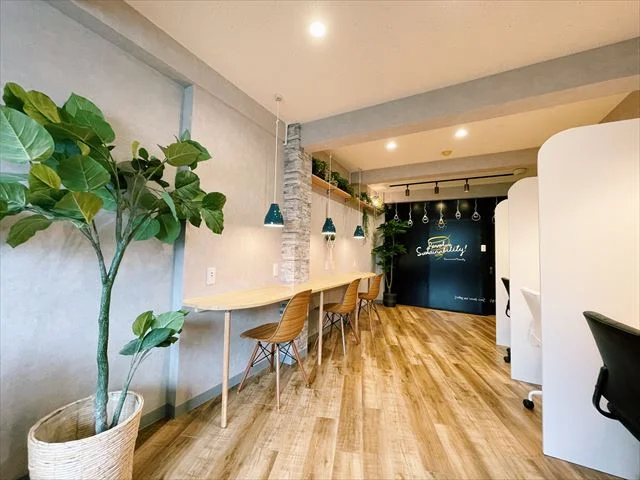
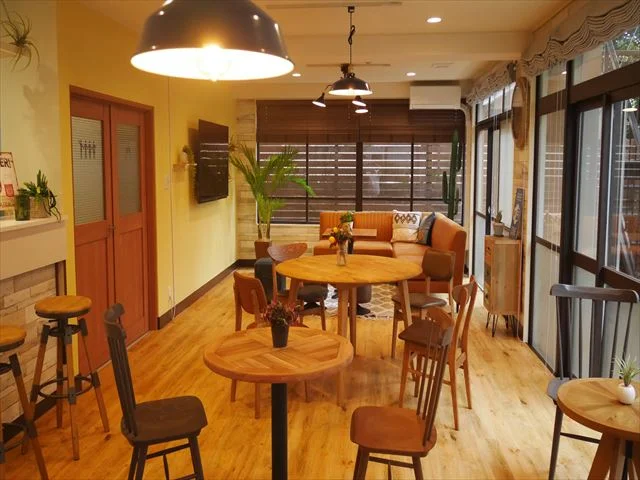
- Many share houses housed in renovated mansions and traditional homes!
- Live in an elite area that’s usually out of reach—start with a share house!
- Find stylish share houses in quiet residential pockets just steps from the nightlife!
Roppongi: A hub where subway lines meet convenient bus routes
In the Edo period, Roppongi was a samurai district, and the area around the current Roppongi Crossing was a "monzen-machi" (temple town) lined with temples.
Roppongi Station is served by the Tokyo Metro Hibiya Line and the Toei Oedo Line. The subway station opened in 1964, which is relatively recent for a major Tokyo district. The Oedo Line followed in 2000, with its inner-loop platform being the deepest in Japan. Because the Hibiya Line runs east-west and the Oedo Line runs north-south through the station, it is exceptionally convenient for getting around Tokyo.
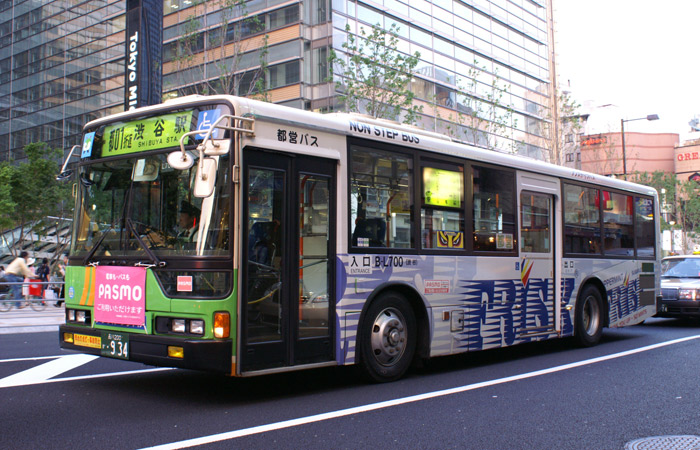
Additionally, there is frequent city bus service to Shibuya, Gotanda, and Tamachi. Surprisingly, these routes are less affected by traffic than you might expect, offering a stress-free way to reach Shibuya and the eastern parts of Tokyo.
Many share houses housed in renovated mansions and traditional homes!
The Roppongi area is located in the northern part of Minato Ward, bordering popular neighborhoods like Aoyama, Akasaka, and Azabu.
Most share houses in Roppongi are small-scale, renovated private homes or apartments. While some are larger renovated mansions, they generally have a limited number of rooms. Each share house is designed with a focus on the area's stylish aesthetic, blending retro architecture with modern, comfortable living spaces. Some renovated homes even feature bathtubs in addition to shower rooms, allowing you to relax and soak after a long day.
Roppongi is famous for its glamorous, high-end entertainment district centered around Roppongi Crossing. The true appeal of living here is the location itself. The nearby Azabu area features quiet residential streets dotted with foreign embassies, contributing to the neighborhood's prestigious reputation.
If you want to enjoy life in an area defined by landmarks like Roppongi Hills and Tokyo Midtown, why not start with a share house to keep your initial costs down?
Live in an elite area that’s usually out of reach—start with a share house!
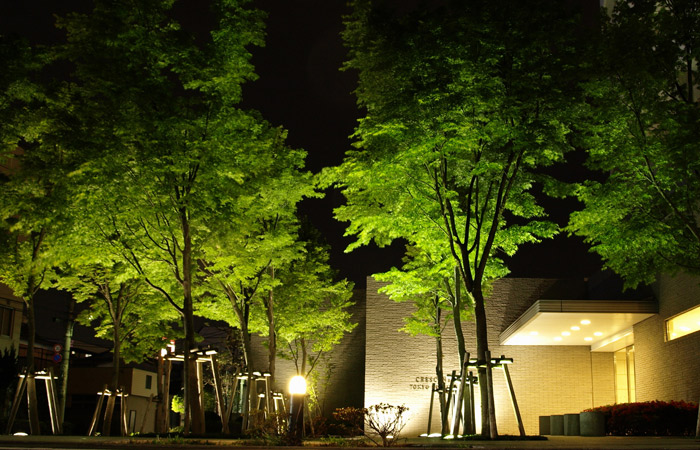
Roppongi is located in Minato Ward, home to many trendy spots including Aoyama, Hiroo, Akasaka, and Azabu.
Roppongi sits at the northern end of this ward and is home to many successful celebrities and public figures. With several TV stations nearby, it is also a hub for people working in the media and entertainment industries.
During the Meiji era, this area was used for military facilities. After the war, the land was requisitioned by Allied forces, leading to an increase in restaurants catering to foreigners—the origin of Roppongi’s reputation as an international district. While Roppongi is known as a "city that never sleeps," the adjacent Azabu and Aoyama areas are both trendy hotspots and high-end residential neighborhoods. While living here independently can be quite expensive, a share house makes it incredibly affordable.
The residential streets become quiet at night, but if you prefer a calmer environment, look for a share house tucked slightly away from the main entertainment district. With many corporate headquarters located in Minato Ward, it is an ideal, highly convenient place to live for your commute.
Find stylish share houses in quiet residential pockets just steps from the nightlife!
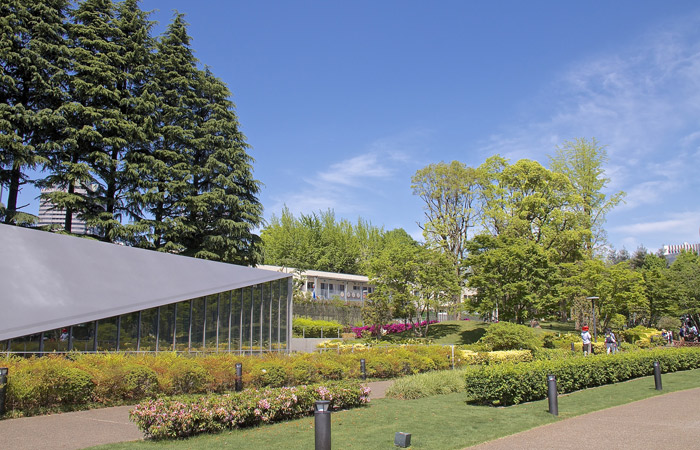
There are various theories regarding the origin of the name "Roppongi" (meaning "six trees"), ranging from the existence of six pine trees to the names of the feudal lords who once resided here—the Takagi, Aoki, Kuchiki, and Uesugi families.
In the Edo period, this area was mostly samurai land. Old maps show many temples around the current Roppongi Crossing, indicating it was a quiet temple town rather than a bustling district. After the war, the area transformed as it was requisitioned by occupation forces, leading to an influx of foreign-oriented businesses. Later, as TV stations opened, it became a gathering place for celebrities and models, and the original residential landscape shifted toward shops and restaurants.
Today, the site of the former Chofu Mori estate has been redeveloped into the massive Roppongi Hills complex, and the former Japan Ground Self-Defense Force site is now the sprawling Tokyo Midtown. While Roppongi might seem like a concrete jungle, it offers beautiful green spaces like the Mori Garden and Midtown Garden, where you can easily forget you are in the heart of the city.
If you want to enjoy the cutting edge of fashion and trends while still having access to nature, a share house is the perfect way to experience life in Roppongi.
Share houses in Roppongi