




What is Ikebukuro like?
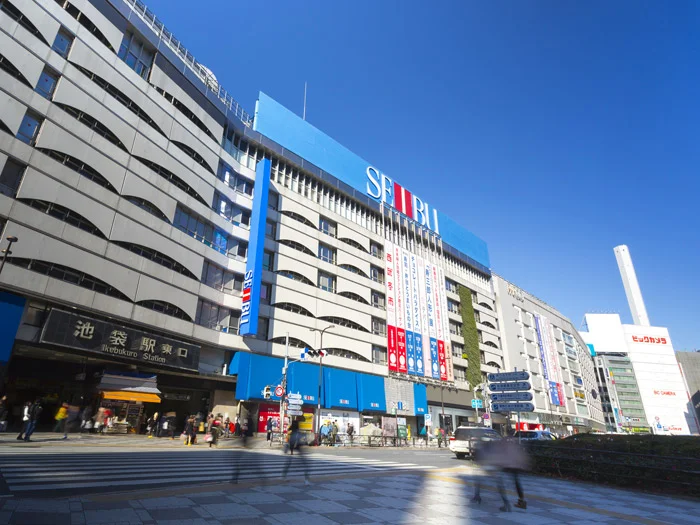
Ikebukuro is one of Tokyo's three major subcenters, alongside Shibuya and Shinjuku, and Ikebukuro Station boasts the second-highest passenger volume in the city, trailing only Shinjuku.
With eight railway lines converging here, the area serves as a vital commercial and economic hub, surrounded by bustling shopping and entertainment districts. Historically, however, it was known as an educational district, and it remains home to numerous cultural facilities, including small theaters and the Tokyo Metropolitan Theatre.
Once the home of the renowned mystery writer Edogawa Ranpo, Ikebukuro is a multifaceted area with a rich and diverse character.
- Ikebukuro: A Hub of Countless Railway Lines
- Retro-Modern Share Houses Reflecting Ikebukuro’s Unique Vibe
- A Highly Convenient City Offering Diverse Lifestyles in Every Direction
- Find a Share House Where You Can Live at Your Own Pace
Ikebukuro: A Hub of Countless Railway Lines
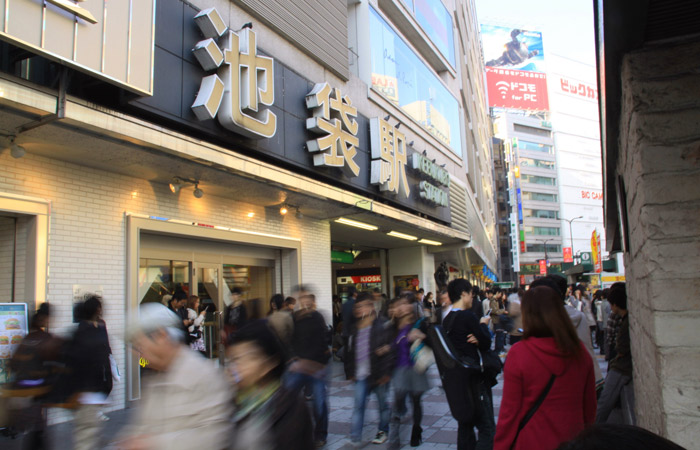
Located in the western part of Tokyo's 23 wards, Ikebukuro Station is a massive terminal served by the JR Yamanote, Saikyo, and Shonan-Shinjuku lines, as well as the Tobu Tojo Line, Seibu Ikebukuro Line, and Tokyo Metro Marunouchi, Yurakucho, and Fukutoshin lines. For the Tobu Tojo, Seibu Ikebukuro, and Marunouchi lines, Ikebukuro serves as the starting and terminal station.
The accessibility is exceptional: you can reach Shinjuku in about 10 minutes, and Tokyo, Shibuya, or Ueno in under 20 minutes. Beyond easy access to Saitama and western Tokyo, the Fukutoshin Line provides seamless travel to Yokohama. The area is also well-served by buses from the East and West exits, connecting to Shinjuku, Shibuya, Oji, Hikarigaoka, and Nakano. Late-night buses run to Hon-Kawagoe and Omiya, and there are numerous highway buses serving the Tohoku and Kansai regions.
Because the station layout features JR lines running north-south intersected by other lines from the east and west, the station is quite large. It is helpful to research which exit is best for your specific line—for example, the West Exit is convenient for the Fukutoshin and Seibu lines, while the East Exit is better for the Marunouchi Line—before you start your share house search.
Retro-Modern Share Houses Reflecting Ikebukuro’s Unique Vibe
As one of Tokyo's three major subcenters, Ikebukuro is a massive commercial and economic hub. While the area around the station is now known for its bustling nightlife and shopping, it was originally an educational district, once home to several universities.
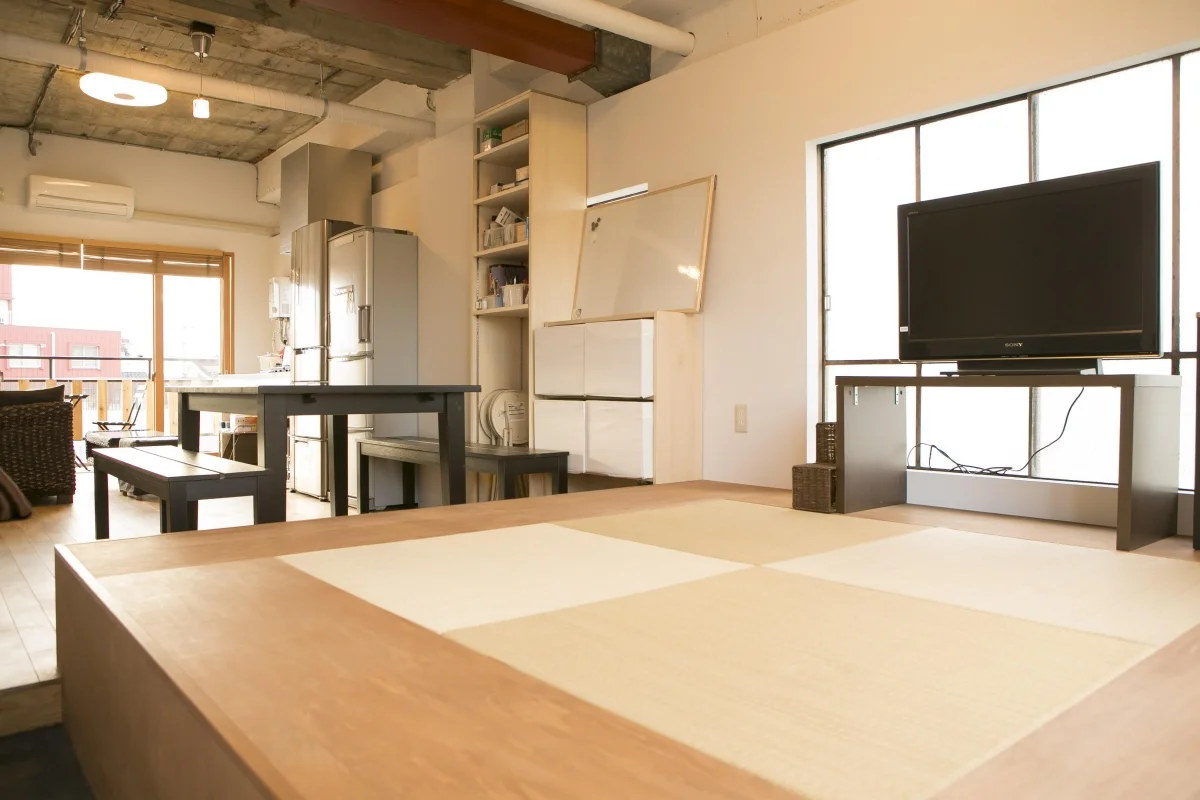
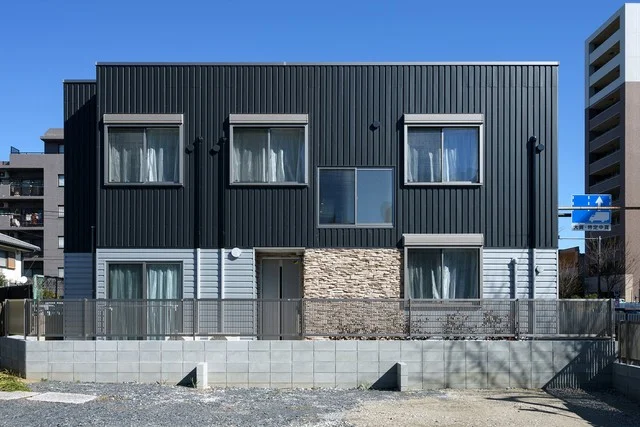
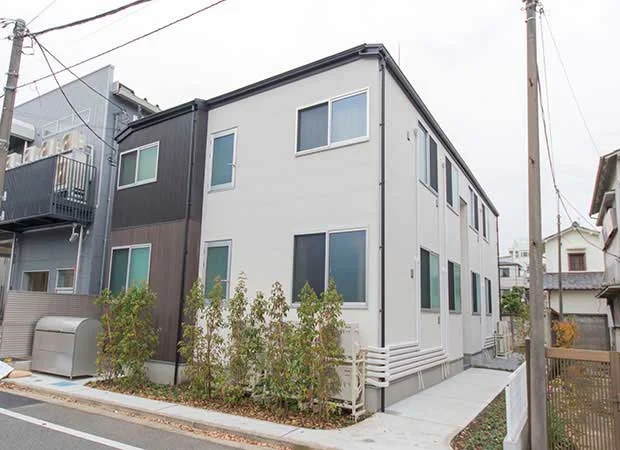
Share houses in the Ikebukuro area range from larger properties converted from monthly apartment buildings to small-to-medium-sized homes and apartments. Many of the renovated private homes feature "Showa-retro" or traditional folk-house aesthetics that blend beautifully with the surrounding neighborhood. While the exteriors may be retro, the interiors—especially kitchens and bathrooms—are fully modernized, so you don't have to worry about comfort.
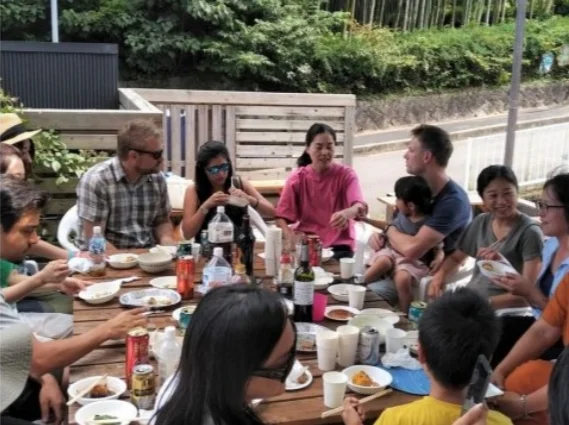
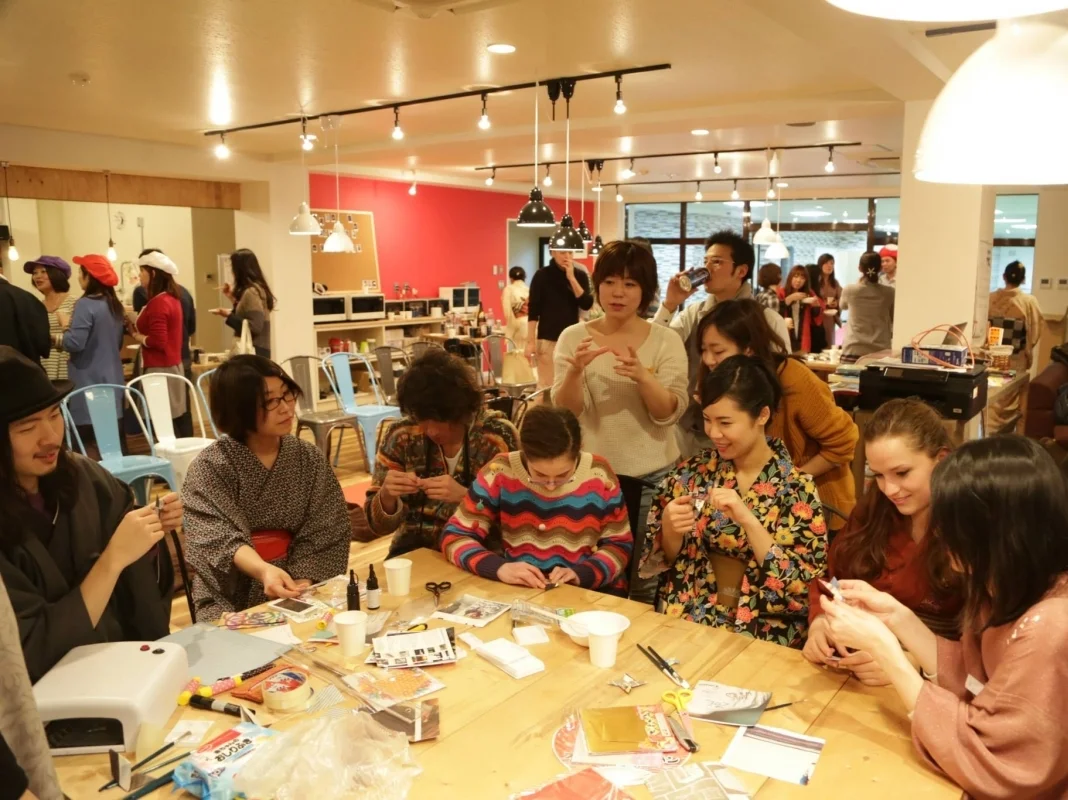
You can find a variety of concepts to suit your lifestyle, including properties with spacious shared lounges converted from former restaurants, houses focused on international exchange, or those centered around shared hobbies, making the search for your new home an exciting experience.
A Highly Convenient City Offering Diverse Lifestyles in Every Direction
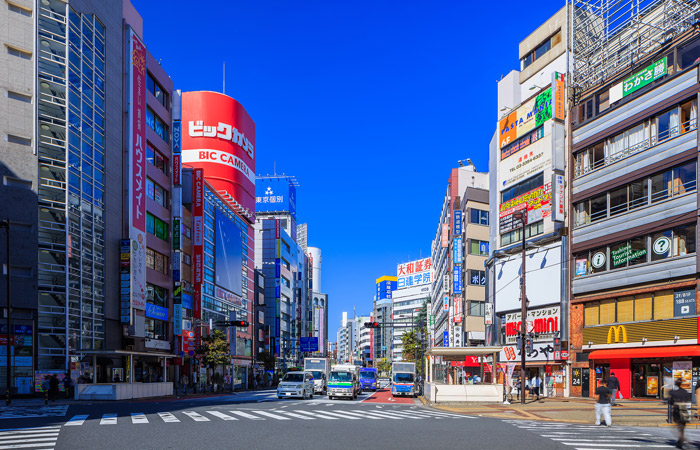
The first railway in the Ikebukuro area opened in 1885 as part of the line between Shinagawa and Akabane (the current Saikyo Line), but there was no station in Ikebukuro at the time, as it was then a rural farming village.
Today, it is hard to imagine that past, as the area is now a dense commercial district.
The station is anchored by two major department stores—Seibu on the East side and Tobu on the West side—along with hotels, underground shopping malls, PARCO, LUMINE, large electronics retailers, and massive bookstores, all contributing to the vibrant energy of a true subcenter.
The quiet, academic atmosphere of the past still lingers in areas further from the station, such as the West and South exits. The Mejiro area, in particular, offers a much more relaxed, peaceful vibe compared to the station surroundings. There are plenty of supermarkets, making it ideal for those who prefer to cook at home. Note that the North Exit is a well-known nightlife district, so it is best to avoid that area late at night.
With its excellent transport links, convenient shopping, and more reasonable rent and service prices compared to Shibuya or Shinjuku, Ikebukuro is a city with endless charm. You are sure to enjoy a fulfilling life in an Ikebukuro share house.
Find a Share House Where You Can Live at Your Own Pace
The name "Ikebukuro" is said to come from a bag-shaped pond that once existed near the current Hotel Metropolitan at the West Exit.
It was a rural area that didn't even have a station when the first railways were built. The station was only established because the original plan to branch the line at Mejiro Station was thwarted by the terrain, forcing the junction to be built in Ikebukuro instead.
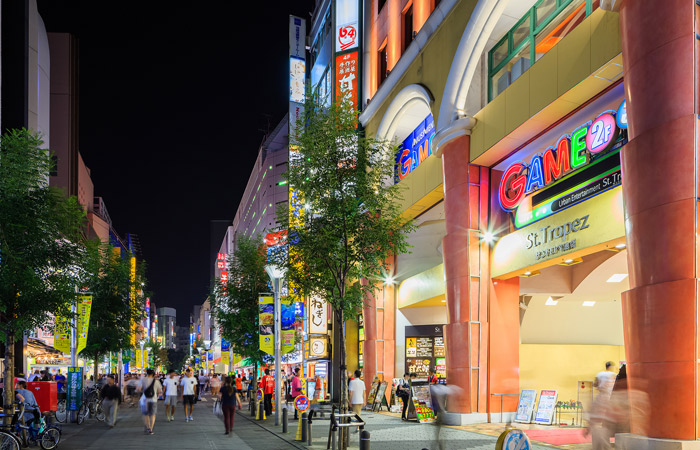
Later, the Tobu Tojo and Seibu Ikebukuro lines opened temporary stations here, intending to extend their lines to the then-bustling districts of Sugamo and Kanda. Those extensions were eventually abandoned, leaving Ikebukuro as the permanent terminal. While it was once an educational district, Ikebukuro began to flourish as a commercial hub in the early Showa era with the opening of its department stores. In recent years, the area near Sunshine City has become a major center for anime and subculture, rivaling Akihabara and Nakano, and attracting visitors from all over the world.
Because Ikebukuro was not as densely populated as Shibuya or Shinjuku in the past, it is a great place for those who prefer a more independent lifestyle without the pressure of intense local social ties. Why not find your own rhythm of life in an Ikebukuro share house?
Share Houses in Ikebukuro