




What is Asakusa like?
Asakusa is a highly popular area among both locals and international visitors, known for retaining the nostalgic atmosphere of Edo-period "shitamachi" (old downtown).
Long before it flourished as the temple town of Senso-ji, the area was already a thriving residential hub. Today, it has evolved into a major tourist destination. While modern conveniences are certainly present, the area’s true charm lies in its retro shopping streets, traditional eateries, and hidden alleyways—a unique, nostalgic character that only a place with such a deep, layered history can offer.
Share houses in the Asakusa area are relatively rare, so if you are hoping to become a resident of this historic neighborhood, be sure to check our listings frequently.
- Asakusa: A highly accessible city with trains and even water buses
- Find a share house that matches the retro charm of the neighborhood!
- A city that offers both convenient transport and unique Edo culture!
- Experience the atmosphere of a city steeped in history!
Asakusa: A highly accessible city with trains and even water buses
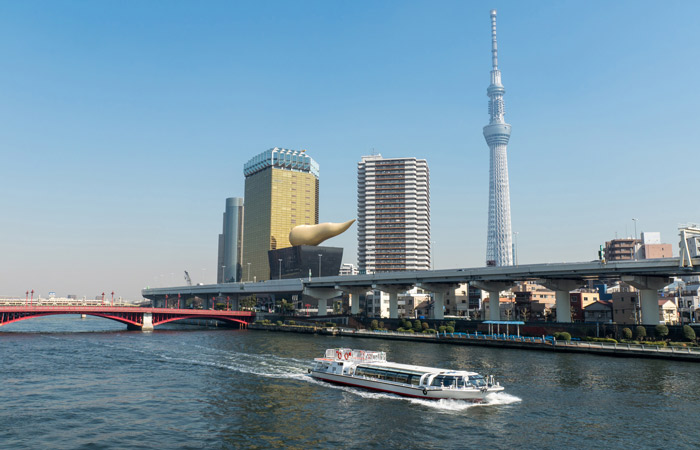
The Asakusa area is located in Taito Ward, in the northeastern part of Tokyo's 23 wards. The Sumida River flows along its eastern side, with the Tokyo Skytree towering on the opposite bank.
Asakusa Station is situated near the Azumabashi Bridge over the Sumida River and is served by the Tokyo Metro Ginza Line, the Toei Asakusa Line, and the Tobu Railway Isesaki Line (Tobu Skytree Line). The Ginza and Isesaki lines terminate here. While these stations are connected by underground walkways, you must go above ground to transfer between the Toei Subway and the Tobu Railway. The Tsukuba Express Asakusa Station shares the name but is located about 600 meters to the northwest, beneath Kokusai-dori Avenue, across from the Kaminarimon Gate and Senso-ji Temple. You can reach Ueno in about 5 minutes via the Ginza Line, Tokyo Station in about 17 minutes by transferring to the Yamanote Line, and Shinjuku in about 27 minutes. Shibuya is accessible in about 30 minutes via the Ginza Line without any transfers. As an old entertainment district, there is no central bus terminal, but several bus routes stop at the Tobu Asakusa Station.
Additionally, from the riverbank near the station, water buses operated by the Tokyo Cruise Ship Co. and the Tokyo Metropolitan Park Association provide service to Hinode Pier and Odaiba.
Find a share house that matches the retro charm of the neighborhood!
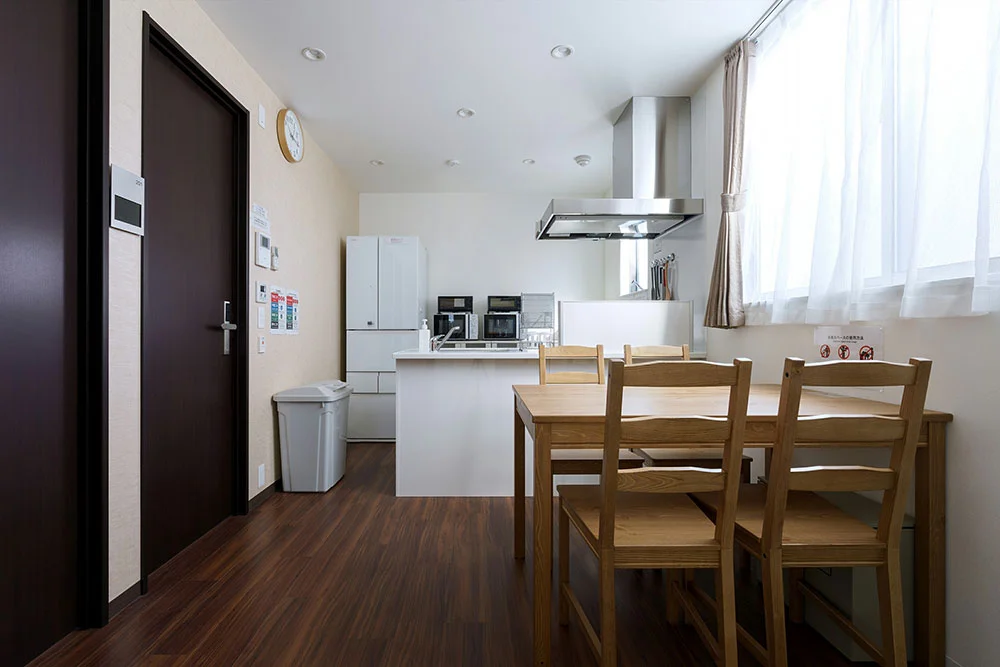
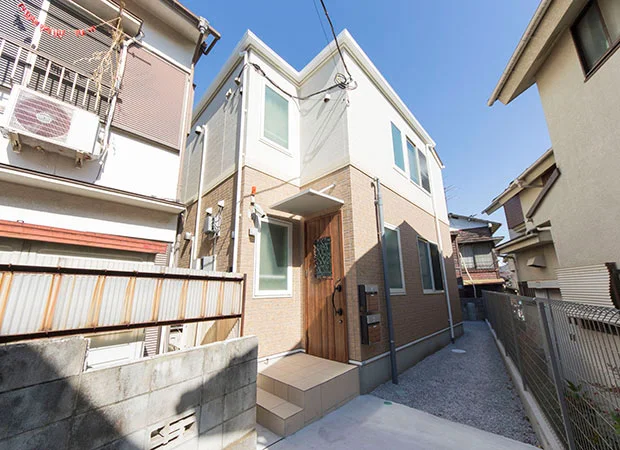
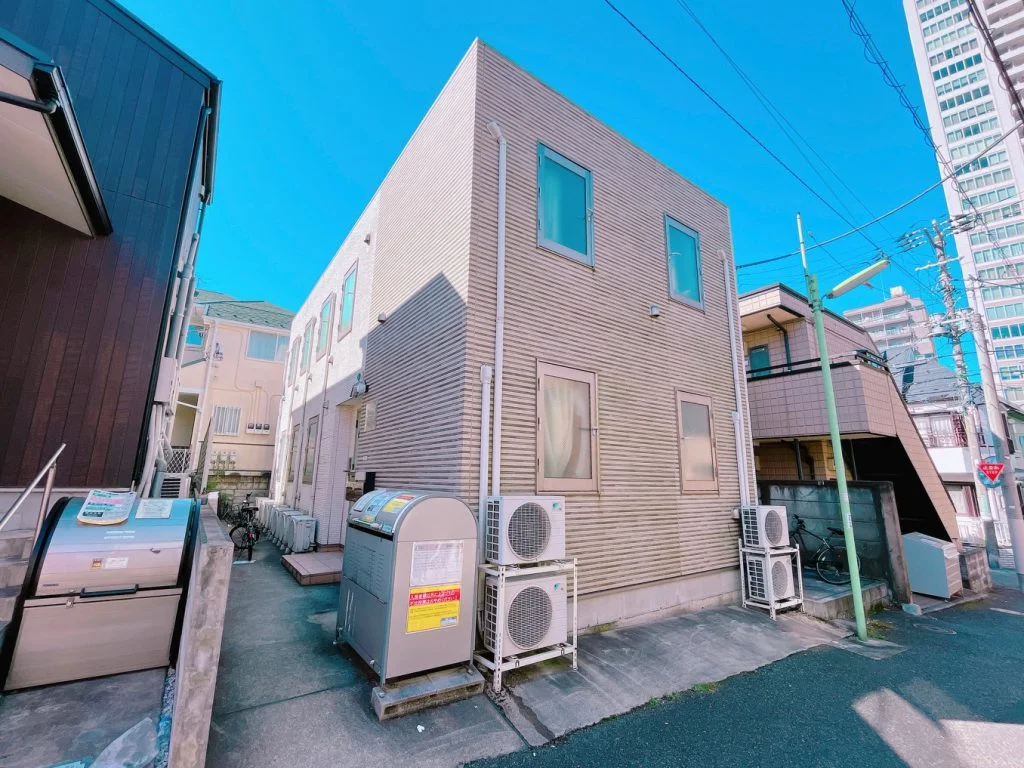
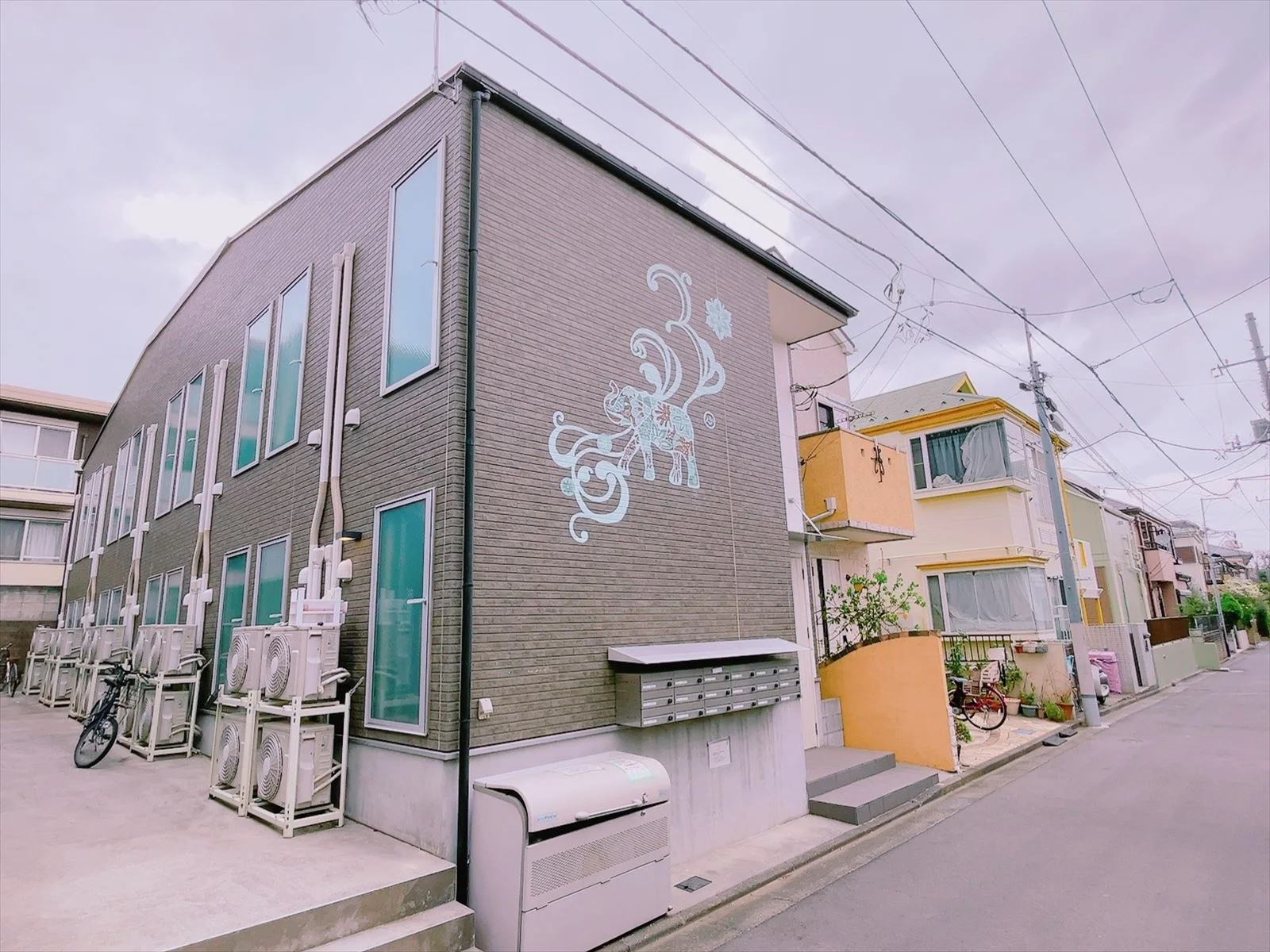
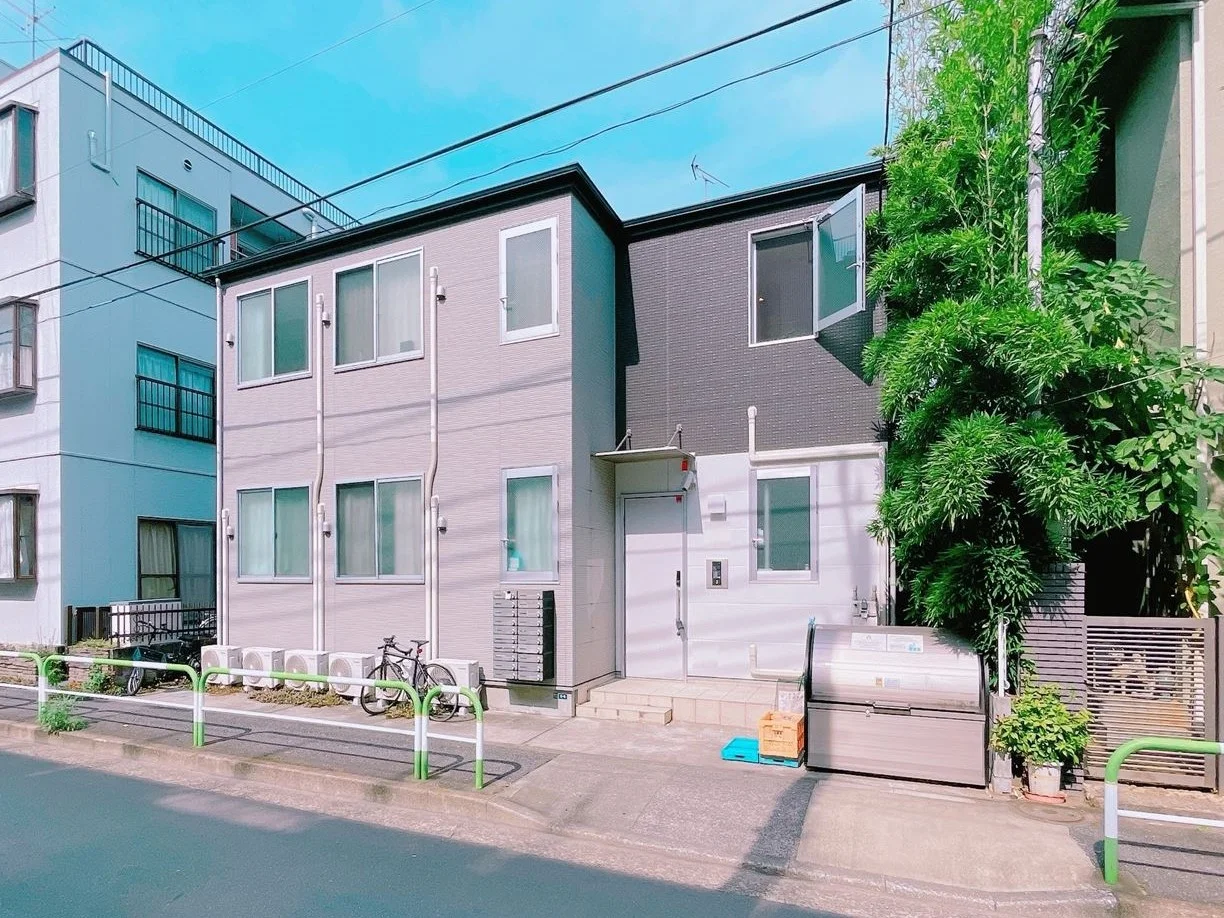
While large-scale share houses exist in the Asakusa area, smaller properties are more common.
Many are renovated private homes, apartments, or former small business offices. You will find many unique properties, often featuring interior designs that reflect the Asakusa aesthetic or communities built around shared hobbies. If you are looking to expand your social circle through specific interests, these types of share houses might be perfect for you. Larger properties are often renovated multi-tenant buildings in shopping districts; while the exteriors may look retro, they blend perfectly with the surrounding streets. The interiors are typically renovated with modern plumbing and facilities designed for convenience, making them ideal for those who enjoy a lively living environment.
Since the number of share houses in Asakusa is limited, checking our website regularly is the best way to secure your ideal room!
A city that offers both convenient transport and unique Edo culture!
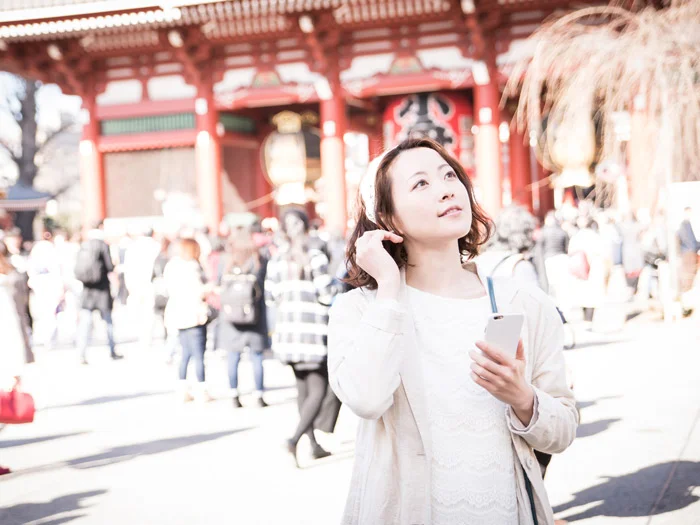
Asakusa is, needless to say, a world-famous tourist destination.
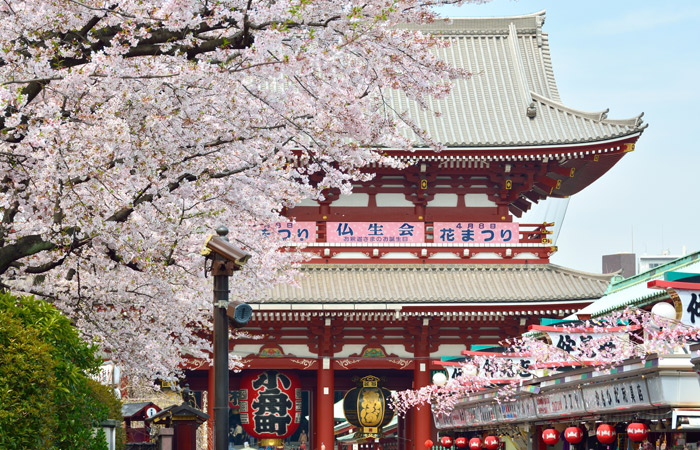
Although Asakusa is a "shitamachi" area, it developed early as a port town because the land was reclaimed before the Edo period and the Sumida River was used for fishing.
There are various theories regarding the origin of the name "Asakusa," but it is generally believed to refer to the "shallow grass" (asa-kusa) that grew in the area compared to the deep grasslands of Musashino. The heart of Asakusa is Senso-ji Temple, founded in 628 AD when two brothers caught a statue of Buddha in their fishing net in the Sumida River. It is considered the oldest temple in Tokyo. It flourished as a temple town during the Edo period, and that vibrancy continues today. Because it has been inhabited for so long, you will find a mix of traditional shopping streets and modern supermarkets, making daily life very convenient. While it is a highly accessible and livable area, it can be crowded with tourists throughout the year.
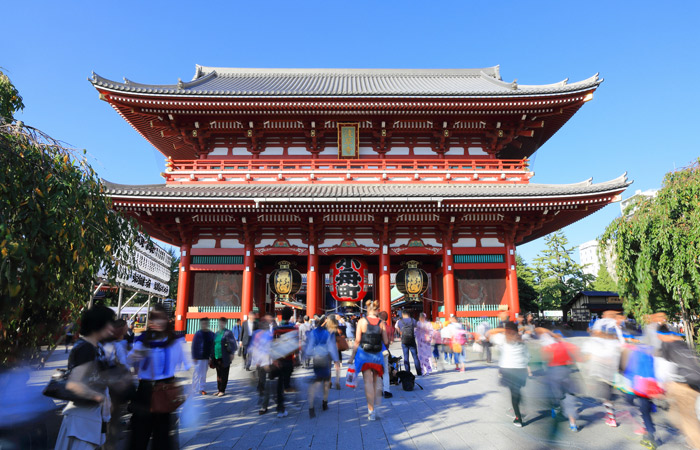
However, the surrounding residential areas are relatively quiet. If you want to enjoy the retro atmosphere without the constant bustle, look for a share house a little further from the station.
Experience the atmosphere of a city steeped in history!
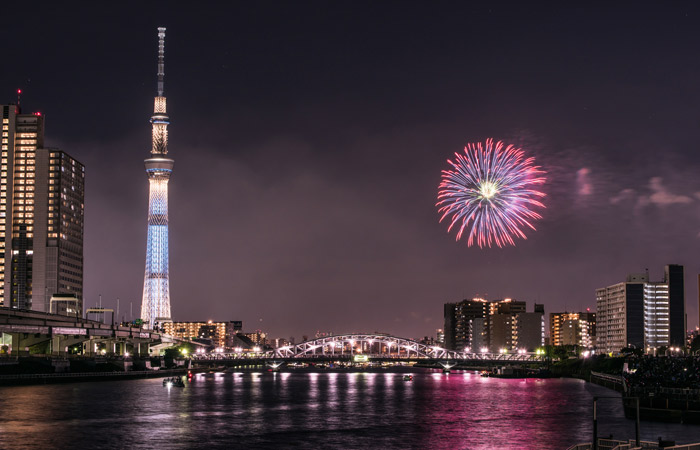
The Asakusa area has thrived as a center of Tokyo since before the Edo period.
During the Edo period, the "Asakusa Okura" (rice granaries) were established in Kuramae to store the rice that served as the standard for tax payments. As this was essentially the "national treasury" of the time, many samurai were stationed nearby to guard it. Merchants who grew wealthy from the rice trade also frequented the area, leading to further prosperity and development. By the mid-Edo period, it was the most densely populated area in Edo, serving as a hub for both people and goods. However, during the period of high economic growth, the rise of television led to the closure of many movie theaters, which had been the core of the local commercial scene, causing a temporary decline.
The area eventually regained its vitality as media began to highlight events like the Sumida River Fireworks Festival, the retro streetscapes, and the traditional charm of the Nakamise shopping street. Today, it has been revived as a bustling city filled with tourists day and night. The streets, with their retro atmosphere and traditional eateries, are packed with history and charm that you might not even realize is there.
We invite you to experience the charm of Asakusa—a city that has flourished since ancient times and successfully reinvented itself—by living in one of our share houses!
Share houses in Asakusa