




The Evolution of Tokyo Share Houses: Adapting to Diverse Lifestyles
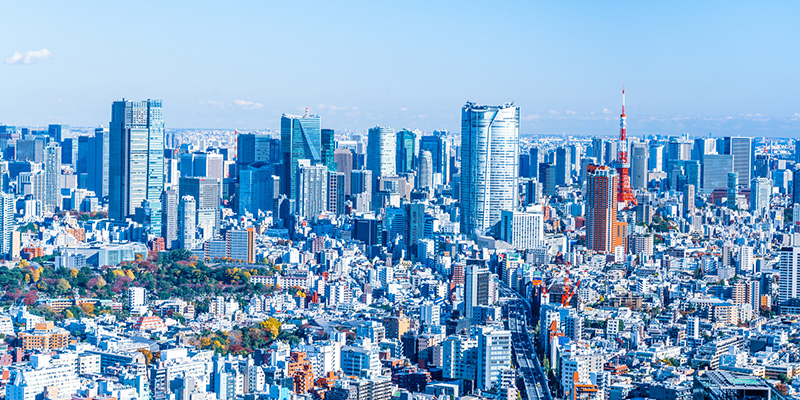
As we enter 2025, share houses in Tokyo have evolved far beyond the image of "budget housing," establishing themselves as an attractive option for those seeking diverse lifestyles. Over the past few years, a combination of shifting work styles, a growing desire for human connection, and rising housing costs has further accelerated demand.
In the past, share houses were generally seen as temporary housing for international students or young people new to the city, or as a "trial" step before living alone. Today, that image has been completely redefined, appealing to a much broader demographic. With the rise of remote work and greater flexibility in where we live, there is an increased demand not only for affordable housing with easy access to the city center but also for spaces that function as home offices. Furthermore, the prevalence of social media has reduced the hesitation toward interacting with strangers, with more people actively seeking new encounters and inspiration, which has further fueled the popularity of share houses.
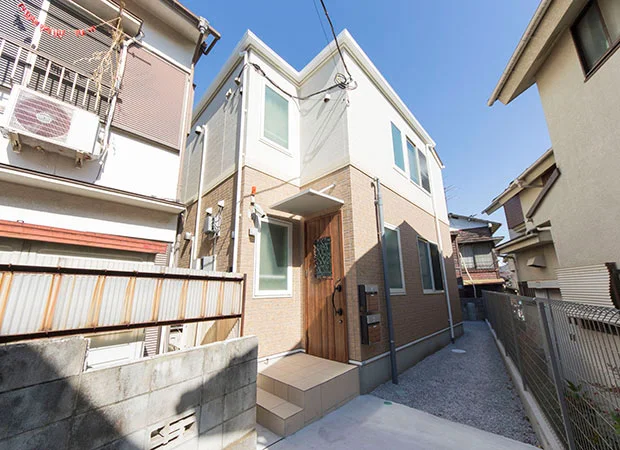
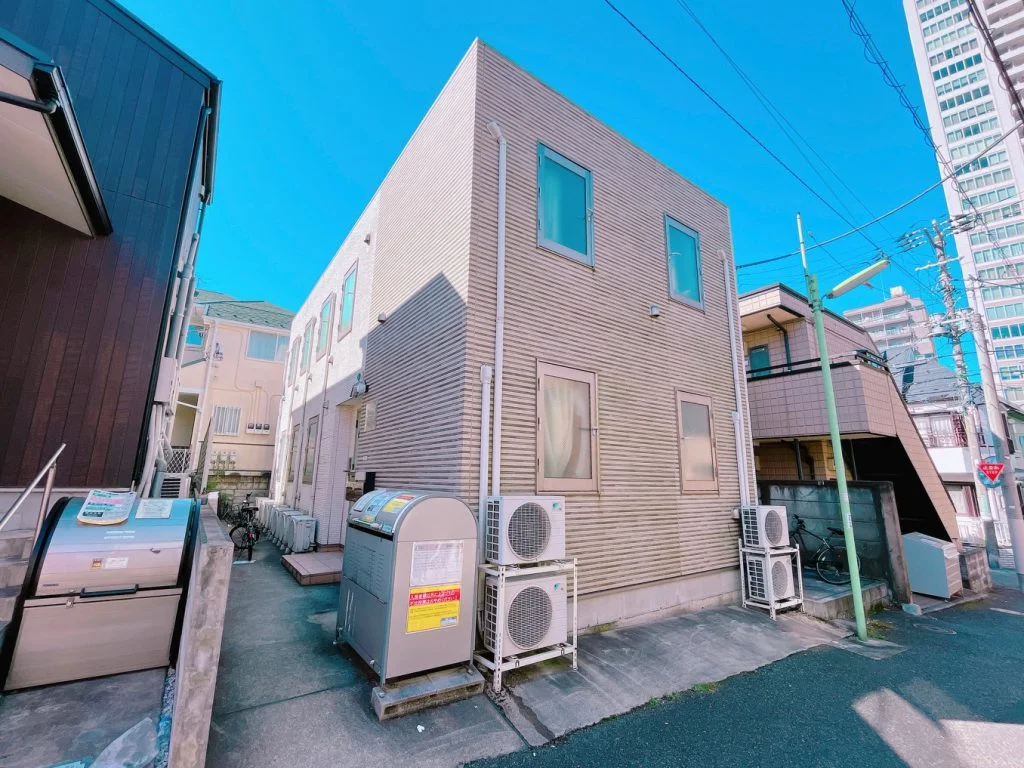
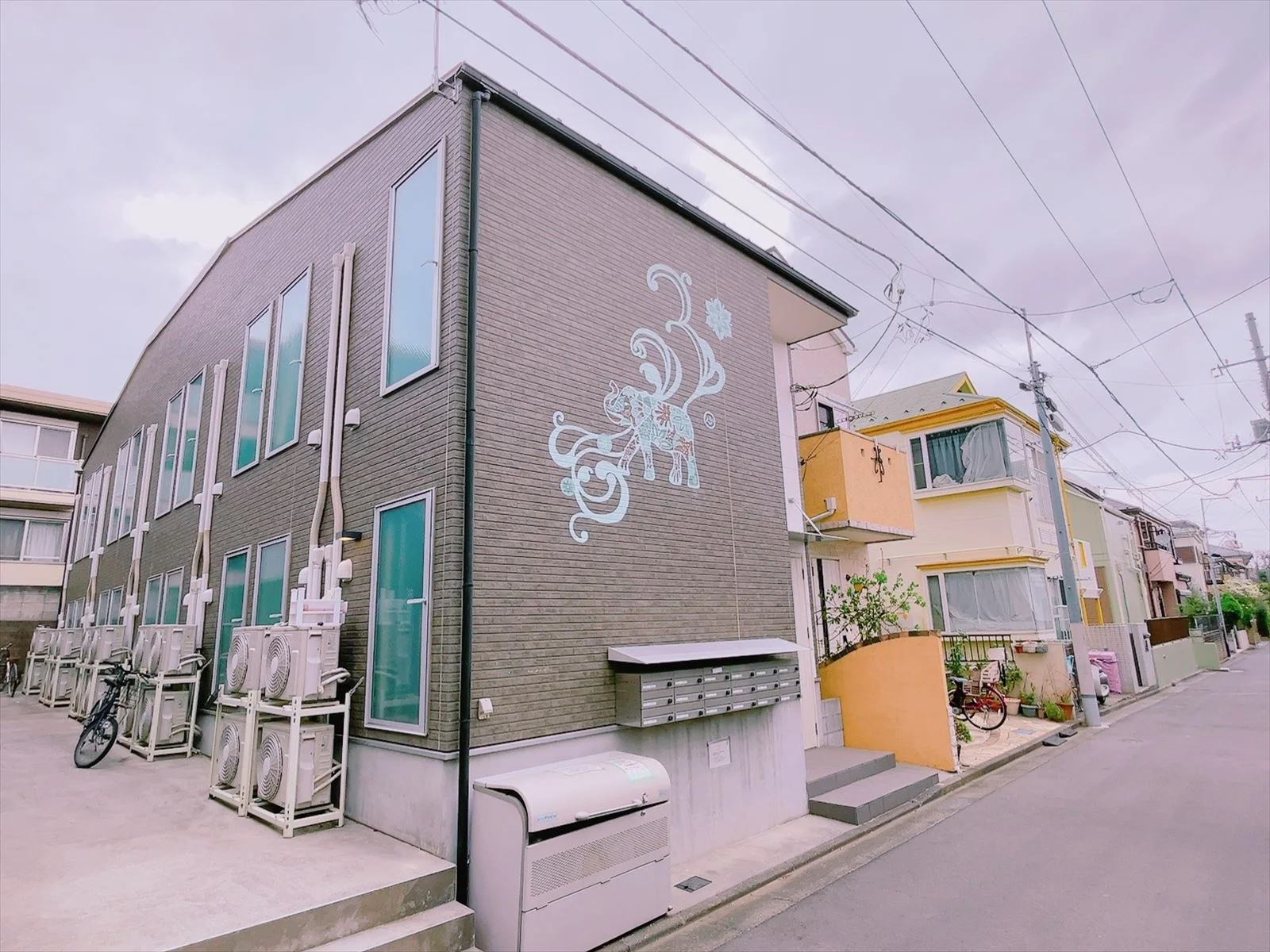
As of 2025, the Tokyo share house market is highly diverse. Options have expanded dramatically, ranging from the size of private rooms and the quality of facilities to the atmosphere of common areas, the age and nationality of residents, and even properties built around specific "themes." For example, there are many concept-driven properties tailored to residents' hobbies and values, such as share houses with well-equipped workspaces for creators, fitness-focused houses for health-conscious individuals, or international exchange-style houses for language learning. This diversity is truly symbolic of the current state of share houses in Tokyo.
Management companies have also diversified, ranging from large corporations to startups offering unique concepts, leading to improved service quality. Environments are being developed to ensure a comfortable and secure life, with better post-move-in support, organized community events, and enhanced security. This evolution has elevated the share house from a temporary residence to a base for a longer, more enriched life.
The Diverse Appeal of Tokyo Share Houses by Area
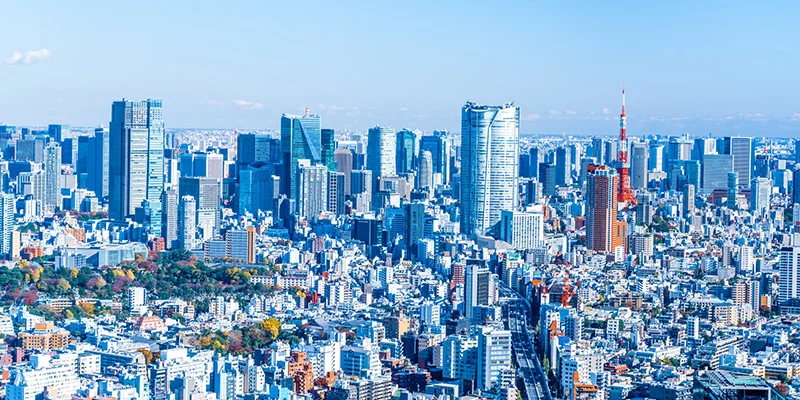
When choosing a share house in Tokyo, location is a crucial factor. Characteristics such as accessibility, convenience, neighborhood atmosphere, and rent levels significantly impact a resident's lifestyle. In 2025, the following areas remain particularly popular and densely populated with share houses.
First, areas around major terminal stations along the Yamanote Line, such as Shibuya, Shinjuku, and Ikebukuro, continue to be highly sought after. The appeal of these areas lies in their unparalleled accessibility and convenience. They are perfect hubs for work and play, making it easy to get anywhere in the city. With an abundance of commercial facilities, everything needed for daily life is within reach, making them popular among busy professionals and students. While rents are higher, these areas tend to offer higher-quality share houses and properties with robust security.
On the other hand, areas like Shimokitazawa, Kichijoji, and Koenji are popular among those seeking a more unique lifestyle. Shimokitazawa, a mecca of subculture filled with vintage clothing stores, cafes, and live music venues, is favored by creative youth. Kichijoji, a perennial favorite in "most desirable places to live" rankings, offers the lush nature of Inokashira Park alongside excellent commercial amenities—perfect for those who want a calm environment while maintaining easy access to the city center. Koenji is also known for its distinct vintage fashion and music scenes, attracting individualistic residents. Share houses in these areas often feature unique designs and place a strong emphasis on building a community among residents.
Areas such as Meidaimae, Nakano, and Kita-Senju are popular among students and international students. Meidaimae is close to universities, offering many reasonable, lively properties for students. Nakano is a hub of subculture, represented by "Nakano Broadway," yet offers a great balance of easy access to Shinjuku and a comfortable living environment. Kita-Senju has seen significant redevelopment, with an increase in trendy cafes and shops, yet remains popular among those looking to keep initial costs down due to its relatively affordable rent. Its multiple train lines also provide excellent access to the city center.
Beyond these areas, Tokyo is dotted with share houses of various charms, allowing residents to freely choose according to their lifestyle and desired environment. Management companies are actively developing properties that leverage the specific characteristics of each area, further accelerating the diversification of share houses across the city.
Key Points for Choosing a Share House and the 2025 Outlook
While priorities vary when choosing a share house in Tokyo, there are several common points to keep in mind. First, location and accessibility are paramount. Consider your commute time to work or school, the distance to the nearest station, and local convenience (supermarkets, convenience stores, restaurants, etc.). Next, consider rent and initial costs. While share houses generally have lower initial costs, it is important to confirm the total amount, including security deposits and first-month rent, in advance.
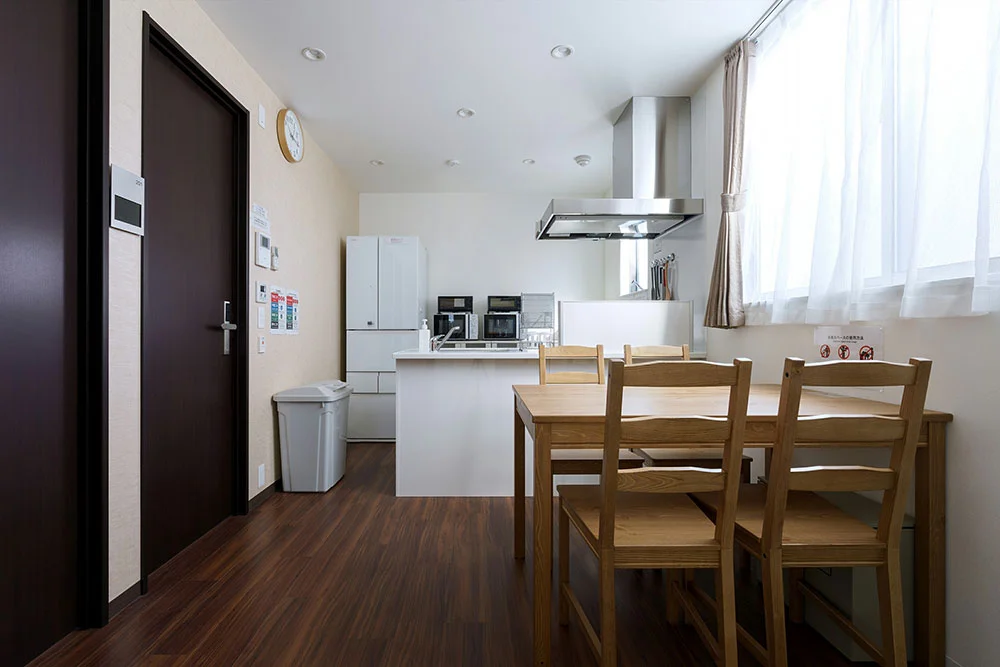
An essential element unique to share houses is the quality of common areas and house rules. Check if shared spaces like the living room, kitchen, and bathroom are kept clean, if they are spacious and well-equipped, and if there are clear rules regarding usage hours and cleaning. To prevent conflicts, it is also important to ensure there are well-defined rules for daily life, such as trash disposal and noise control.
Furthermore, the demographics and atmosphere of the residents are worth emphasizing. Choosing a property where people with similar values gather—such as women-only houses, international exchange houses, or those with specific themes (creative, IT, etc.)—can lead to a more fulfilling communal life. If you have the chance to speak with other residents during a viewing, don't hesitate to communicate with them. The management company's support system is another point to verify. Knowing how involved the management is in emergency situations or mediating conflicts between residents is vital for peace of mind.
The Tokyo share house market is expected to continue evolving beyond 2025. We may see an increase in "smart share houses" that utilize technology, such as smart locks and IoT appliances. Additionally, due to the aging population and growing interest in multi-generational interaction, we may see the emergence of properties targeting new demographics, such as share houses for seniors or "parenting share houses" where parents can support one another.
With a growing awareness of sustainability, share houses with eco-friendly facilities and stronger ties to local communities will also likely gain attention. In a city as ever-changing as Tokyo, share houses will undoubtedly continue to grow in presence as a flexible housing option that meets diverse needs.