






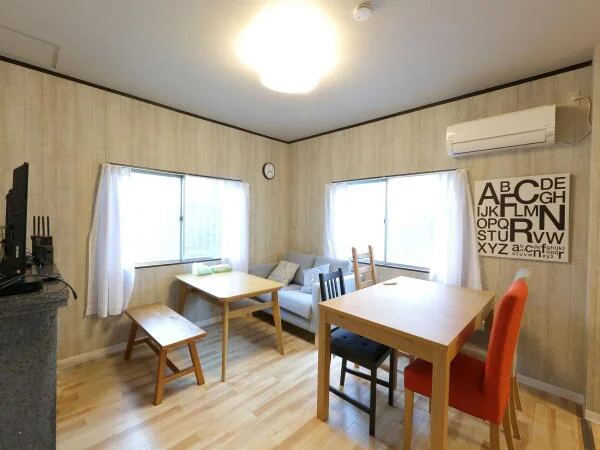

Are relationships in a share house really a hassle?
While many people are interested in share house living, they often worry, "Will I get tired of seeing strangers every day?" or "Won't the social dynamics be a hassle?"
When living alone, your home is essentially your own private space. In a share house, however, you share facilities like the kitchen, living room, and washroom, which means you will inevitably cross paths with other residents.
Even so, that doesn't mean you are required to do everything together with your housemates.
The actual social dynamics and frequency of interaction vary significantly from one share house to another.
The important thing is not to assume that "share house living equals living in constant harmony with everyone," but rather to consider what level of social interaction you are looking for and choose a property that matches your needs.
In this article, we will explain the reality of relationships in share houses, the typical sense of distance between residents, and tips for avoiding trouble in communal living.
How much interaction is there in a share house?
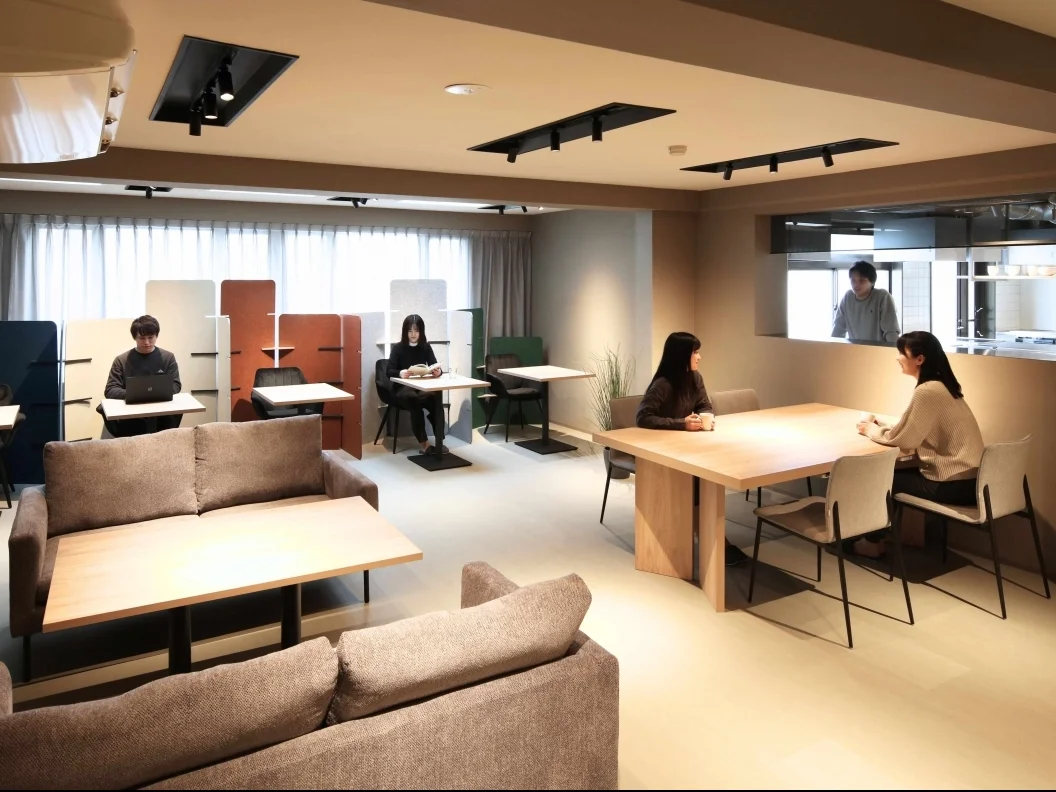
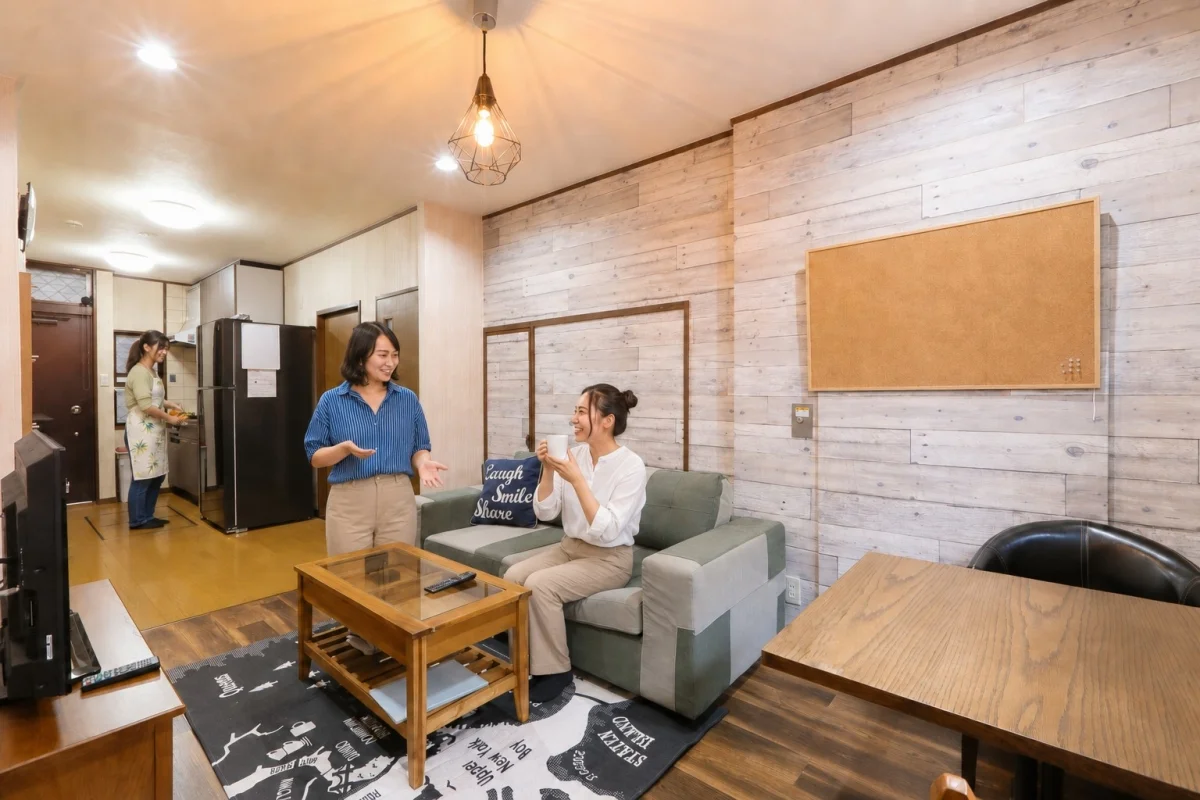
When people think of share houses, they often imagine residents gathering in a large living room to eat together or going out as a group on weekends.
Of course, there are share houses where you can enjoy that kind of social life.
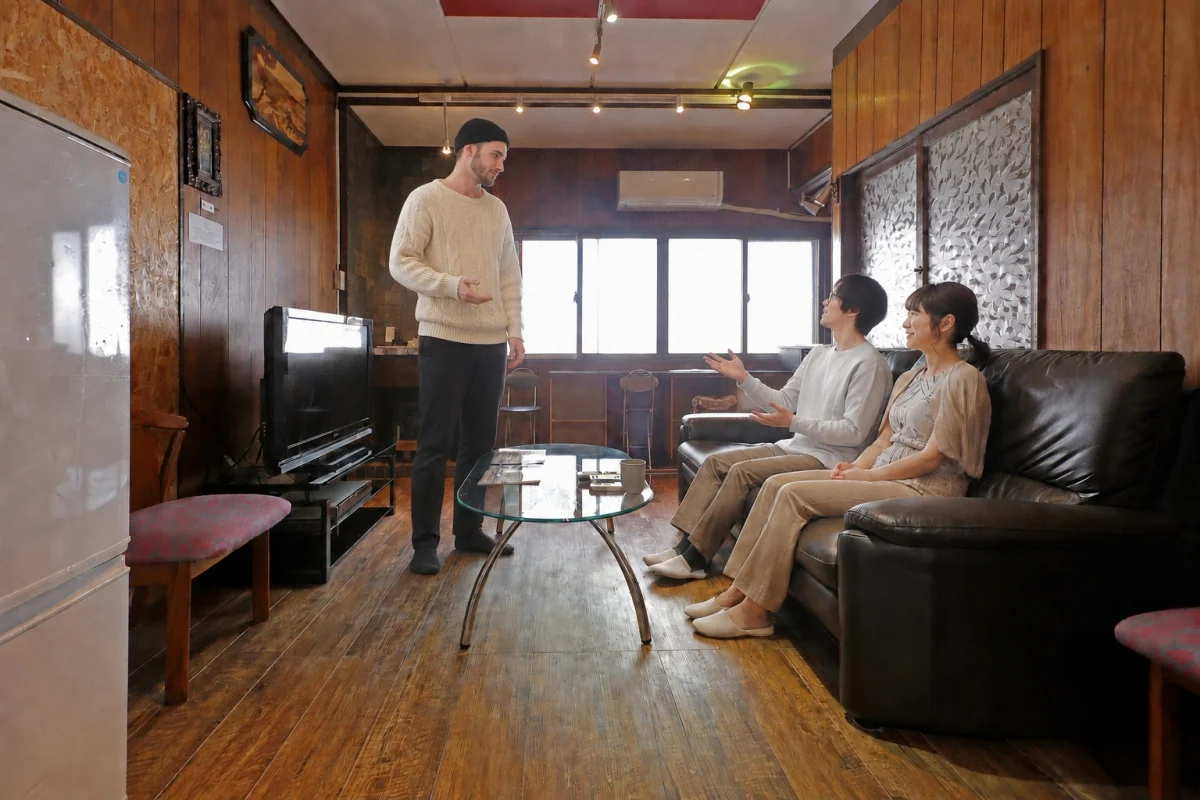
On the other hand, there are also properties where everyone leads their own independent lives, and interaction is limited to a simple greeting when passing through common areas.
Especially in share houses with private rooms, you can retreat to your own space, making it easy to adopt a lifestyle where you "go to the living room when you want to socialize" and "spend time in your room when you're tired."
The level of interaction depends on the size of the property, its concept, the layout of common areas, and the demographic of the residents.
Therefore, when looking for a property, don't just focus on the facilities and rent; pay attention to what kind of lifestyle the share house is designed for.
Can I really secure enough time to myself?
Just as important as social relationships is the question: "Can I be alone when I want to be?"
In a share house with private rooms, you have your own space, so you can secure time to yourself.
You are not obligated to spend time with other residents in the living room every time you return from work or school.
However, since you share the kitchen, washroom, shower, and toilet, it is not exactly the same as living completely alone.
If you want to enjoy socializing but also value your own time, it is important to check for the availability of private rooms, the distance from common areas, and the number of residents.
If you have the chance to view the property, check the private room with the perspective of, "Would I feel relaxed if I spent time alone here?"
What kind of trouble is common in share house relationships?
In any communal living situation, residents will not have identical mindsets or lifestyles.
For example, regarding living noise, some people might think, "This level is fine," while others might feel, "I want it to be quiet at night."
Differences of opinion in share houses often arise from daily life issues such as talking or noise at night, how to use shared facilities like the kitchen or washroom, not cleaning up after oneself, cleaning common areas, sharing the refrigerator, or having friends and partners visit or stay over.
However, rather than thinking these problems "only happen because it's a share house," it is better to view them as differences in lifestyle habits becoming more apparent when multiple people share the same space.
That is precisely why it is important to have clear rules for communal living.
"Rules" are key to avoiding trouble
To reduce relationship-related issues, you should check the house rules of the property.
For example, if there are established standards for communal living—such as "no loud noises at night," "personal items in common areas must be kept in designated spots," "clean up cooking utensils after use," and "rules for overnight guests"—it becomes much easier to minimize problems caused by "everyone having a different definition of common sense."
Rules might sound restrictive, but in reality, they also protect relationships by eliminating the need for residents to directly call each other out.
Be sure to ask about the house rules during your viewing or inquiry.
It's okay if you don't force yourself to be friends
Some people might feel they "have to get along with other residents" once they move into a share house.
However, there is no need to force yourself to make friends.
Of course, if you find people you get along with, eating together or going out is one of the joys of share house living.
On the other hand, it is perfectly fine to have a relationship where you value basic communication and greetings without intruding too much into each other's lives.
Simple greetings like "Good morning" or "Good work today," and small considerations when using shared facilities, go a long way in making communal living much smoother.
Rather than trying to create an ideal relationship from the start, it is better to naturally find a distance that feels right for you.
Check if you can consult the management company when in trouble
If you try to resolve relationship issues only between residents, it can sometimes make things worse.
This is where the management structure of the share house becomes important.
If someone is not following the rules, noise persists, or you are having trouble with how common areas are being used, being able to consult the operating company or manager gives you options other than confronting the resident directly.
When choosing a property, it is reassuring to check not only the facilities but also "who to contact when in trouble" and "how the management company handles issues."
Consider your preferred "level of interaction" before choosing
When choosing a share house, it's easy to focus on rent, location, and facilities, but if you are concerned about relationships, we recommend thinking about "how much interaction you want" first.
For those who want active interaction: Properties with large living rooms, social spaces, and organized events.
For those who want moderate interaction: Properties that offer private rooms while still having a shared living room.
For those who want to prioritize their own time as much as possible: Properties that are mostly private rooms with fewer residents.
By starting with your preferences, you can narrow down your options.
Instead of just asking "am I good or bad at socializing," the key to finding the right share house is to think about what kind of time you want to spend at home.
5 points to check during a viewing
If you are anxious about social relationships, check these 5 points during your viewing or inquiry:
① How many people currently live there?
② The age range and gender ratio of residents.
③ How common spaces like the living room are used.
④ House rules regarding daily life, guests, and noise.
⑤ How the management company handles trouble.
If possible, we also recommend seeing the atmosphere of the common areas in person.
If you can get a sense of the "vibe of daily life" that you can't see in photos, you will be less likely to experience a gap between your expectations and reality after moving in.
Summary | Choose a share house with a comfortable sense of distance
Relationships in a share house do not necessarily mean you have to be "always together" or "forced to socialize."
There are properties with plenty of interaction, and there are properties where everyone values their own independent lives.
The important thing is to understand how much interaction you are looking for and choose a property that matches that lifestyle.
Also, in communal living, it is important to maintain basic greetings, be considerate, and follow house rules. Make sure to check the management structure so you know who to consult if a problem arises before you move in.
Don't rule out share houses just because you think "relationships seem like a hassle." Instead, compare the number of residents, the atmosphere of the property, and the style of interaction to find a share house where you can live at a distance that feels comfortable for you.